

Explosion at Ali Al-Taher: Hezbollah’s Strategic Dilemma
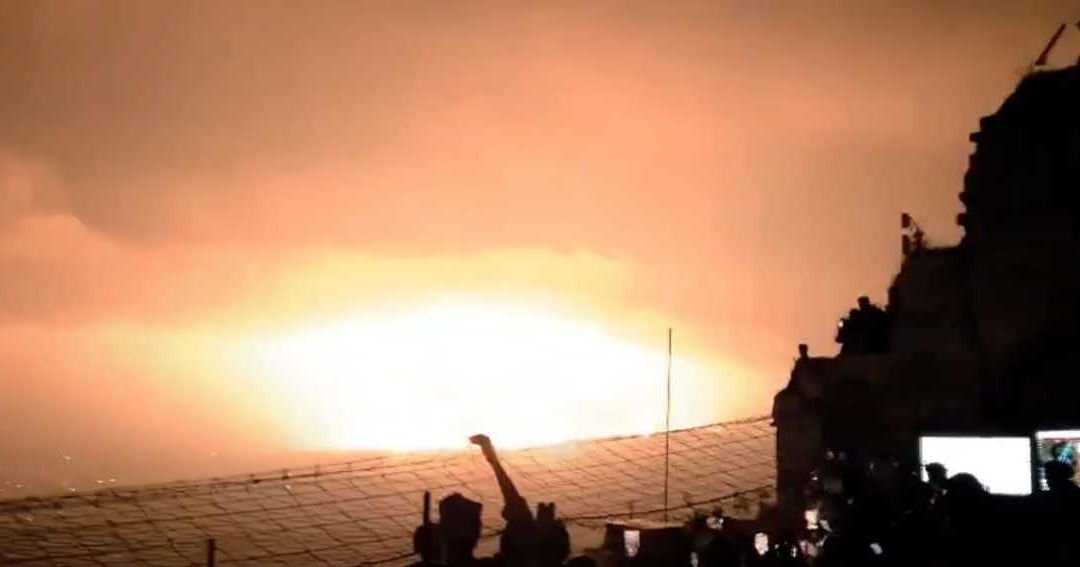
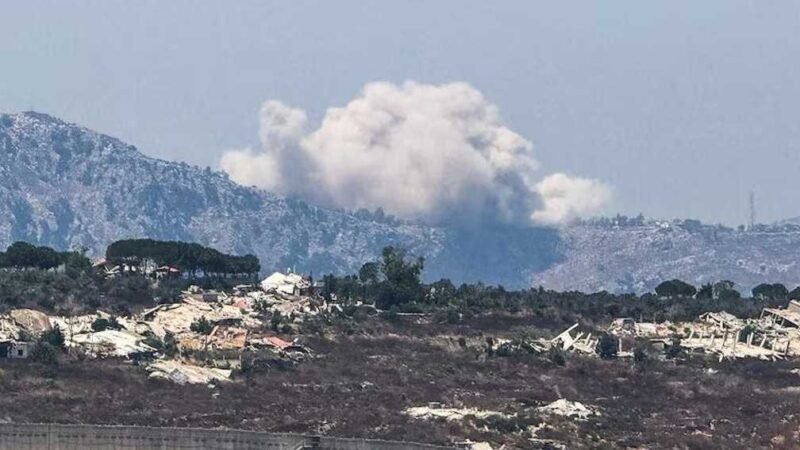
A significant military development has occurred at the Ali Al-Taher site in southern Lebanon, where the detonation of approximately 1,100 tons of explosives has sent shockwaves through the region. The incident, which was described as a military operation targeting tunnel infrastructure associated with Hezbollah, has prompted intense scrutiny regarding the tactical landscape of southern Lebanon and the broader security posture of the group.
The scale of the explosion, which was reportedly felt by residents across southern Lebanese villages and towns, has reignited debates concerning the current state of regional stability. Local observers and analysts have characterized the event as a major incident, noting its physical and psychological impact on the border population. For those living in the immediate vicinity of the Ali Al-Taher site, the detonation was more than a tactical military action; it was an event that underscored the persistent fragility of the area, as the shockwaves were felt directly in homes and infrastructure throughout the surrounding communities.
The central question now facing observers is whether this event represents a tactical setback for Hezbollah or if it signifies a broader shift in the group’s strategic direction. As the dust settles at the Ali Al-Taher site, the focus remains on how such large-scale military actions affect the group’s ability to maintain its defensive and offensive capabilities in the region. The destruction of tunnel infrastructure is a significant blow to the operational capacity that has long been a focal point of southern Lebanese security concerns.
From a regional perspective, the incident serves as a stark reminder of the latent volatility along the border regions of Lebanon. The use of such a substantial quantity of explosives in a single operation highlights the high stakes of the ongoing security dynamic between regional actors. While the immediate consequences center on the destruction of specific infrastructure, the political ripples are likely to be felt as Hezbollah recalibrates its regional posture. Analysts are now closely monitoring whether the group will adopt a stance of retraction or attempt a new, high-stakes gamble in response to the pressure exerted by this event.
Ultimately, the incident at Ali Al-Taher is a vivid illustration of the precarious nature of security in the region. As the situation remains fluid, the impact of this operation on the ground in southern Lebanon will likely continue to influence the discourse regarding future military conduct and strategic restraint. The event has effectively drawn a line in the shifting sands of the current security environment, leaving regional stakeholders to assess the implications of a weakened infrastructure against the backdrop of an intensifying regional rivalry. For now, the residents of the south, who bore the immediate burden of the seismic event, remain at the center of a complex and potentially dangerous geopolitical standoff.