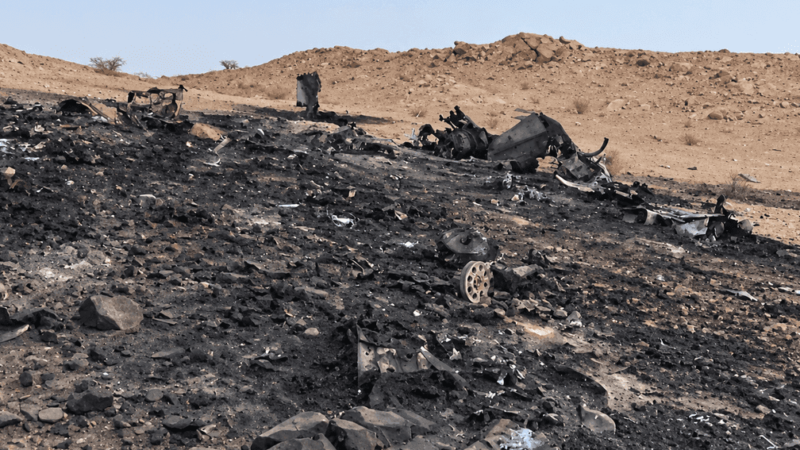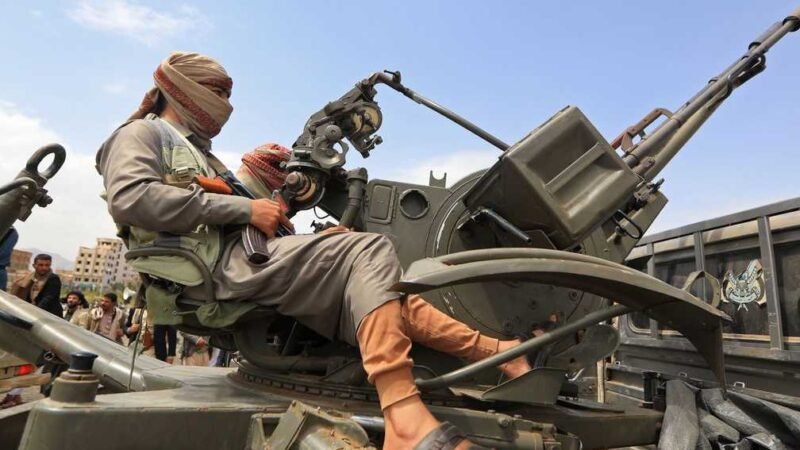


Escaping Conflict: Yemeni Refugees Seek Safety in Djibouti
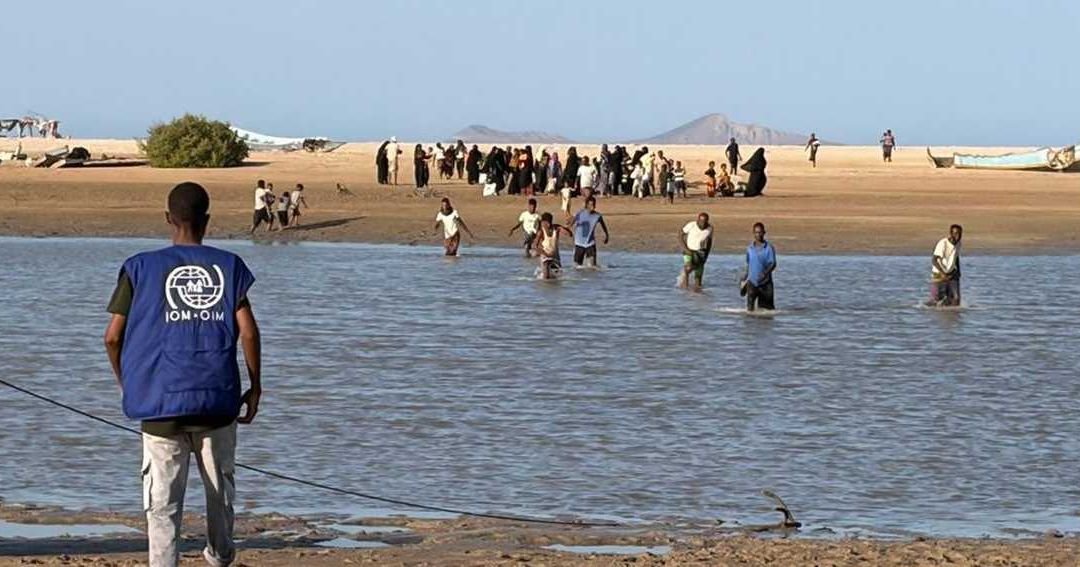
A humanitarian crisis continues to unfold along the western coast of Yemen, as escalating military clashes force thousands of civilians to abandon their homes in search of safety. Among those displaced is Wahida Mohammed Ali, who recently reached the shores of Djibouti after a perilous, day-long sea crossing, marking the end of a harrowing flight from the ongoing hostilities in her homeland.
The exodus highlights the deteriorating conditions for those caught in the crossfire of Yemen’s protracted conflict. Beyond the immediate threat posed by active combat, families are increasingly driven to flee due to critical shortages of essential supplies. The scarcity of food and clean water, compounded by the breakdown of basic infrastructure, has rendered daily life unsustainable for many residents in the conflict-affected western regions.
For many, the decision to cross the Bab el-Mandeb Strait to Djibouti is a measure of last resort. The journey, often undertaken in small, overcrowded vessels, is fraught with significant risks. Maritime conditions in the strait can be treacherous, and the limited availability of seaworthy transport often forces refugees into vulnerable positions. Despite these dangers, the pressure of persistent fighting and the inability to access life-sustaining resources have made the migration route a primary escape channel for those desperate to flee the frontlines.
Upon arrival in Djibouti, refugees are often exhausted and in need of urgent assistance. The influx of people fleeing the Yemeni coast places additional strain on local resources and necessitates coordinated support from international humanitarian organizations to address the immediate needs of the displaced population, including shelter, medical care, and nutritional aid.
The situation remains volatile as the fighting continues to shift and intensify, leading to further displacement. The accounts of those arriving in Djibouti serve as a stark reminder of the human cost of the conflict in Yemen. As the security situation persists, the humanitarian community faces ongoing challenges in providing aid to both those displaced abroad and the many thousands who remain trapped within the country’s borders, facing similar risks to their lives and livelihoods.
As the crisis enters a new phase of instability, the plight of civilians like Wahida Mohammed Ali underscores the broader impact of the war on Yemen’s population. The combination of active combat and severe socioeconomic collapse remains the primary driver of this ongoing movement of people across the Red Sea, reflecting a desperate search for security in an increasingly unstable regional environment.