

US Military to Redeploy MQ-9 Reaper Drones to Middle East
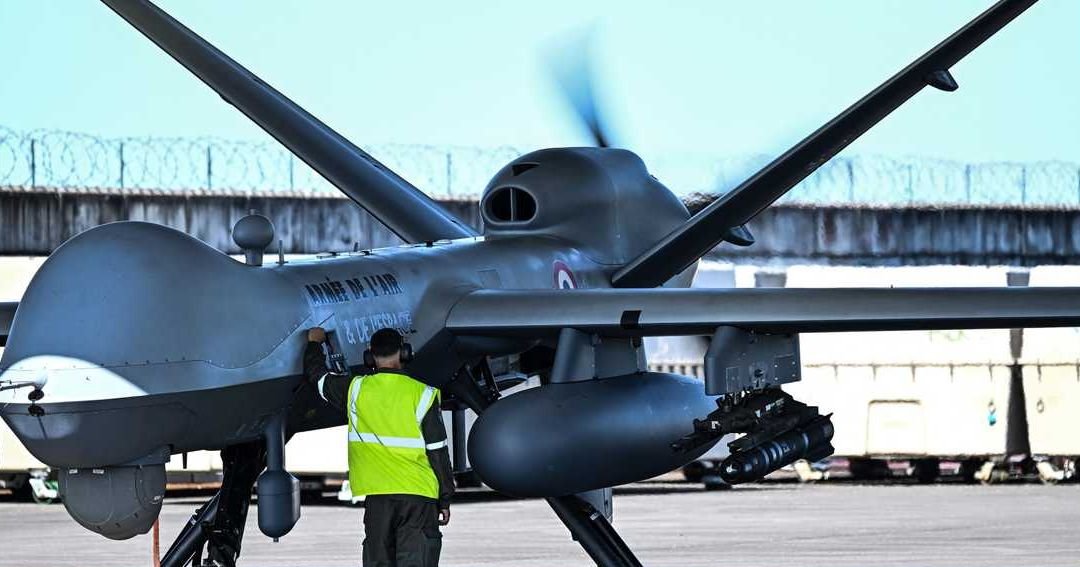
The United States military is preparing to reallocate its fleet of MQ-9 Reaper unmanned aerial vehicles (UAVs) currently stationed in Africa, with a significant portion of these assets slated for redeployment to the Middle East. This strategic adjustment comes as the Pentagon continues to refine its global force posture in response to shifting regional security requirements.
According to reports detailing the planned movements, the decision follows a strategic review of operational needs. The MQ-9 Reaper, a high-altitude, long-endurance drone capable of both intelligence, surveillance, and reconnaissance (ISR) missions and precision strikes, is considered a critical asset in managing regional instability and monitoring security threats. By repositioning these aircraft, the U.S. military aims to enhance its aerial monitoring capabilities in key theaters of operation where regional tensions remain high.
The Middle East has long been a focal point for the deployment of sophisticated surveillance and strike platforms due to the complex security environment, including ongoing concerns regarding the activities of various armed factions and the security of critical maritime and land transit corridors. The addition of these assets is expected to provide regional commanders with increased flexibility to respond to rapidly changing security scenarios.
This shift in assets forms part of a broader trend of optimizing the U.S. military footprint globally. While the primary focus of the MQ-9 transition centers on the Middle East, a portion of the fleet is also designated for deployment to South America. The move underscores the U.S. government’s intent to prioritize high-priority zones that demand constant, eyes-on-the-ground intelligence capabilities.
For the Middle East, the arrival of these additional Reaper drones will bolster the existing defense infrastructure. The MQ-9 is particularly valued for its ability to operate in contested environments for extended periods, providing deep situational awareness that is essential for both proactive monitoring and tactical operations. Military planners have noted that the versatility of the Reaper platform makes it uniquely suited to address the multifaceted security challenges that characterize the current geopolitical landscape in the region.
While the Pentagon has not disclosed specific timelines for the arrival of the drones in their new locations, the transfer process is expected to be part of an ongoing realignment designed to ensure that combatant commands are adequately equipped to meet national security objectives. The deployment signifies a renewed focus on maintaining a robust surveillance and strike capacity in the region, ensuring that U.S. assets are positioned to mitigate potential risks to regional stability and protect strategic interests.