

Iran’s Ghalibaf Sets Conditions for Resuming Negotiations with US
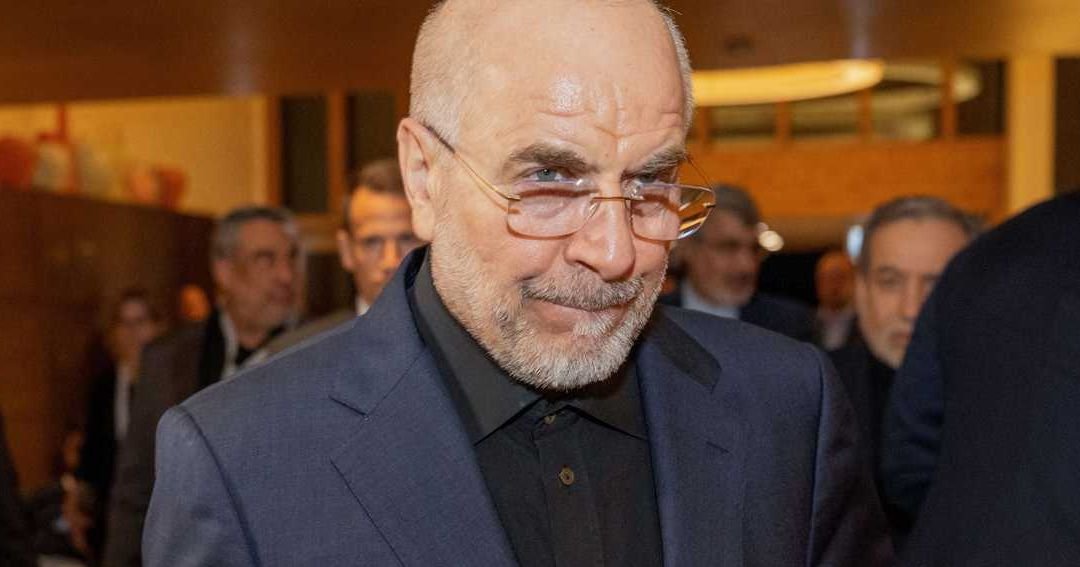
Iranian Parliament Speaker Mohammad Bagher Ghalibaf has articulated a firm stance regarding the potential for renewed diplomatic engagement with the United States, linking any future progress to Washington’s recognition of what he characterized as the legitimate rights of the Iranian people. In remarks delivered on Sunday, Ghalibaf emphasized that the Islamic Republic remains focused on securing its national interests as a prerequisite for any shift in current geopolitical tensions.
The Speaker’s comments suggest a recalibration of Tehran’s diplomatic priorities, particularly concerning the reopening of the Strait of Hormuz, a critical maritime chokepoint for global energy supplies. Ghalibaf’s assertions underscore the official Iranian position that strategic concessions regarding maritime security and diplomatic dialogue cannot be divorced from broader grievances held by the Iranian leadership against the United States.
By framing the dialogue in terms of ‘legitimate rights,’ Ghalibaf underscored that the Iranian parliament expects any potential negotiation process to be predicated on significant structural changes in how the United States interacts with Tehran. This development highlights the ongoing internal and external debates within Iran regarding how to effectively navigate international pressure while maintaining domestic political stability. The statement also serves as a public signal to international observers that the current impasse will persist unless Washington addresses the specific requirements set forth by Tehran’s leadership.
Furthermore, the linking of maritime access to diplomatic negotiations underscores the strategic leverage that Iran perceives it holds within the Persian Gulf. The Strait of Hormuz remains a central component of regional security discourse, and Ghalibaf’s rhetoric indicates that it continues to be treated as a key bargaining chip in Tehran’s broader foreign policy strategy. The call for recognition of the country’s rights is consistent with the longstanding rhetoric from Iranian officials who have consistently maintained that Washington must abandon its current policies to facilitate any de-escalation of tensions.
As the political climate remains volatile, these remarks provide clarity on the current limitations facing international mediators. The Iranian leadership appears to be maintaining a rigid position, demanding that any movement toward a diplomatic breakthrough must come from the American side through a direct acknowledgment of Tehran’s regional and sovereign claims. For now, the prospect of resumed negotiations remains tethered to these conditions, leaving the region in a state of continued strategic uncertainty. The emphasis placed on these demands by a high-ranking official like Ghalibaf reaffirms that Iran is currently prioritizing domestic political narratives and regional posturing over immediate diplomatic rapprochement with the West, specifically the United States.