

Iran Closes French Language Center in Tehran
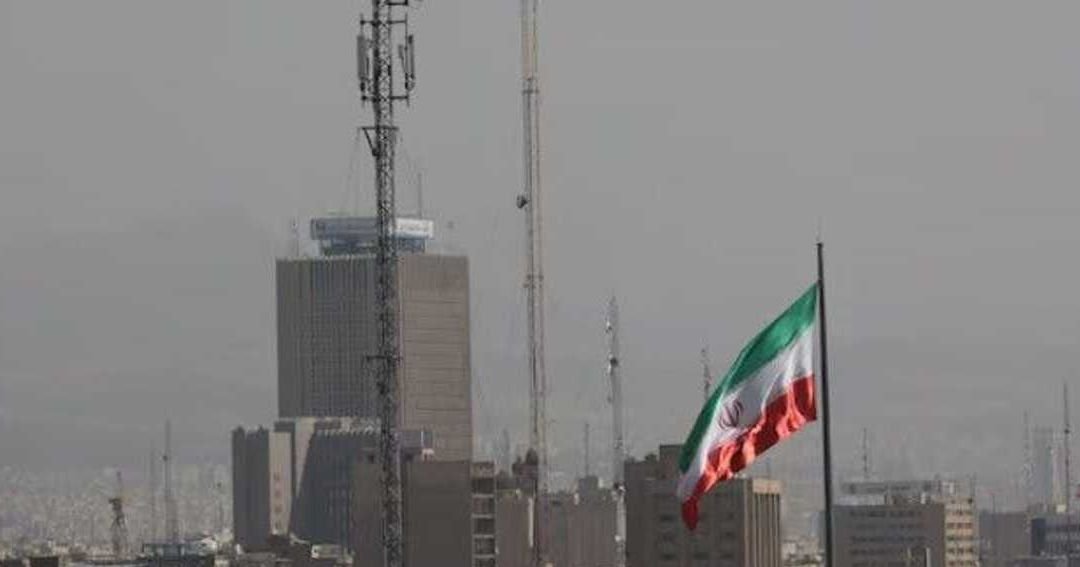
Iranian authorities have officially shuttered a prominent French language instruction center located in Tehran, taking direct action against the institution over allegations that it was engaged in activities deemed contrary to the country’s cultural values. The move, which took place on Sunday, marks a significant development in the diplomatic and cultural relationship between Tehran and Paris.
While officials in Tehran have characterized the closure as a necessary measure to protect the nation’s cultural integrity, the decision has drawn immediate attention to the increasingly strained environment for foreign cultural organizations operating within the Islamic Republic. The center, which served as a focal point for language education and cultural exchange, has been a long-standing fixture in the city’s diplomatic landscape.
By framing the closure as a response to activities that promote values in opposition to those of the state, Iranian authorities have effectively signaled a broader crackdown on foreign-affiliated educational and cultural platforms. This incident follows a pattern of heightened sensitivity within the Iranian political and security establishment regarding the influence of Western-backed institutions. The government has previously expressed concerns over what it characterizes as soft-power efforts by external actors to exert influence through educational channels.
The shutdown of the facility raises questions regarding the future of bilateral cultural cooperation. For years, such centers have acted as a bridge for students and individuals interested in the French language and arts, often operating under the auspices of cultural diplomacy. The sudden closure disrupts these established channels and suggests a hardening of Tehran’s stance toward European cultural influence.
As of Sunday, no further details were provided by the Iranian Ministry of Culture regarding the specific nature of the ‘anti-cultural’ activities that led to the decision. However, the action is consistent with a broader trend of restricting foreign presence in the country’s education sector. Observers of Middle Eastern affairs note that such actions are frequently linked to wider diplomatic tensions between Iran and Western nations. The closure of this center underscores the volatility of these international interactions, as cultural institutions often find themselves caught in the middle of broader geopolitical disputes.
For students and staff associated with the center, the sudden closure creates significant uncertainty regarding their academic and professional pursuits. The Iranian government’s decision to prioritize its current cultural policies over the continued operation of this foreign language entity suggests that the space for international educational cooperation in the capital is narrowing. The incident remains a point of concern for international stakeholders monitoring the state of cultural expression and foreign diplomacy within the country.