

Iraq Launches Major Initiative to Consolidate Firearms Control
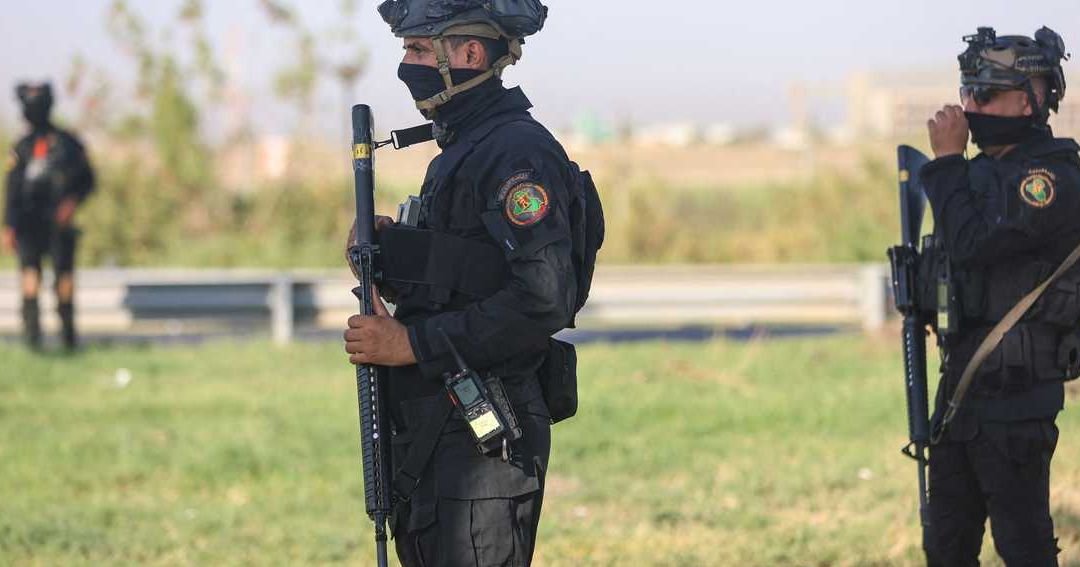
The Iraqi government has formally initiated a national campaign aimed at consolidating the control of firearms, a move that marks a significant step in the state’s effort to assert its authority over the security landscape. According to an official spokesperson from the Iraqi Ministry of Interior, the government is moving forward with a structured plan to ensure that all military-grade and civilian arms are brought under the sole jurisdiction of the country’s official security and military forces.
The initiative, which has been described by Baghdad as a critical component of its broader security strategy, seeks to address the proliferation of weapons that have historically complicated the state’s monopoly on the use of force. By implementing this “consolidation plan,” the Ministry of Interior aims to regulate the circulation of small arms and heavy weaponry throughout the country, effectively moving toward a more centralized security apparatus.
While the government has not disclosed granular details of the operational phase, the official statement underscored that the measure is intended to enhance domestic stability and reduce the risks associated with the unauthorized possession of firearms. The presence of non-state-controlled weaponry has long been identified as a challenge to national security, and this new directive signals a clear intention to align the country’s internal security operations with constitutional mandates that delegate the right to bear arms strictly to the state.
The project is expected to involve various branches of the security services and will likely require a multi-faceted approach to collection, registration, and enforcement. Security analysts have noted that the success of such a policy relies heavily on public cooperation and the state’s capacity to provide a safe, secure, and transparent framework for civilians to surrender weapons. The government’s move is also seen as a necessary precursor to strengthening the rule of law across Iraq’s diverse governorates, where the proliferation of arms has often served as a point of friction between regional stakeholders and the central administration.
As the Ministry of Interior continues to detail the implementation phases, the government emphasized that this initiative is part of a series of long-term reforms aimed at professionalizing the security sector and limiting the influence of armed entities operating outside the state’s formal command structure. The move reflects the ongoing efforts of the Baghdad administration to consolidate power and address long-standing security vulnerabilities that have impacted the nation for years. By focusing on the centralization of arms, the Iraqi government aims to improve the overall safety of the citizenry and consolidate the legitimacy of its official military and police institutions.