

Trump Issues Warning to Iran over Future Policy Decisions
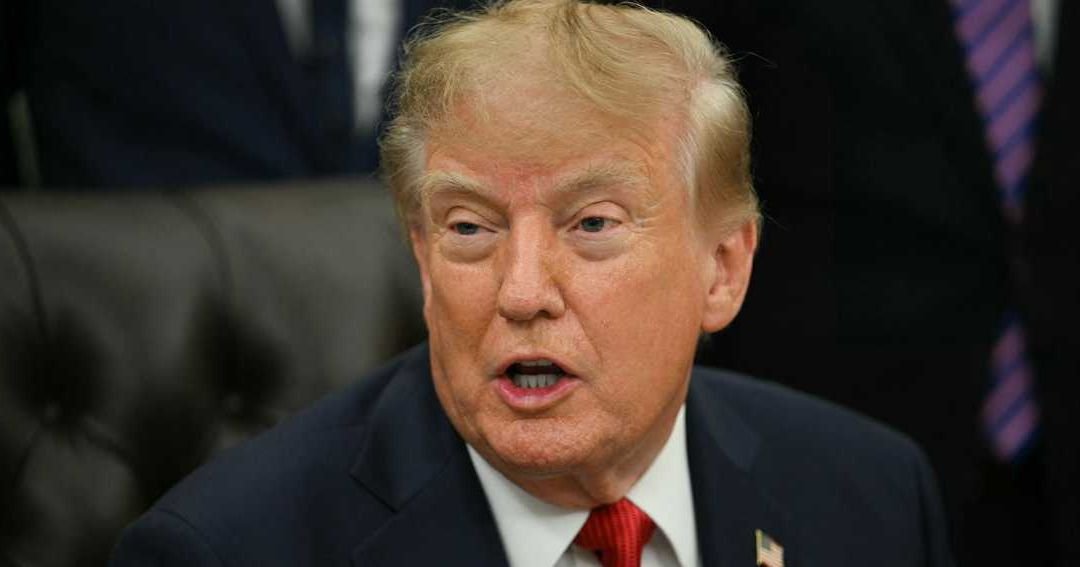
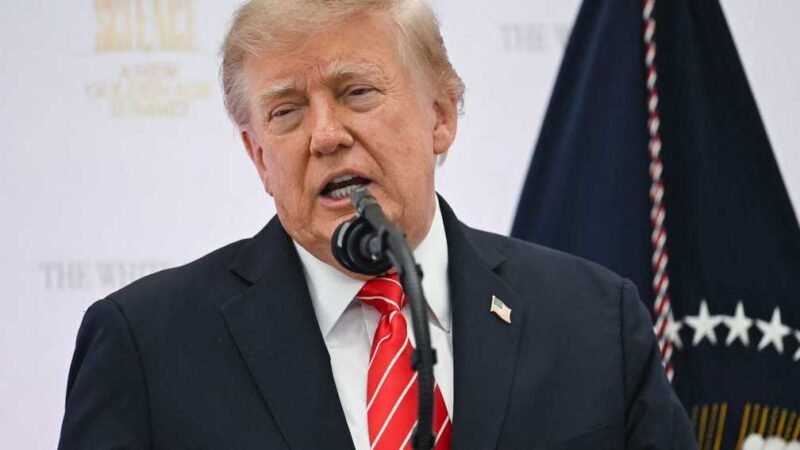
Former U.S. President Donald Trump has issued a stern warning to Iran, suggesting that he is currently deliberating on a new course of action regarding the Islamic Republic. During remarks delivered on Sunday, the former president emphasized that Tehran must improve its conduct, signaling a potential shift in policy that has drawn significant attention from regional observers.
While the former president did not elaborate on the specific nature of the decisions he is contemplating, his comments have reignited discussions regarding the future trajectory of U.S.-Iran relations. The administration of the former president previously oversaw a period of maximum pressure on the Iranian government, marked by the withdrawal from the Joint Comprehensive Plan of Action (JCPOA) and the re-imposition of heavy economic sanctions, which profoundly impacted Iran’s domestic and regional standing.
Analysts note that such statements reflect the ongoing volatility in the relationship between Washington and Tehran. The call for Iran to “improve its behavior” is consistent with the firm rhetoric previously employed by the former president throughout his tenure, which often centered on curbing Iran’s regional influence and addressing concerns related to its ballistic missile program and regional activities.
Given the current regional climate, any shift in the United States’ stance toward Iran carries substantial implications for the broader Middle East. The region remains highly sensitive to shifts in American diplomatic and security policies, particularly those involving Tehran, which plays a central role in various regional security dynamics. Observers are now looking for further clarification on whether these comments signal a return to a more aggressive posture or a recalibration of existing pressures.
The prospect of new policy decisions from the American political leadership regarding Iran is being closely monitored by regional stakeholders. Many countries in the Middle East view the U.S.-Iran dynamic as a defining feature of regional security, influencing everything from regional stability to economic policy and energy security. As speculation continues regarding the potential direction of future policy, the emphasis remains on how Tehran will respond to these signals and whether such public warnings will result in a change in regional conduct or lead to further hardening of positions.
With the situation remaining fluid, the international community continues to assess how the statements from the former president might influence the strategic calculations of various actors within the Middle East. For now, the core of the issue rests on the stated need for a change in behavior, a benchmark that has historically proven difficult to achieve amid deep-seated geopolitical disagreements. The developments serve as a reminder of the enduring importance of Iran’s relationship with the United States in the architecture of regional politics and security.