

US Deploys Third Aircraft Carrier to the Middle East
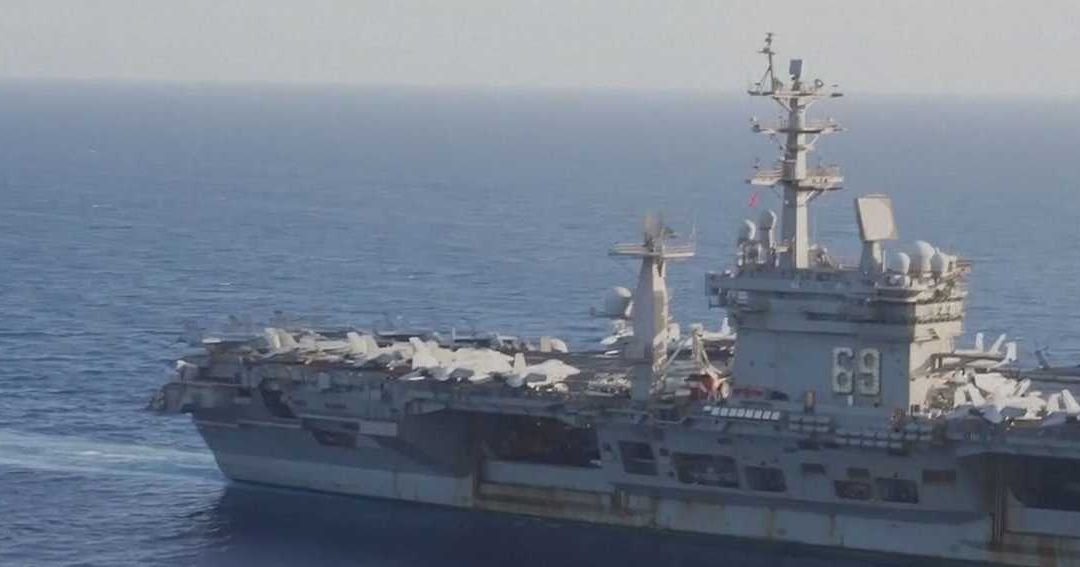
The United States has deployed the USS Theodore Roosevelt aircraft carrier and its associated strike group to the Middle East, marking a significant escalation in the American military presence in the region. This movement comes amidst a period of heightened geopolitical friction and follows public statements by President Donald Trump regarding the potential for intensified military pressure against Iran in the wake of the U.S. midterm elections.
The arrival of the Theodore Roosevelt adds to an already substantial U.S. naval footprint in the area, providing the Pentagon with increased strategic flexibility and firepower. Military analysts note that the deployment of an additional carrier strike group—a potent force comprising guided-missile cruisers, destroyers, and an embarked air wing—serves as a primary tool for projecting power and signaling commitment to regional stability. In the context of the current administration’s evolving policy toward Tehran, the presence of the strike group is viewed as a clear manifestation of the “maximum pressure” strategy, which seeks to limit Iranian influence through a combination of economic sanctions and military posturing.
While the specific operational directives for the Theodore Roosevelt strike group remain classified, the deployment underscores the administration’s intent to maintain a robust deterrent posture. The decision to bolster regional naval assets coincides with a broader push for an aggressive stance on Iranian regional activities, which Washington has consistently characterized as a threat to both international security and the stability of its regional allies. The timing, coming immediately after the U.S. midterm elections, suggests a hardening of domestic political resolve to project strength in foreign policy arenas, particularly regarding security challenges in the Middle East.
The deployment occurs at a time when the strategic landscape in the Gulf is increasingly fragile. The presence of three carrier groups in the theater provides a significant escalation capability, allowing the U.S. military to conduct extended air operations or provide a rapid response to any perceived hostile actions by Iranian forces or their regional proxies. As observers monitor the situation, the focus remains on whether this show of force will lead to a de-escalation of tensions or whether it will serve as a catalyst for a more protracted cycle of confrontation between Washington and Tehran.
For regional partners, the deployment of the USS Theodore Roosevelt serves as a visible assurance of the U.S. security umbrella, though it simultaneously highlights the volatility inherent in the current regional climate. The coming weeks will likely see sustained diplomatic and military scrutiny as regional actors assess the implications of an increased American naval presence and the potential for a shift in the status quo regarding Iran’s role in the region.