

Satellite Imagery Reveals Scale of Destruction in Gaza
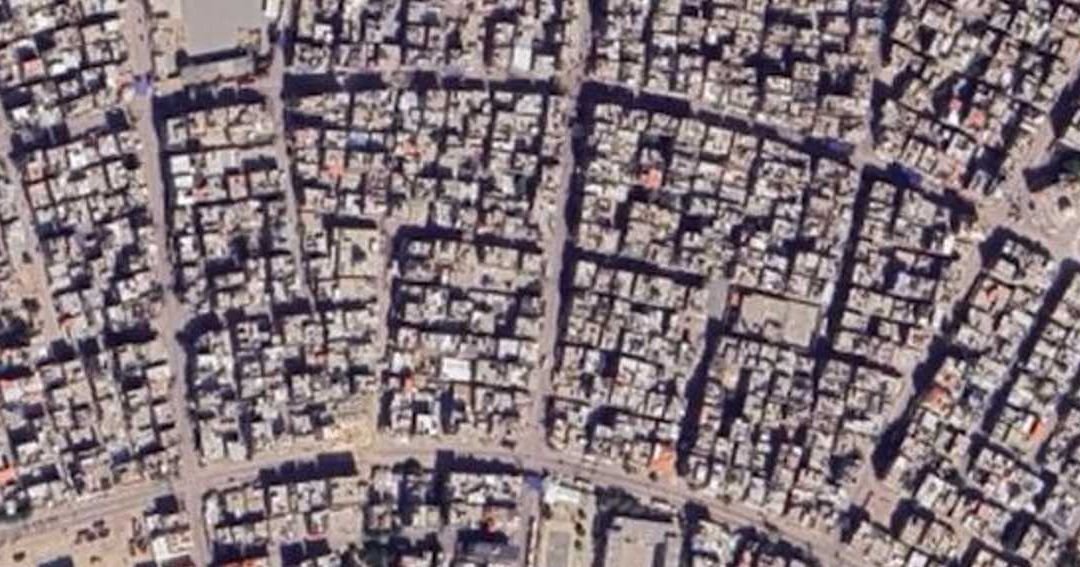
Recent updates to satellite imagery provided by Google have offered a stark, visual assessment of the extensive destruction across the Gaza Strip following three years of continuous conflict. The updated maps provide a clear view of the structural damage sustained by the territory, underscoring the severity of the humanitarian crisis currently affecting more than two million residents.
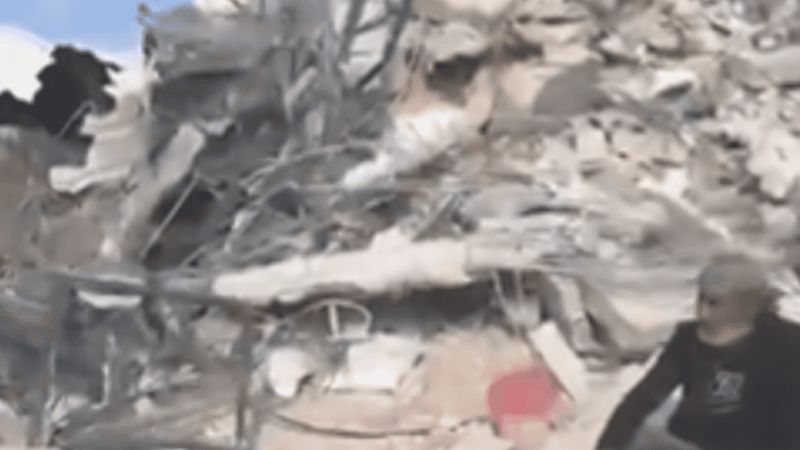
The imagery captures the profound transformation of the landscape, revealing widespread damage to urban infrastructure, residential neighborhoods, and vital facilities. These visual updates serve as a grim indicator of the physical toll the war has exacted on the coastal enclave since the onset of the conflict three years ago. The persistent instability has led to a critical situation for the civilian population, who continue to grapple with the daily realities of displaced communities, limited access to basic resources, and the collapse of essential services.
International humanitarian organizations and regional observers have consistently highlighted that the scale of the destruction has severely hindered efforts to provide adequate aid and recovery. The visual evidence from space aligns with reports describing the near-total devastation of housing and public infrastructure. For the millions living in the Gaza Strip, the imagery reflects more than just architectural loss; it captures the ongoing struggle of a population attempting to survive amidst the ruins of their homes and infrastructure.
As the conflict enters its fourth year, the humanitarian conditions remain dire. The international community has repeatedly called for increased attention to the humanitarian needs of the population, citing the depletion of essential infrastructure as a major barrier to stabilization. The updated satellite data provides a tangible perspective on the magnitude of the challenges ahead for any future reconstruction efforts in the region.
The severity of the situation depicted in the satellite updates continues to influence the regional discourse surrounding the conflict. Observers note that the images serve as a sober reminder of the enduring impact of the war on the social and physical fabric of Gaza. As the regional and international focus remains fixed on the potential for de-escalation, the visual record of the destruction underscores the pressing need for sustainable solutions to alleviate the suffering of the more than two million people trapped in the ongoing crisis.