

White House Dismisses Claims of Trump Remarks on Iran
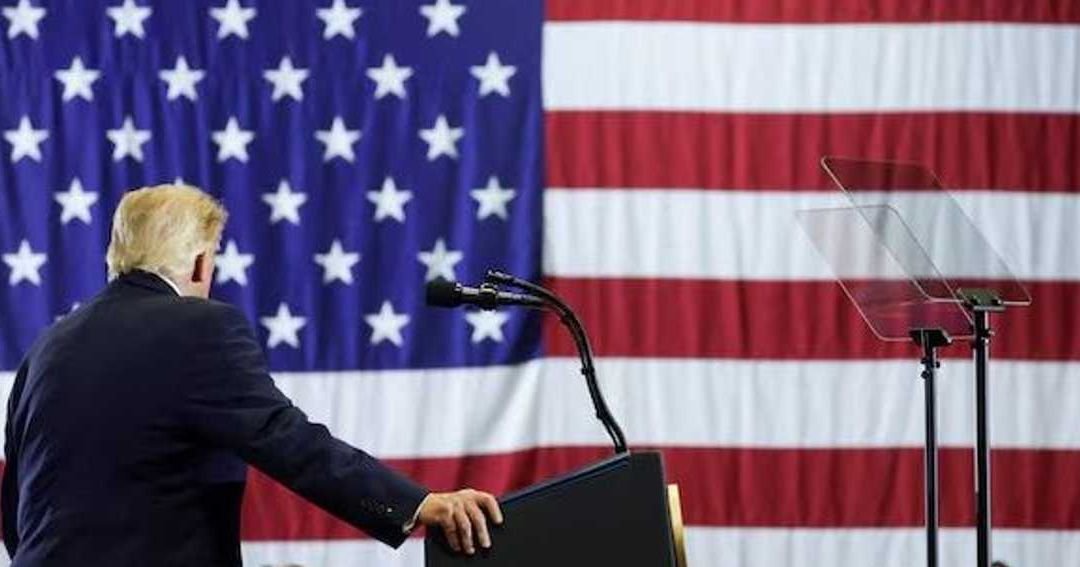
The White House has officially rejected reports suggesting that former President Donald Trump proposed the destruction of Los Angeles and San Diego by Iranian forces. The clarification comes in response to widespread criticism regarding comments made during a campaign rally in the state of Nebraska, which sparked intense debate among political figures and media outlets.
The administration’s statement serves to address the controversy surrounding the rhetoric used during the event. Critics had raised alarms over the implications of the former president’s words, questioning the nature of the remarks and their potential impact on public discourse. By clarifying the position, the White House aimed to resolve the ambiguity that followed the rally.
While the comments were made within the context of a domestic political event in the United States, the mention of Iran triggered immediate reactions. Tehran remains a central player in regional Middle Eastern dynamics, and any rhetoric involving the country is often closely scrutinized by policymakers and analysts who monitor the stability of the MENA region. The involvement of Iran in the discourse underscores the sensitivity of ongoing diplomatic and security tensions between Washington and Tehran.
The incident highlights the continued focus on how political figures communicate foreign policy and national security priorities during election campaigns. As the domestic political landscape in the United States shifts, the impact of such statements on international perceptions and regional relations remains a significant point of interest for observers of MENA affairs.
The White House’s swift rebuttal is part of a broader effort to manage the fallout from the rally, emphasizing that the statements attributed to the former president did not accurately reflect a policy proposal or an endorsement of any actions by foreign powers. As debates continue regarding the future of the United States’ posture toward Iran, the administration’s focus remains on navigating these complex diplomatic challenges without further fueling unnecessary regional escalation or misunderstanding.
For regional stakeholders, the attention placed on these comments reflects the broader importance of the US-Iran relationship. The incident illustrates how domestic political rhetoric in Washington can frequently intersect with international security concerns, requiring a careful distinction between campaign messaging and substantive foreign policy strategy. The White House has sought to put the matter to rest by addressing the specific claims directly, seeking to ensure that there is no misinterpretation of the country’s stance regarding national security and its relations with global counterparts, including the Islamic Republic of Iran.