King Mohammed VI Reviews Progress of Moroccan Government Formation
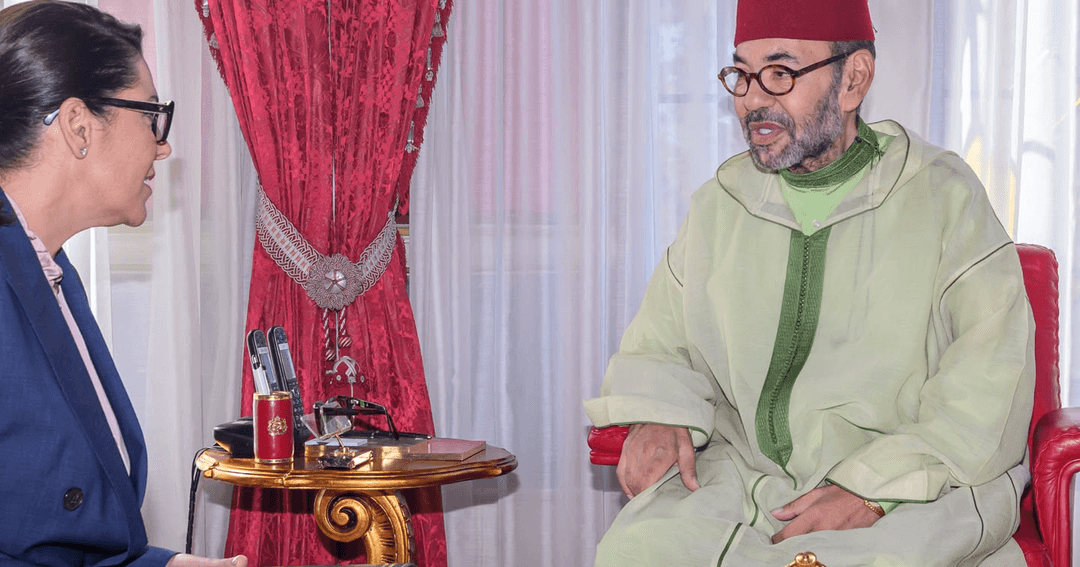
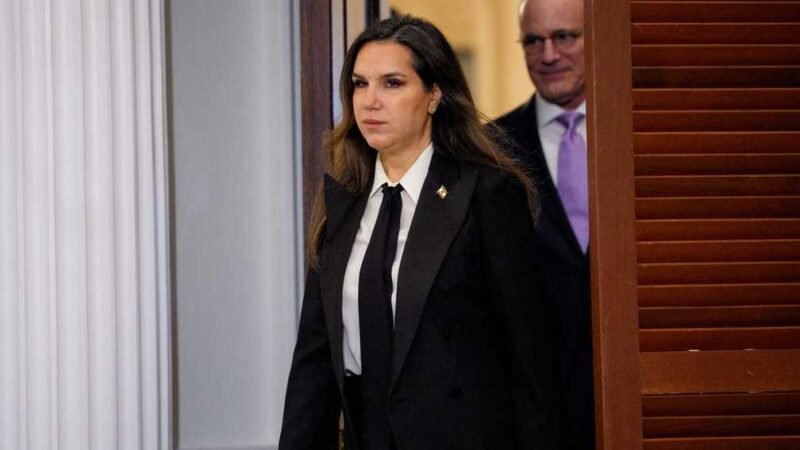
King Mohammed VI of Morocco received Fatima Zahra Mansouri on Wednesday to discuss the ongoing process of forming a new government. During the audience, Mansouri provided the Monarch with a detailed briefing on the progress of consultations aimed at establishing the country’s next executive cabinet.
The meeting follows a significant political development in which four political parties successfully reached a consensus to form a governing majority. This agreement serves as a crucial step in the institutional process of transitioning to a new government, reflecting the current state of parliamentary coalition-building in the Kingdom.
The formation of a government is a central pillar of Morocco’s political system, requiring intensive negotiations among political stakeholders to ensure a cohesive coalition capable of implementing the state’s strategic programs. By briefing the King, who plays a central role in the country’s institutional stability, the designated representatives are ensuring that the executive transition aligns with national expectations and established constitutional procedures.
Following the recent alignment of the four parties, the focus has shifted toward finalizing the structure of the cabinet and the distribution of ministerial portfolios. The ongoing consultations have been characterized by a collaborative approach among the participating parties, aiming to establish a stable and effective government that can address the country’s economic and social objectives.
As the process moves forward, the political parties involved are expected to continue their discussions to finalize the list of ministers. The role of the King in overseeing these consultations emphasizes the importance of maintaining continuity and stability within the Moroccan political landscape during the transition phase.
The development marks a pivotal moment for Morocco as it prepares to embark on its new legislative term. The success of these inter-party negotiations is viewed as a prerequisite for the effective functioning of the Moroccan government, particularly as it seeks to advance its domestic reform agendas and address the evolving needs of the nation.
With the initial agreement on a majority coalition now in place, political observers are closely monitoring the next stages of the process, including the official appointment of cabinet members and the subsequent presentation of the government program before Parliament. The outcome of these discussions will determine the direction of national policy in the coming years, reflecting the broader political landscape and the collaborative spirit of the participating parties in the current Moroccan government formation cycle.