Lebanon Rejects Claims of Legal Action Against Ambassador in Washington
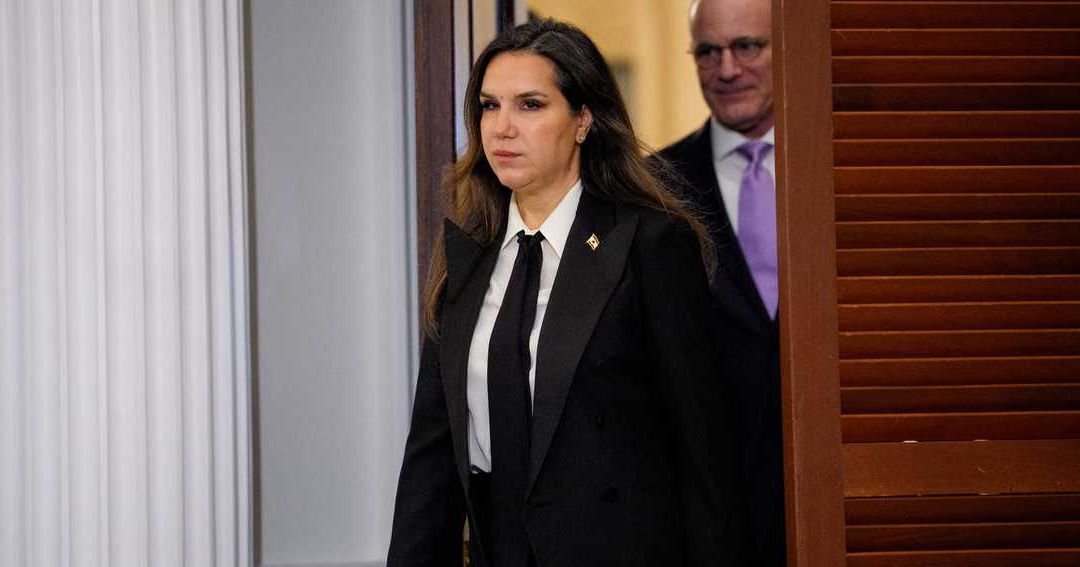
The Lebanese government issued a formal statement on Wednesday categorically denying media reports suggesting that judicial measures are being taken against its ambassador to the United States, Nada Hamada Mouawad. The clarification follows widespread speculation and public discourse concerning the ambassador’s diplomatic standing and alleged violations of national regulations.
Reports had circulated in various outlets claiming that the Lebanese authorities were initiating legal action against Mouawad. These allegations were primarily linked to purported violations of the Lebanese law regarding the boycott of Israel. Lebanon maintains strict legal provisions concerning interactions with Israeli entities, and the suggestion that a high-ranking diplomat had breached these statutes drew significant attention.
In its official response, the government dismissed the reports as entirely “inaccurate,” seeking to quell rumors that could potentially impact bilateral relations. The statement provided no further details regarding the origins of the claims, but emphasized that the information circulating in the public domain does not align with the factual situation concerning the diplomat’s tenure or her conduct in the United States.
As the Lebanese ambassador to Washington, Mouawad serves as a key representative of Beirut’s interests in a critical diplomatic theater. The swift issuance of a government denial underscores the sensitivity surrounding diplomatic appointments and the strict adherence to state policy regarding regional foreign relations. By labeling the claims as false, Beirut aims to stabilize the narrative surrounding its diplomatic mission in Washington and address the accusations that suggest a disregard for the country’s existing boycott laws.
While the government did not provide granular insights into the internal communications regarding the ambassador, the clarification serves as a definitive end to the immediate speculation regarding her legal status. The Lebanese Foreign Ministry continues to oversee its diplomatic delegations abroad, maintaining that its representatives are required to uphold national directives in all capacities of their service. The incident highlights the ongoing challenges Lebanese officials face in navigating the complex intersection of foreign diplomacy and the stringent domestic legal frameworks that govern the country’s posture toward Israel. For now, the government maintains that there is no basis for any judicial investigation into the ambassador’s activities, effectively closing the matter within the public sphere for the time being.