Egypt Foreign Minister: Military Solutions Cannot End Regional Crises
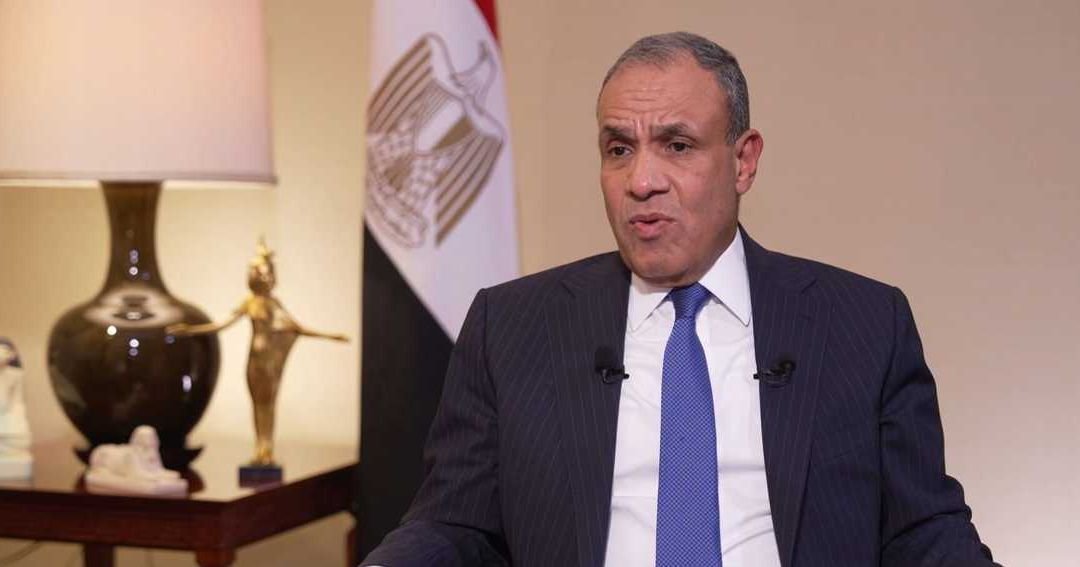
Egyptian Foreign Minister Badr Abdelatty has cautioned against reliance on military force to address the deepening crises across the Middle East, emphasizing that such measures fail to provide lasting stability. The Minister’s remarks come amidst heightened regional tensions, particularly concerning the volatile relationship between the United States and Iran, which continues to impact the security landscape of the broader region.
Speaking on the necessity of de-escalation, Abdelatty underscored that the complex challenges facing the Middle East today require a shift in strategy. He argued that military interventions have consistently proven unable to resolve the root causes of regional conflicts, often leading to protracted instability rather than sustainable diplomatic resolutions. By framing military solutions as an insufficient path forward, the Egyptian top diplomat highlighted the importance of prioritizing dialogue and political engagement as the primary tools for statecraft in an era of persistent geopolitical friction.
The comments reflect Egypt’s broader foreign policy stance, which has long advocated for regional stability through diplomatic mediation and the prevention of direct military confrontations that could further engulf the Middle East in conflict. Given Egypt’s strategic position as a key regional actor, these statements underscore the urgency with which Cairo views current escalatory trends. The Minister’s position aligns with Cairo’s efforts to engage with various international and regional stakeholders to contain the potential for a wider conflict between regional adversaries and global powers.
The ongoing tension between the United States and Iran remains a primary point of concern for regional capitals. The potential for miscalculation or unintended escalation, as noted by various regional observers, remains a persistent threat to economic and security stability in the MENA region. Egypt has maintained a consistent focus on the humanitarian and political costs of war, consistently calling for international restraint to protect regional sovereignty and development.
As the diplomatic climate remains fraught with uncertainty, the emphasis on non-military solutions serves as a reminder of the limitations of conventional defense strategies when faced with deep-seated geopolitical rivalries. Egypt continues to leverage its diplomatic channels to encourage a move away from military posturing in favor of frameworks that address the underlying grievances fueling the current state of regional insecurity. The Minister’s address serves as a call for international actors to reconsider the long-term impact of military reliance in a region already characterized by fragile security structures and a desperate need for sustained peace-building initiatives.