Sailors Face High Risks as Red Sea Tensions Impact Global Shipping
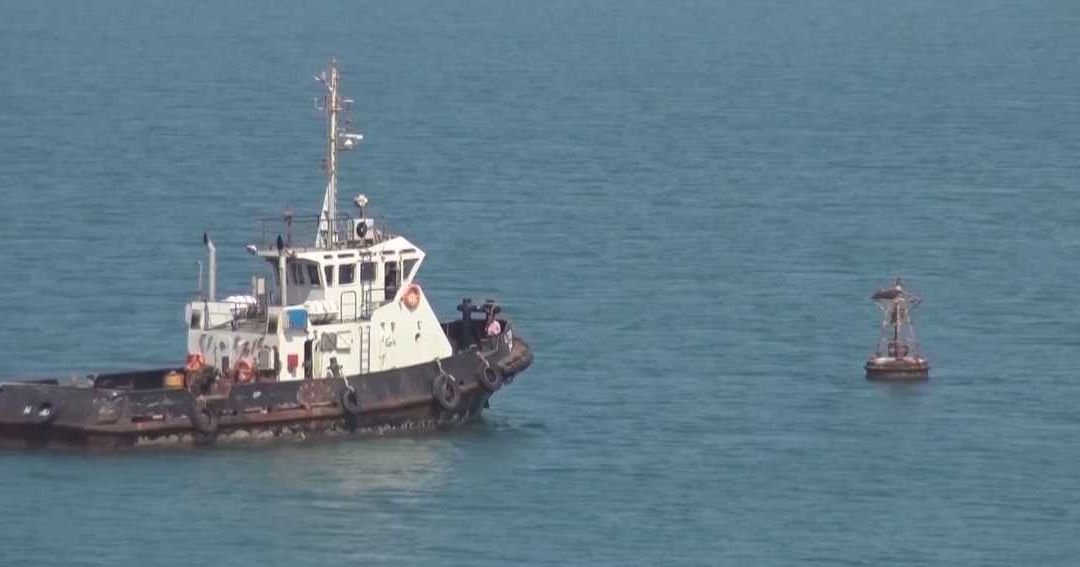
For many commercial mariners, the transit through the Red Sea—a critical artery of global trade—has transformed from a routine professional task into a high-stakes encounter with geopolitical volatility. As Houthi-led attacks targeting maritime vessels continue to escalate, those working on board commercial ships are increasingly finding themselves forced to navigate a landscape defined by the threat of missiles and drones.
The strategic waterway of the Bab al-Mandab Strait, which connects the Red Sea to the Gulf of Aden, has become a flashpoint for regional security. For the crews manning international shipping fleets, the current environment presents a profound dilemma: accept the significant personal risk required to sustain the flow of goods through one of the world’s most important maritime corridors, or refuse to sail through the zone entirely.
This tension highlights the human cost of the ongoing maritime security crisis. While global logistics and supply chains grapple with the economic consequences of redirected routes and increased insurance premiums, the individuals on the front lines of this disruption face the immediate, tangible danger of being caught in the crossfire of regional conflicts. The nature of these attacks, often involving aerial drones and anti-ship ballistic missiles, has created a climate of uncertainty for merchant sailors who previously operated under the assumption of navigational freedom.
The situation remains a significant concern for the maritime industry, as the safety of crews becomes a primary issue alongside the protection of commercial property. As security measures are reviewed and potential transit refusals grow, the persistence of the threat continues to impact both the operational rhythms of international shipping and the personal safety of the men and women at sea. With the Bab al-Mandab remaining a focal point for regional actors, the decision to sail remains a difficult calculation for captains and crew members alike, weighing the necessity of trade against the rising peril of the maritime passage.