Deepfake Video of Netanyahu and Sinwar Sparks Controversy in Israel

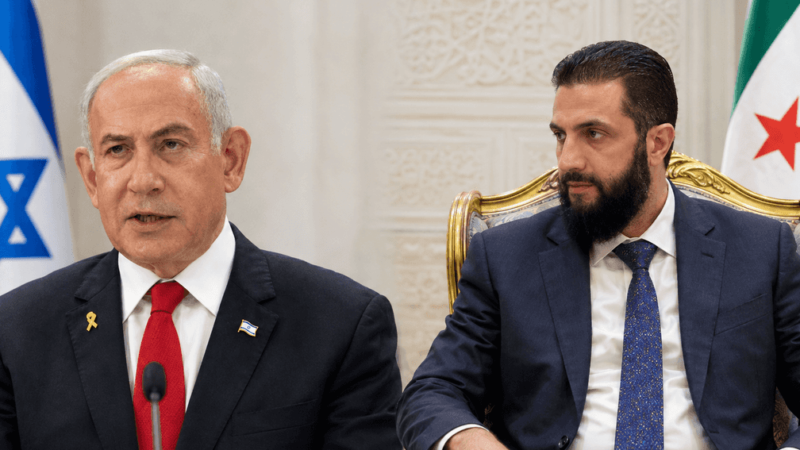
A synthetic video depicting a fabricated conversation between Israeli Prime Minister Benjamin Netanyahu and Hamas leader Yahya Sinwar has surfaced, causing significant unrest and debate within the Israeli political landscape. The footage, which appeared to show the two figures engaged in a video call where the Prime Minister congratulates the Hamas leader, was identified as a digital fabrication.
The clip was circulated by Gadi Eisenkot, a former Chief of Staff of the Israel Defense Forces and a political rival of the current Prime Minister. The dissemination of the material has ignited intense scrutiny regarding the use of advanced digital media in political discourse and its potential to manipulate public perception during an already volatile period.
While the video was quickly identified as non-authentic, its release has served to underscore the growing concern surrounding the influence of artificial intelligence and deepfake technology on political stability. In a climate defined by high-stakes security operations and deep-seated political divisions, the weaponization of such imagery presents a new challenge for domestic security and information integrity.
The incident has prompted widespread discussion regarding the responsibility of political figures in sharing content, particularly as the region continues to grapple with the security implications of the ongoing conflict involving Israel and Hamas. The use of the video by a prominent former military leader and current political opponent has added a layer of complexity to the narrative, as observers analyze the motivations behind the distribution of such misleading content.
As digital platforms continue to play a pivotal role in the dissemination of information during regional crises, the emergence of this fabricated video serves as a stark reminder of the risks associated with sophisticated misinformation. Security analysts have noted that the ease with which such content can be produced and distributed poses a risk of further polarizing public opinion and complicating the domestic political atmosphere.
The fallout from the video highlights the intersection of technological advancement and traditional political maneuvering, forcing a national conversation in Israel about the need for greater vigilance and verification in the digital age. As both the government and the opposition navigate this new reality, the event remains a point of contention that reflects the broader instability currently affecting the regional security environment.