West Bank Olive Harvest Faces Severe Disruptions and Security Risks
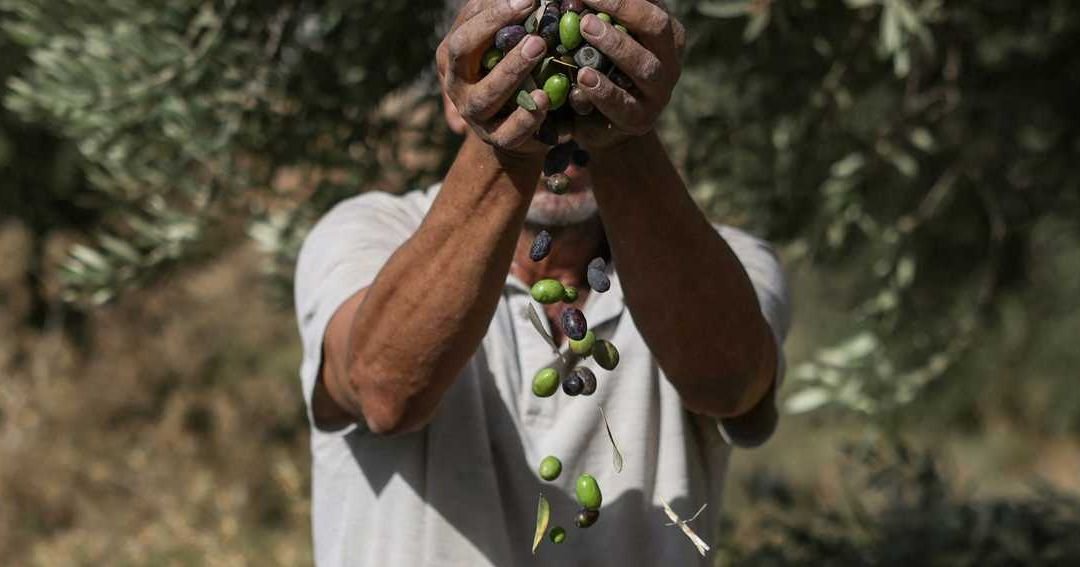
The 2026 olive harvest in the West Bank, a season traditionally vital to both the economy and the cultural heritage of Palestinian communities, has commenced under the shadow of significant instability. As farmers attempt to move into their groves, reports indicate that the agricultural sector is facing an increasingly hostile environment, threatening the viability of this year’s production cycle.
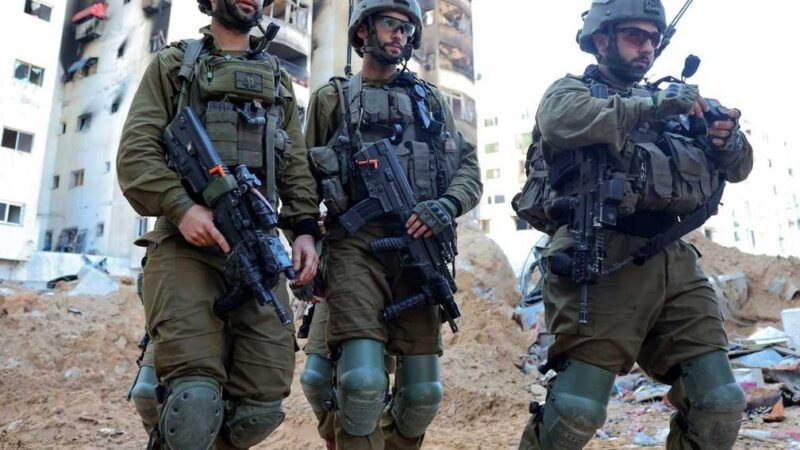
At the heart of the crisis are escalating security concerns. Farmers are reporting that the harvest period is being marred by repeated acts of violence perpetrated by Israeli settlers. These incidents, which include direct confrontation and interference with agricultural operations, have created a climate of fear, effectively preventing many families from reaching their ancestral lands to collect their yields. The seasonal timing is critical; olive trees require harvesting within a specific window to ensure fruit quality and to maintain the health of the trees for the following year. Any delay caused by insecurity can result in significant damage to the crop and substantial financial losses for smallholder farmers.
Beyond direct physical confrontations, the ability of farmers to access their property remains heavily constrained. Agricultural access in the West Bank has long been a point of contention, characterized by a complex system of permits, military zones, and infrastructure barriers. These existing limitations have been reportedly tightened as the harvest season gets underway. For many, the land represents their primary source of income and livelihood; therefore, restricted access effectively cuts off their economic lifeline.
Agricultural experts and local representatives are expressing growing alarm regarding the potential long-term impacts of these disruptions. The olive industry is a cornerstone of the Palestinian economy, contributing significantly to food security and rural employment. Sustained disruptions, year over year, threaten to destabilize the sector entirely, leading to reduced export capacity and a potential decline in the overall quality of Palestinian olive oil, which is highly regarded internationally.
The compounding effect of physical violence and systemic movement restrictions has left many agricultural communities in a state of precariousness. As the harvest continues, there is a mounting fear that the economic losses will be severe, potentially affecting the livelihoods of thousands of households that rely on the ‘green gold’ of the West Bank for their annual income. The combination of security threats and access challenges creates a volatile environment where the simple act of gathering crops has become a dangerous undertaking, casting a pall over what should be a productive and celebratory season for local producers.