US Secretary of State Expresses Concern Over West Bank Settler Violence
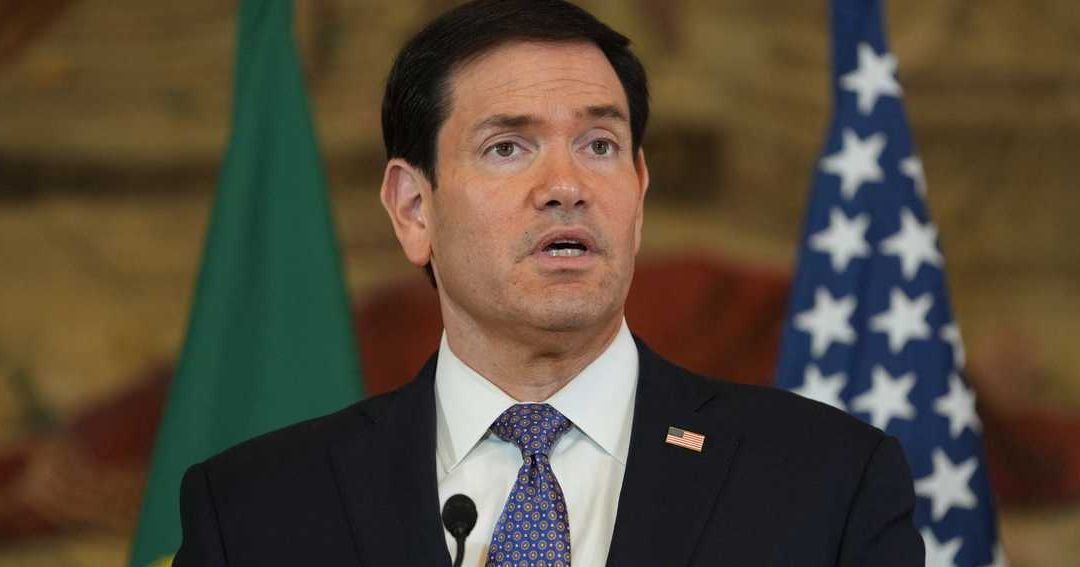
United States Secretary of State Marco Rubio has formally expressed his deep concern regarding reports of rising violence by settlers in the West Bank. The top American diplomat’s remarks follow the circulation of documented instances showing escalations in the territory, underscoring the ongoing volatility within the region.
The West Bank has long been a focal point of international scrutiny and diplomatic efforts aimed at maintaining stability. The comments from the U.S. State Department reflect a growing apprehension regarding the humanitarian and security implications of such incidents, which have become a recurring feature of the regional landscape. By addressing the situation directly, Secretary Rubio has signaled that the current levels of violence in the territory remain a matter of priority for American foreign policy.
While the situation in the West Bank involves a complex array of political, security, and humanitarian factors, the focus remains on the immediate impact these confrontations have on the ground. International observers and various regional stakeholders have frequently highlighted the potential for such flare-ups to undermine broader diplomatic initiatives or de-escalation efforts. The U.S. position, as reiterated by the Secretary, emphasizes a need for restraint and a reduction in tensions to prevent further instability in the area.
For the Global Arab Network audience, the Secretary’s intervention is significant as it highlights the sustained U.S. diplomatic engagement with the status quo in the West Bank. The discourse surrounding settler violence is often tied to discussions regarding the future of the territory and the prospects for long-term regional security. By publicly acknowledging his discomfort with the visual evidence of these violent encounters, Secretary Rubio has brought the issue to the forefront of current diplomatic dialogues.
The response to these incidents typically serves as a barometer for the broader relationship between the United States and the parties involved in the West Bank. As the international community monitors these developments, the challenge remains to address the root causes of the violence while navigating the sensitivities inherent in the regional geopolitical environment. This latest development underscores that, despite shifts in diplomatic priorities, the situation in the West Bank continues to require careful management to avoid further escalation that could have broader consequences for the stability of the Middle East.