Countdown to UNIFIL Withdrawal Sparks Anxiety in Southern Lebanon
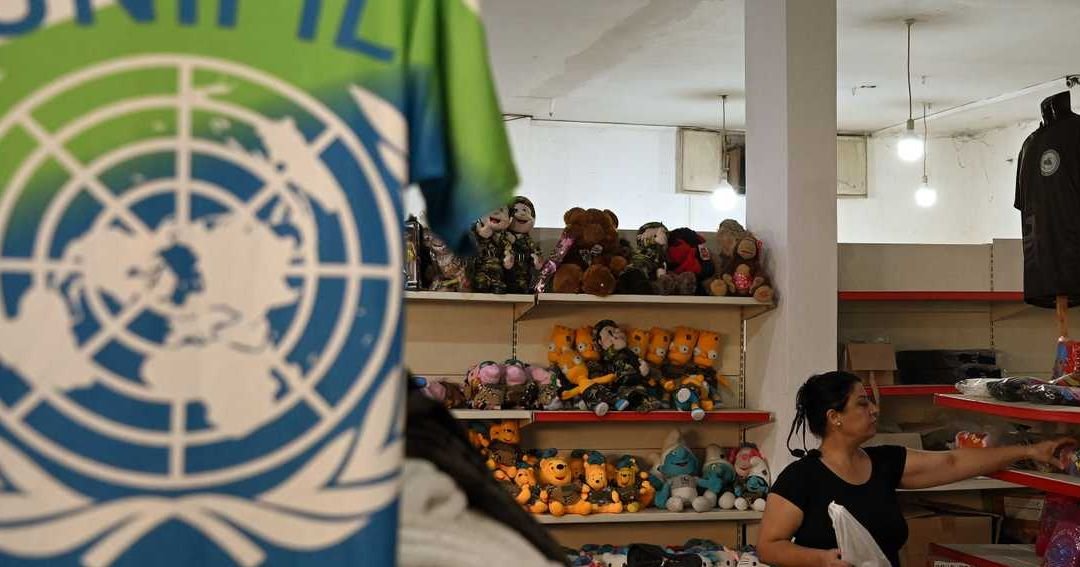
Residents of southern Lebanon are grappling with mounting anxiety as the mandate for the United Nations Interim Force in Lebanon (UNIFIL) nears its expiration at the end of 2026. For decades, the presence of these international peacekeeping forces has been a defining feature of life in the region, serving not only as a buffer in a volatile border area but also as a cornerstone of the local socio-economic environment.
Since its establishment, UNIFIL has operated as a significant pillar of stability in southern Lebanon. Beyond their primary mandate of monitoring the cessation of hostilities and supporting the Lebanese Armed Forces, the peacekeeping troops have become deeply integrated into the fabric of the local communities. The approaching deadline for the mission’s withdrawal has triggered widespread concern among citizens who fear that the vacuum created by the absence of UN forces could lead to an escalation of tensions and a collapse of the fragile peace that has persisted for years.
The apprehension is not purely focused on security. For many inhabitants of the south, UNIFIL has functioned as a vital engine for the local economy. Over the decades, the presence of the mission has stimulated various service sectors and provided employment opportunities for residents in an area that has often faced economic isolation and developmental challenges. The withdrawal is seen by many as a potential threat to their livelihoods, leading to fears of increased hardship in villages that have come to rely on the international presence for both trade and financial activity.
Local perspectives highlight that the mission’s role has evolved well beyond its original diplomatic and military objectives. By maintaining a constant presence, the force has provided a level of predictability that allowed for daily life to continue despite the looming proximity of regional conflicts. The transition period leading up to 2026 is now characterized by a sense of impending fragility. Residents are increasingly vocal about the potential risks, questioning how the security architecture of the region will be maintained once the international oversight is removed.
As the deadline approaches, the psychological and economic impact on the south is becoming more pronounced. The uncertainty regarding the mission’s future—and whether it might be extended or entirely phased out—has left communities in a state of suspended animation. The prospect of a post-UNIFIL landscape raises critical questions about the readiness of local institutions to fill the void and the long-term impact on regional stability. For now, the people of the south remain focused on the potential loss of a security shield and an economic lifeline, watching the countdown with growing trepidation as the end of the year 2026 draws closer.