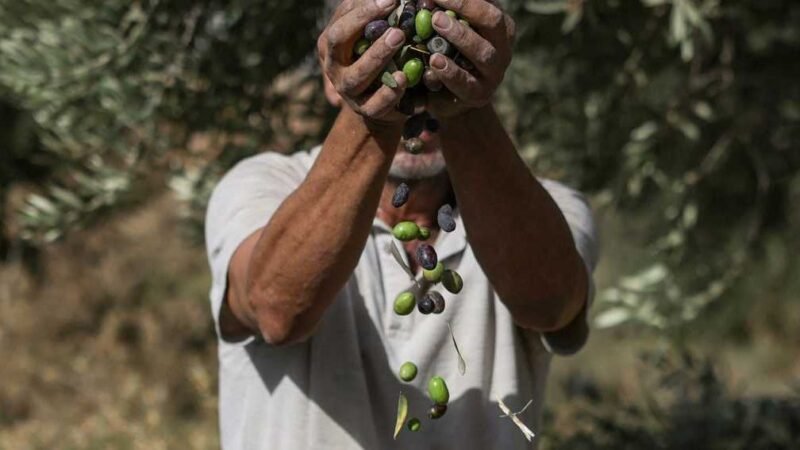


Southern Lebanon Olive Harvest Stalls Amid Israeli Restrictions
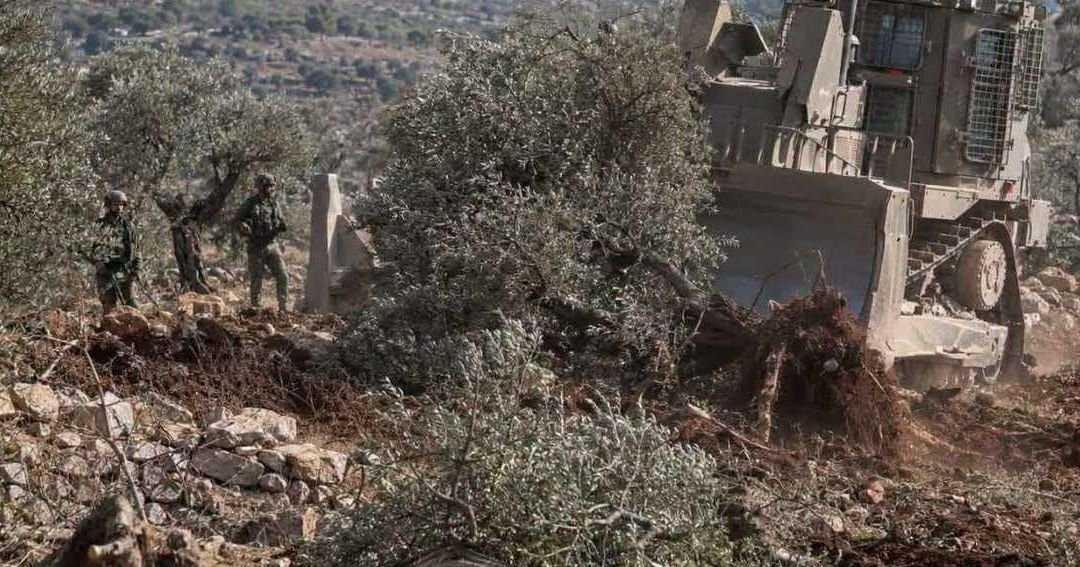
Farmers across border towns in southern Lebanon are facing significant difficulties this season as they attempt to access their olive groves. The annual harvest, a cornerstone of the regional agricultural economy, has been disrupted by a series of restrictive conditions imposed by Israeli authorities, sparking widespread opposition from local residents and municipal leadership.
The current situation has left many landowners unable to tend to their crops during this critical period. According to local reports, the restrictions limit both the duration of the harvest window and the number of individuals permitted to participate in the gathering of olives. These measures are being described by residents as an unacceptable infringement on their ability to manage their land and secure their livelihoods.
The agricultural sector in southern Lebanon is vital for the local economy, with the olive harvest serving as a primary source of income for numerous families. Faced with these challenges, local farmers have expressed deep concern over the potential loss of this year’s yields if they cannot reach their groves in a timely and safe manner. The mounting frustration among the affected communities has led to urgent calls for intervention to protect those working near the border areas.
In response to these developments, there have been formal requests to secure an official escort to facilitate the movement of farmers and ensure their safety. Local stakeholders are advocating for the presence of the Lebanese Army and the United Nations Interim Force in Lebanon (UNIFIL) to provide a protective cordon during the harvesting process. The demand for such measures underscores the precarious environment in which these agricultural activities are now taking place, as the need to balance security requirements with the essential economic needs of the border villages becomes increasingly urgent.
Municipal officials and community leaders have emphasized that the current conditions are untenable and are calling for a resolution that allows for the full and unhindered participation of local families in the harvest. The situation remains fluid, as negotiations and local efforts continue to try and secure the necessary permissions and protection to complete the seasonal work before the window for optimal harvesting closes entirely. For now, the fields remain largely inaccessible, casting a shadow of uncertainty over the livelihoods of those who depend on the olive harvest as a pillar of their seasonal revenue.