Houthi Missile Strike in Shabwa Claims Over 50 Lives
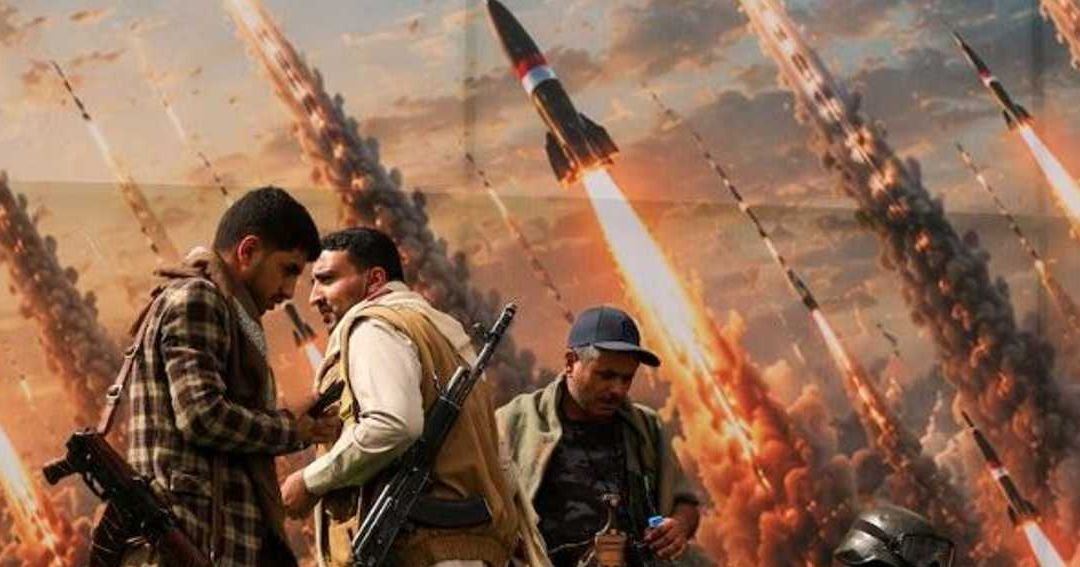
A major escalation in Yemen’s ongoing conflict has occurred in the southern province of Shabwa, where a missile strike attributed to Houthi forces has resulted in a significant number of casualties. According to local reports, the attack targeted the Al-Alam camp, leaving more than 50 people dead and dozens more suffering from various injuries.
The strike marks a severe turn in the hostilities within the region, which has long been a flashpoint for competing interests in the broader Yemeni conflict. The scale of the casualties has drawn immediate attention to the volatile security situation currently gripping southern and western parts of the country. Military and local sources have confirmed that the attack was executed with precision, hitting the military facility at a time of heightened regional tension.
This incident follows a pattern of intensifying military activity near critical maritime and land transit points. Concurrent with the tragedy in Shabwa, observers have noted a renewal of heavy fighting near the Bab al-Mandab Strait, a vital shipping lane for global energy and trade, as well as in the western governorate of Taiz. The simultaneity of these military engagements suggests a coordinated effort by Houthi forces to exert pressure across multiple strategic fronts.
The situation in Taiz, which has remained largely contested for years, continues to be a central focus of the conflict. The recent surge in hostilities highlights the persistent challenges to achieving a sustainable ceasefire or a broader political resolution in Yemen. While regional stakeholders have frequently called for de-escalation, the latest developments demonstrate the fragility of the current status quo.
International and regional bodies have consistently emphasized that the stability of Yemen is deeply intertwined with the security of the wider Middle East. The proximity of the fighting to the Bab al-Mandab Strait—one of the world’s most significant maritime chokepoints—serves as a reminder of the potential for the conflict to impact regional economic stability. The current casualty figures underscore the humanitarian cost of the war, as the infrastructure in Shabwa and surrounding regions struggles to cope with the influx of victims from the attack.
As of now, the situation in Shabwa remains precarious, with local authorities and medical teams working to stabilize the surviving victims. Military officials in the area have signaled that they are on high alert as they assess the fallout from the strike and the potential for further offensive maneuvers in the vicinity of the southern governorates and the western frontlines.