Moroccan Government Outlines Priorities on Sovereignty and Services
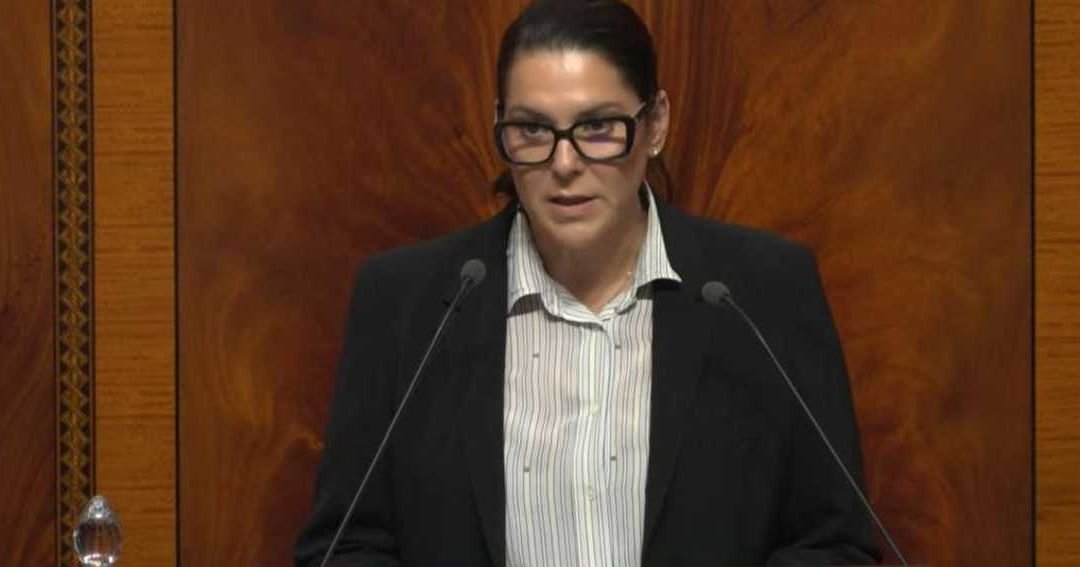
Moroccan Head of Government Fatima Zahra Mansouri has formally presented her administration’s roadmap to the national parliament, setting the stage for a new phase of governance focused on national sovereignty and the systematic improvement of public services. Addressing lawmakers, Mansouri stressed that the government is fully cognizant of the current responsibilities and the critical nature of the upcoming domestic deadlines.
In her address, Mansouri articulated a governance vision centered on pragmatism and institutional accountability. She highlighted that the executive branch is prioritizing the translation of pre-existing pledges and formal commitments into tangible, actionable programs. By framing these priorities, the administration aims to address the growing public demand for enhanced service delivery while maintaining a strong focus on protecting and reinforcing Morocco’s national sovereignty.
The presentation served as a primary platform for the government to align its legislative agenda with the expectations of the citizenry. Mansouri’s remarks emphasized that the current political climate requires a disciplined approach to administration, where policy promises are not merely theoretical but are backed by rigorous implementation strategies. The government’s focus on service reform is expected to target key areas of public administration, ensuring that state-provided services are more efficient, accessible, and responsive to the needs of the Moroccan population.
Beyond domestic service efficiency, the emphasis on national sovereignty underscores the government’s commitment to navigating current geopolitical and internal challenges with a cohesive national strategy. Mansouri noted that the government has prepared for the upcoming period with a clear understanding of the obstacles ahead, signaling a proactive stance in managing national affairs.
Legislators were provided with an overview of how the government intends to balance its long-term strategic goals with the immediate requirements of the populace. The roadmap seeks to reconcile the need for structural reforms within public institutions with the necessity of maintaining stability. By moving away from abstract political rhetoric and toward a focus on measurable outcomes, the administration aims to bolster public trust in governmental processes.
As the administration moves forward, the focus will remain on the implementation of these announced programs. The commitment to translating high-level policy into concrete action is viewed as a vital step in addressing structural issues within the public sector. The government’s presentation has set clear expectations for the upcoming legislative sessions, where the implementation of these programs will likely be a primary subject of parliamentary oversight and debate. This strategic roadmap reflects a broader intent to strengthen the efficiency of state institutions while ensuring that national interests remain at the forefront of the government’s policy-making efforts.