Pakistan Army Chief Visits Tehran to Foster Diplomatic Dialogue
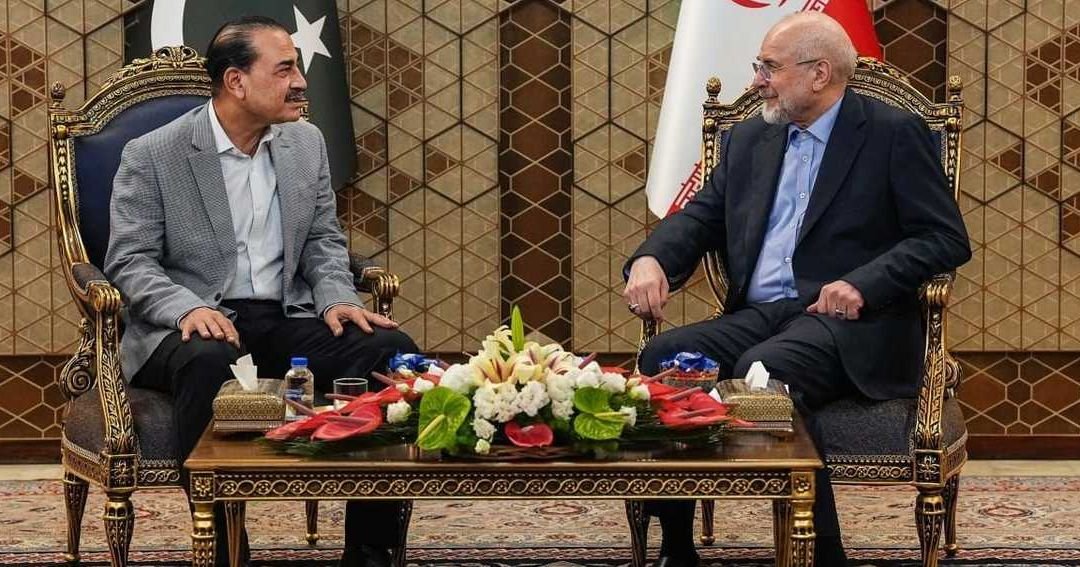
Pakistan’s Chief of Army Staff, General Asim Munir, arrived in Tehran on Tuesday for a series of high-level meetings with Iranian officials, marking a significant development in regional diplomacy. The visit comes at a time when Pakistan is actively seeking to play a constructive role in easing tensions between the Islamic Republic of Iran and the United States.
General Munir’s arrival in the Iranian capital was confirmed by state media, highlighting the importance of the ongoing diplomatic mission. While the specific agenda of the visit remains focused on bilateral security and strategic cooperation, the broader regional context involves Pakistan’s unique position as a mediator capable of engaging with multiple global and regional stakeholders.
The visit underscores the deep-seated security and political ties between Islamabad and Tehran. As neighbors sharing a significant land border, the two nations frequently consult on regional stability, counter-terrorism efforts, and cross-border security management. The presence of a senior military official in Tehran signals that the discussions are likely to encompass substantive security cooperation alongside the broader diplomatic objectives of de-escalating regional friction.
Pakistan has historically navigated a complex geopolitical landscape, often leveraging its strategic geography and diplomatic channels to facilitate dialogue between conflicting parties. By engaging directly with Iranian leadership, General Munir is expected to discuss mechanisms to prevent further regional instability and explore potential avenues for lowering the temperature in the ongoing, high-stakes standoff between Tehran and Washington.
Analysts have noted that Pakistan’s influence in regional affairs is often predicated on its ability to maintain professional and transparent communication lines with both Middle Eastern powers and Western capitals. This latest visit serves as a testament to Islamabad’s commitment to utilizing military and diplomatic channels to encourage the resumption of stalled communication paths or the stabilization of existing ones.
The discussions in Tehran are expected to address regional developments that directly impact the security architecture of the Middle East. Beyond the specific objective of facilitating international diplomatic progress, the meeting allows both Iran and Pakistan to reaffirm their bilateral commitments, ensuring that their shared border remains secure and that their respective national interests are protected amid evolving regional dynamics.
As the dialogue progresses, international observers are closely monitoring the outcomes of the visit to determine whether the renewed engagement will lead to a more predictable environment in the Middle East, particularly regarding the volatile tensions that have characterized the relationship between Tehran and the United States in recent years. The success of this visit will be measured by the ability of both nations to translate high-level security consultations into tangible progress for regional stability.