


EU Aspides Commander Warns of Volatile Red Sea Security Landscape
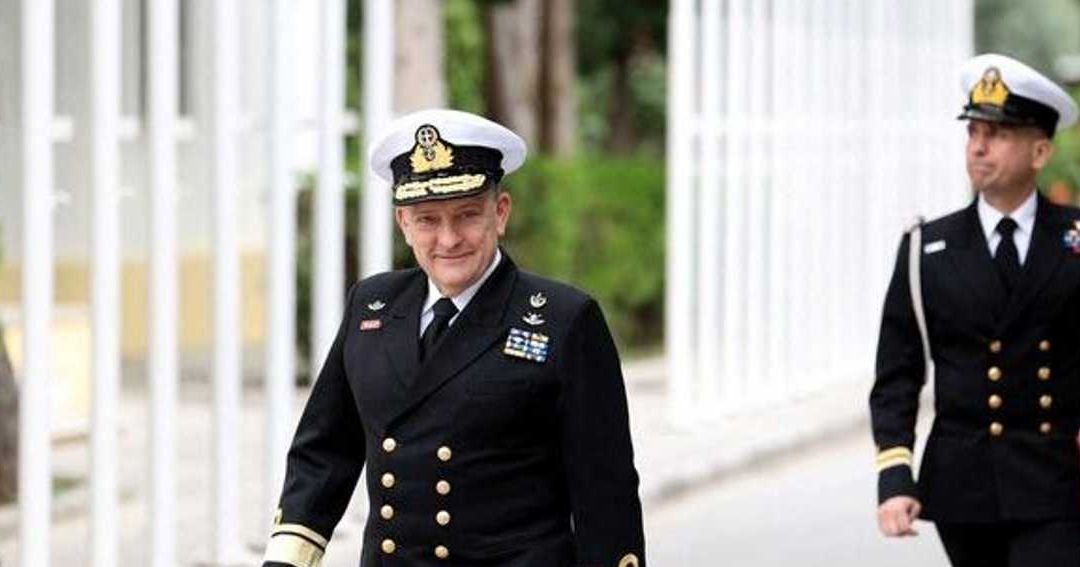
The commander of the European Union’s maritime mission, Operation Aspides, Rear Admiral Vasileios Gryparis, has issued a fresh assessment regarding the security situation in the Red Sea. Providing a detailed breakdown of the threat landscape, the commander highlighted that the maritime environment remains highly volatile, with the safety of international shipping routes continuing to face significant disruption following the escalation of attacks by Houthi forces.
Operation Aspides, which was established by the European Union to protect commercial vessels traversing the critical Red Sea corridor and the Bab al-Mandab Strait, is tasked with safeguarding freedom of navigation. According to Rear Admiral Gryparis, the operational challenges remain substantial, as the predictability of the security environment continues to elude maritime authorities. The persistence of these threats underscores the ongoing regional instability that has turned one of the world’s most vital shipping arteries into a high-risk zone for global trade.
The Houthis, who have targeted vessels linked to various nations since the onset of their maritime campaign, continue to utilize a range of assets to disrupt commercial traffic. For the European mission, which maintains a defensive posture, the primary objective remains the protection of ships against these localized threats. However, the operational commander emphasized that the persistent nature of these hostile activities complicates the long-term stabilization of the maritime sector in the area.
The Red Sea, serving as the essential gateway to the Suez Canal, is a cornerstone of global energy and commodity transport. The disruption caused by the continued instability has forced major shipping firms to reroute vessels around the Cape of Good Hope, leading to increased operational costs and delays. The assessment provided by the Aspides command highlights that until the security situation in the Red Sea and the surrounding waters of Yemen is effectively addressed, maritime operators will continue to face unpredictable conditions that threaten the seamless flow of international commerce.
Rear Admiral Gryparis underscored that the mission remains committed to its mandate of maritime security, even as the threat profile remains fluid. While the European naval presence has focused on neutralizing immediate dangers to civilian and commercial vessels, the strategic reality remains one of heightened vigilance. The ongoing efforts by European forces reflect the broader international concern regarding the security of regional waters, where the intersection of local conflict and international maritime logistics remains a critical focal point. The situation in the Bab al-Mandab Strait remains particularly fraught, requiring continuous monitoring and a robust, coordinated response to ensure that the vital transit point does not succumb to prolonged disruption.