Protests Erupt in Eastern Sudan as Currency Collapses
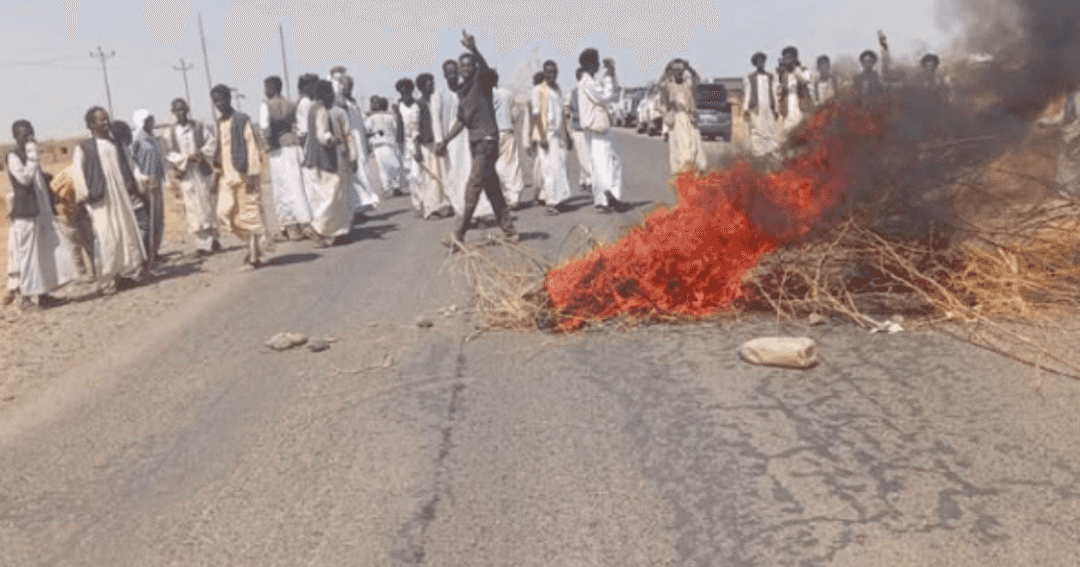
Public anger has erupted in various cities across eastern Sudan as the country faces a deepening economic crisis and the near-total collapse of its currency. Demonstrations were reported on Thursday in regions currently under the administrative and security control of the Sudanese Armed Forces, with residents taking to the streets to protest the rapidly deteriorating living conditions and the unprecedented loss of purchasing power.
The protests were largely triggered by the continued freefall of the Sudanese pound, which has plummeted to historic lows. During Thursday’s market trading, the exchange rate for the US dollar surged past the barrier of 10,000 Sudanese pounds. This represents a staggering devaluation when compared to the market conditions that existed just before the outbreak of the current conflict in April 2023, when the dollar was trading at approximately 600 Sudanese pounds.
The economic paralysis is not limited to the currency markets; reports from the affected regions indicate a widespread disruption in commercial activity. Markets in several eastern cities have ground to a halt, as shopkeepers and merchants struggle to price goods amid the hyperinflationary environment. The combination of limited supply chains and the massive currency devaluation has left many basic commodities unaffordable for the average citizen, further fueling the social unrest in areas that had previously remained relatively stable compared to the conflict-ridden zones of Khartoum and Darfur.
The eastern region, which has served as a critical hub for aid and logistics since the start of the war, is now grappling with the direct consequences of the national economic fallout. As the Sudanese pound loses its value, the ability of both the government and humanitarian organizations to provide essential services is being severely hampered. The surge in commodity prices has effectively paralyzed local trade, with many essential items becoming scarce as vendors withdraw goods from circulation to protect themselves against further currency volatility.
Observers note that these protests signify a growing frustration among the population in government-held territories, where the expectation for security and economic stability is increasingly clashing with the reality of a war-torn economy. The rapid inflation is impacting every facet of life, from the rising cost of fuel and transportation to the soaring prices of imported food staples. With the national economy struggling to maintain functionality, the localized protests in eastern Sudan highlight the precarious nature of the country’s humanitarian and economic situation nearly twenty months into the conflict. There is currently no clear indication of a stabilization plan for the currency, leaving many businesses and households in a state of deep uncertainty as they navigate an increasingly volatile financial landscape.