Libyan Parliament Replaces Central Bank Governor
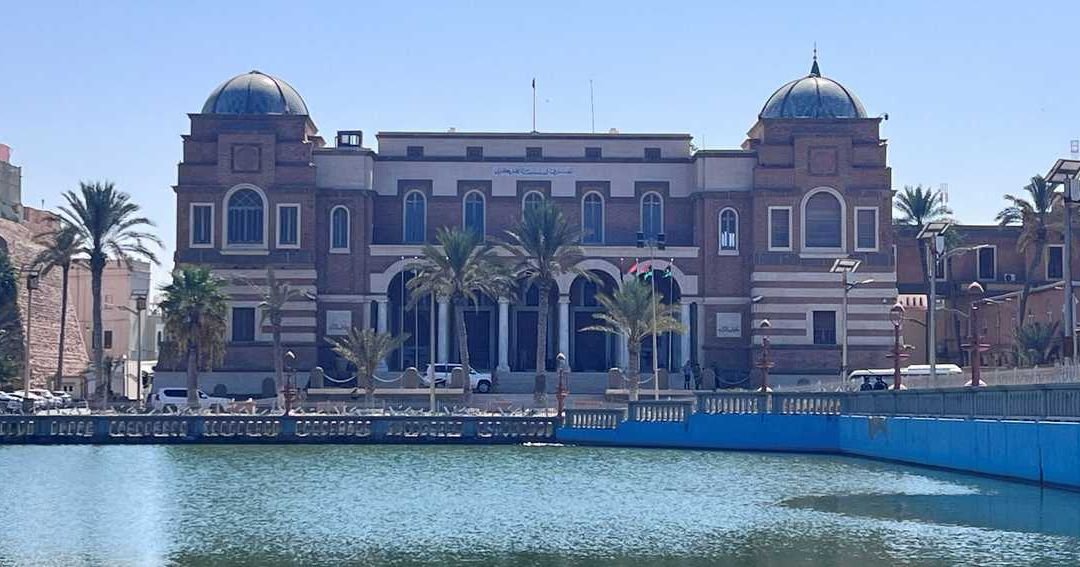
In a significant development reflecting the ongoing institutional and financial volatility within Libya, the presidency of the House of Representatives has officially moved to restructure the leadership of the Central Bank of Libya. The parliamentary body announced on Thursday that it has accepted the resignation submitted by the bank’s governor, Naji Mohamed Issa, as part of a transition process intended to stabilize the nation’s primary monetary authority.
Following the acceptance of the resignation, the House of Representatives has appointed Dr. Fawzi Misbah Abu Khazam to assume the responsibilities of the governor on a temporary, interim basis. This appointment is tasked with overseeing the essential operations of the bank during what remains a critical and sensitive period for Libya’s economic infrastructure.
The Central Bank of Libya occupies a central position in the country’s economic governance, serving as the primary custodian of its national wealth and the regulator of its monetary policy. Throughout the years of political fragmentation that have followed the 2011 revolution, the bank has frequently emerged as a focal point of institutional contestation. Its ability to maintain independent and functional operations is viewed by international observers and domestic stakeholders alike as essential for the management of the country’s oil-based economy and for maintaining the value of the national currency.
This latest leadership change comes amidst heightened efforts to resolve long-standing institutional disputes that have hampered the effective governance of state entities. By moving to replace the head of the institution, the House of Representatives is signaling its intent to exercise its oversight authority in the management of Libya’s sovereign financial institutions.
The appointment of Dr. Abu Khazam is expected to serve as a stop-gap measure to ensure that the central bank continues its core functions, including the processing of payments and the maintenance of national reserves. The transition also underscores the ongoing struggle to harmonize institutional leadership amidst a complex political landscape where multiple factions exert influence over the state’s administrative and economic apparatus.
As the interim governor takes office, the focus will remain on whether this administrative change can bring much-needed stability to the nation’s banking sector and help resolve the underlying institutional frictions that have plagued the institution. The move is seen as a strategic, albeit transitional, step in the broader effort to reform the nation’s financial systems, which are currently operating under considerable strain.
The House of Representatives has yet to outline a comprehensive timeline for a permanent replacement, noting that the focus remains on the immediate continuity of services during this period of leadership transition. Stakeholders, including the international community, continue to monitor these developments closely, given the vital role the Central Bank plays in Libya’s overall economic and political stability.