

UN Reports 306 Deaths in Sudan Drone Attacks During October
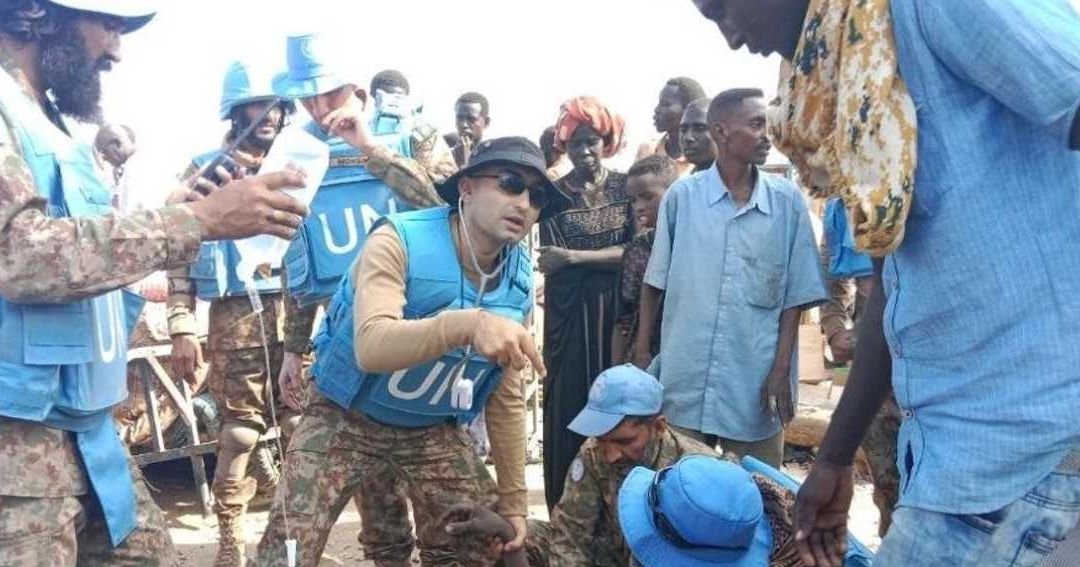
The United Nations High Commissioner for Human Rights has released alarming documentation regarding the human cost of the ongoing conflict in Sudan, confirming that at least 306 people were killed in drone attacks during the first three weeks of October. The data also indicates that hundreds more sustained injuries during the same period, marking a significant and deadly shift in the nature of warfare within the country.
According to the findings, the use of unmanned aerial vehicles has escalated dramatically, evolving into the primary driver of civilian mortality related to the conflict this year. The widespread deployment of this technology represents a lethal intensification of the hostilities, moving beyond traditional ground engagements to high-impact aerial strikes that frequently affect civilian-populated areas.
The surge in fatalities underscores the deteriorating humanitarian situation in Sudan, where the civilian population continues to bear the brunt of the military confrontation. The report highlights that the increased reliance on drone technology has contributed to a spike in casualties, as these platforms are increasingly utilized in tactical operations that carry substantial risks for non-combatants. The documented toll of 306 deaths in just 21 days provides a stark metric for the intensity of the current military campaigns and the associated collateral impact on displaced persons and civilians residing in active conflict zones.
The findings from the UN human rights commission serve as a critical record of the changing military landscape in the country. The shift toward drone warfare has not only altered the strategic dynamics between the opposing military forces but has fundamentally changed the security environment for civilians, who find themselves increasingly vulnerable to remote-operated strikes. As the violence continues to unfold, international observers remain concerned about the lack of protective measures to mitigate civilian harm during these operations.
This spike in lethal incidents coincides with broader patterns of displacement and humanitarian instability that have defined the conflict in Sudan since its onset. The focus on drone-related fatalities reflects a broader trend of technological escalation in regional conflicts, where the use of such weaponry increasingly complicates efforts to safeguard civilian life and adhere to international humanitarian standards. While the military and security entities involved in the conflict continue their operations, the human toll recorded in October serves as a grim indicator of the current trajectory of the war and the urgent need for a reduction in military activity targeting areas populated by civilians and those displaced by the fighting.