

UN Warns of Potential Ethnic Cleansing in Hebron
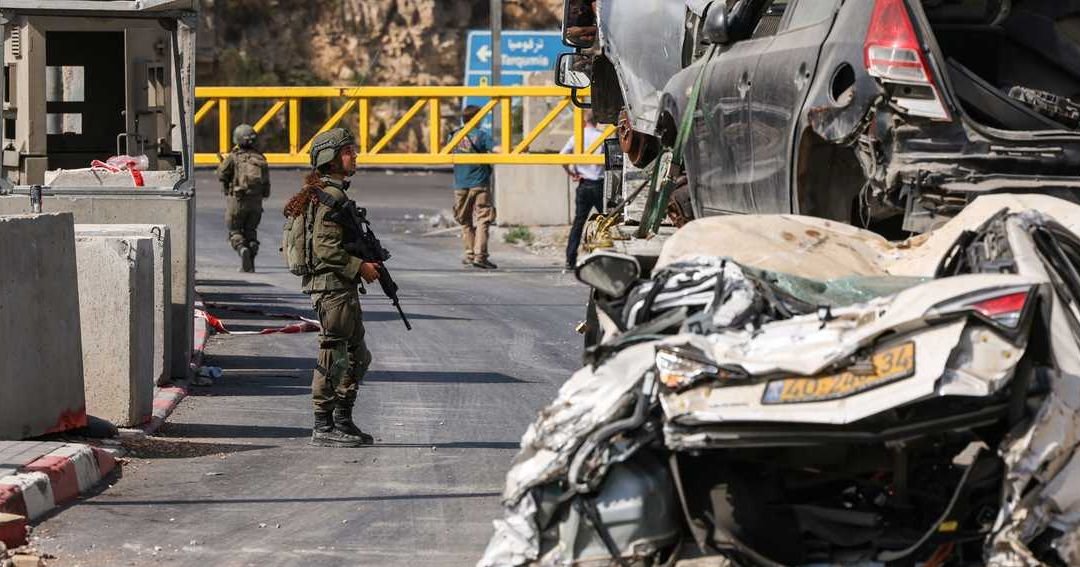
The United Nations has issued an urgent warning regarding the current military situation in the occupied West Bank city of Hebron. On Monday, the organization signaled deep alarm, stating that ongoing Israeli military operations in the area are raising serious concerns about the potential for ‘ethnic cleansing’ against the local population.
This heightened state of alert comes in the immediate aftermath of a violent security incident in which two Israeli soldiers were killed. The soldiers were targeted in an attack carried out by two Palestinian gunmen, an event that has triggered a significant escalation in military activity and movement restrictions across the city. The UN’s intervention underscores growing international anxiety regarding the proportionality of the response and the humanitarian implications for Palestinian residents living in the flashpoint city.
Hebron, a city that remains a focal point of regional friction, has long been subject to complex security arrangements. The recent military maneuvers have further constrained the daily lives of civilians, as the authorities implement measures in response to the deaths of the soldiers. Human rights observers and UN officials are closely monitoring the developments, focusing on the potential for the current military escalation to lead to the displacement of populations and the violation of international humanitarian law.
While Israeli officials maintain that such operations are essential to prevent further security breaches and to apprehend those responsible for the attack, the international body’s warning highlights the precarious nature of the current situation. The UN’s concern reflects a broader fear that the aggressive nature of the military lockdown, combined with the volatile environment of the city, could exacerbate existing tensions into a wider humanitarian crisis.
The situation in the West Bank has remained strained, with frequent security operations characterizing the atmosphere since the onset of the latest period of instability. The developments in Hebron represent a particularly sensitive case, given the city’s unique demographic and political geography. As military operations continue to unfold, the international community remains watchful, urging all involved parties to prioritize the protection of civilian life and to adhere to international legal standards that prohibit the forced transfer or displacement of protected persons in occupied territories.
At this stage, the full extent of the military operation and its long-term impact on the city’s residents remains to be seen. However, the UN’s explicit use of the term ‘ethnic cleansing’ marks a significant escalation in the discourse surrounding the Israeli-Palestinian conflict in this area, signaling that the global diplomatic body expects a high level of scrutiny to be applied to the conduct of the ongoing operation. Local leaders and residents are now caught in the crossfire of this intensified security environment, with calls for restraint echoing from various international observers as they navigate a period of significant uncertainty and risk.