

Egypt Parliament Authorizes Military Support for Saudi Arabia
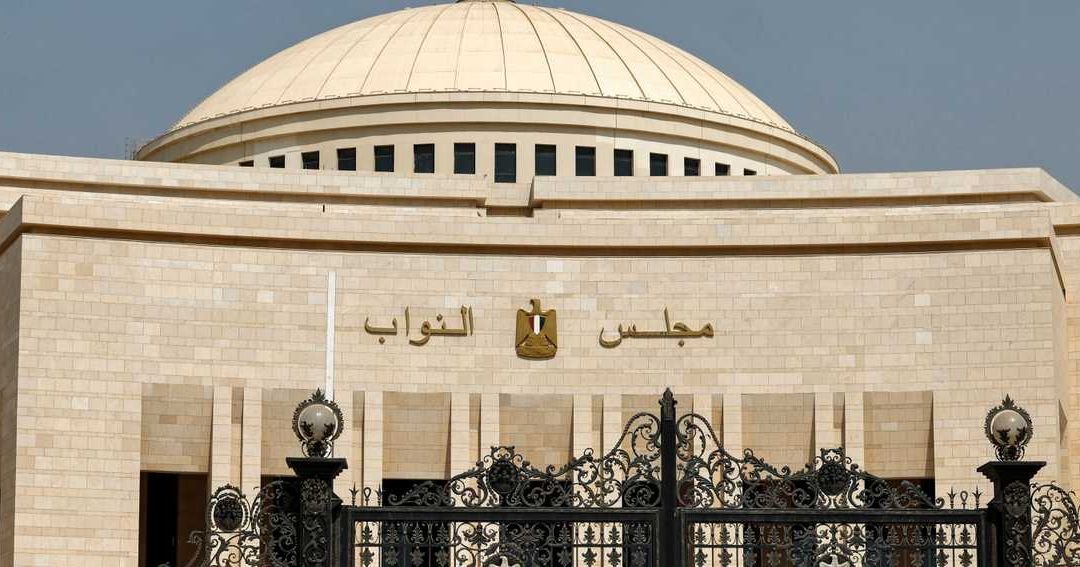
The Egyptian House of Representatives officially approved a motion on Monday granting President Abdel Fattah el-Sisi the authority to take necessary measures, in close coordination with the Kingdom of Saudi Arabia, to defend the kingdom’s territory. This legislative action marks a significant development in the strategic military and political partnership between Cairo and Riyadh.
The parliamentary authorization empowers the Egyptian leadership to intervene in support of Saudi national security, reinforcing the long-standing military alliance between the two regional powers. While the specific parameters of this support were not detailed in the mandate, the move underscores a mutual commitment to addressing regional security challenges and underscores the depth of the defense cooperation that exists between Egypt and the Kingdom.
Historically, Egypt and Saudi Arabia have maintained a robust security partnership, characterized by regular joint military exercises and high-level diplomatic consultations. This decision by the Egyptian Parliament provides a formal framework that allows the presidency to respond swiftly to potential threats or defensive requirements within the Kingdom of Saudi Arabia. The mandate aligns with Egypt’s broader foreign policy doctrine, which emphasizes the stability and security of its Gulf allies as a cornerstone of regional order.
Analysts suggest that the timing of this authorization reflects the evolving security landscape in the Middle East, where coordinated responses among Arab states have become increasingly prioritized. By securing parliamentary backing, President el-Sisi solidifies the legal and political basis for potential military involvement, ensuring that any future action is grounded in domestic constitutional approval and inter-state agreements.
The approval reflects the ongoing alignment of regional interests between Cairo and Riyadh. As both nations continue to navigate complex geopolitical tensions in the Middle East, the ability to deploy resources or strategic support in defense of one another remains a critical component of their bilateral relationship. This legislative step serves to signal to international and regional actors that the security of Saudi Arabia remains a primary concern for the Egyptian government, and that the two states remain committed to mutual defense strategies aimed at maintaining regional stability.
Further details regarding the implementation of this coordination are expected to be managed through existing security channels between the two governments, as both administrations continue to monitor threats to their respective interests and the wider stability of the region. The move effectively empowers the Egyptian executive branch to act decisively within the established framework of the security alliance with Saudi Arabia, providing both governments with greater flexibility in addressing regional security demands as they arise.