

Iraq Court Sentences Three French Nationals for ISIS Membership
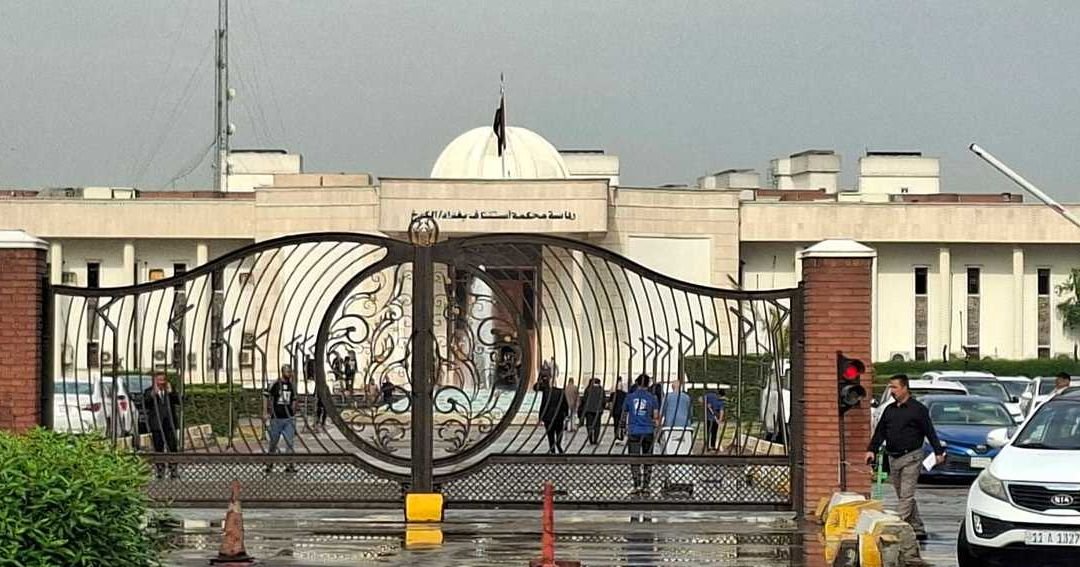
A criminal court in Baghdad has handed down 20-year prison sentences to three French nationals convicted of belonging to the Islamic State (ISIS) terror organization. The ruling, delivered by the Karkh Third Criminal Court on Thursday, marks another development in the ongoing legal proceedings in Iraq regarding foreign fighters who operated within the country and in neighboring Syria.
The judicial decision follows a series of trials in Iraq involving foreign militants captured during the anti-ISIS campaign. The three defendants were found guilty of operating as members of the extremist group, participating in the logistical and combat activities that defined the organization’s insurgency in both Iraq and Syria. The court’s ruling is consistent with Iraq’s legal framework, which holds that individuals involved in terrorist activities on Iraqi soil are subject to prosecution under local anti-terrorism statutes.
The conviction highlights the long-standing efforts of the Iraqi judicial system to hold foreign combatants accountable for the violence and destruction brought to the region during the height of the ISIS occupation. Since the liberation of major territories formerly held by the group, Iraqi authorities have processed hundreds of foreign fighters. The legal status of these individuals has remained a complex issue, involving various diplomatic considerations regarding repatriation, the nature of their crimes, and the jurisdiction of Iraqi courts over non-citizens who engaged in militant activity across regional borders.
The Karkh court proceedings were conducted in accordance with Iraq’s national laws, which impose stringent penalties for terrorism-related offenses. The defendants, as confirmed by the court, were active participants in the ranks of the extremist group, an organization that was responsible for widespread human rights abuses and the destabilization of state security in Iraq. This verdict underscores the Iraqi government’s commitment to ensuring that those who joined extremist factions remain held to account within the jurisdictions where their crimes were primarily committed.
While the trial was focused on the specific criminal actions of the three individuals, it also serves as a reminder of the enduring legal and security legacy left by the conflict. The Iraqi authorities continue to navigate the logistical challenges of housing and trying foreign detainees, a process that requires maintaining rigorous judicial standards while dealing with the international implications of such high-profile terrorism cases. The sentencing of the three French nationals by the Baghdad court is the latest in a line of similar rulings that reflect the severity with which the Iraqi state addresses threats to its sovereignty and the regional security landscape.