Israel Develops Strategic Plan to Counter Potential Multi-Front Conflict
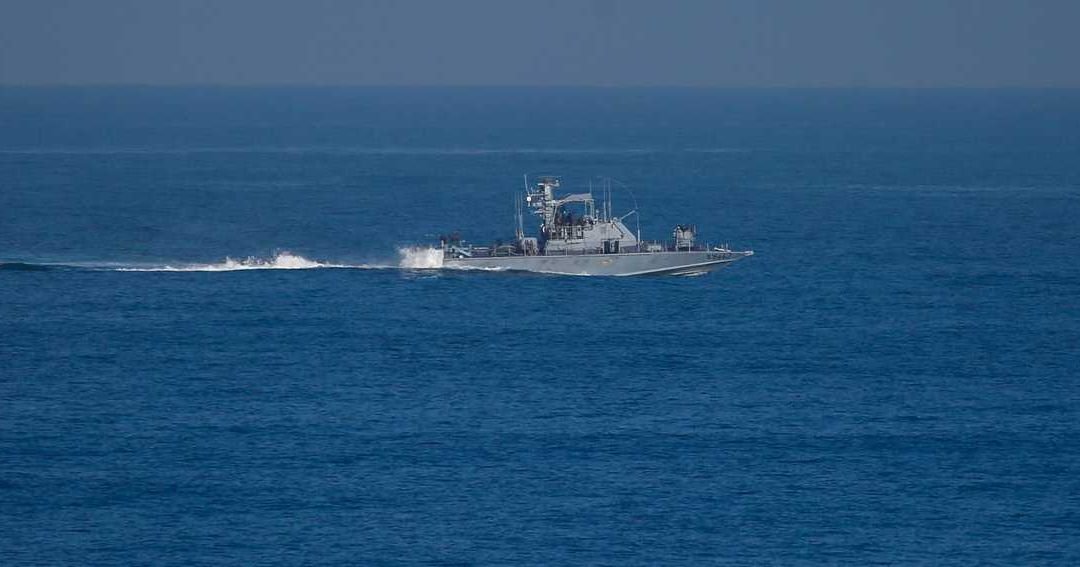
The Israeli military is reportedly finalizing a comprehensive strategic plan designed to counter a potential multi-front conflict. This development follows security assessments indicating that Tehran may attempt to activate its regional network of allies simultaneously should it face a direct confrontation.
According to recent reports from the Israeli media, defense officials have identified a growing concern regarding the synchronization of various non-state actors operating within the region. The security strategy is being built on the premise that Iran could seek to overwhelm Israel’s defensive capabilities by orchestrating coordinated military actions from several key geographic areas at the same time.
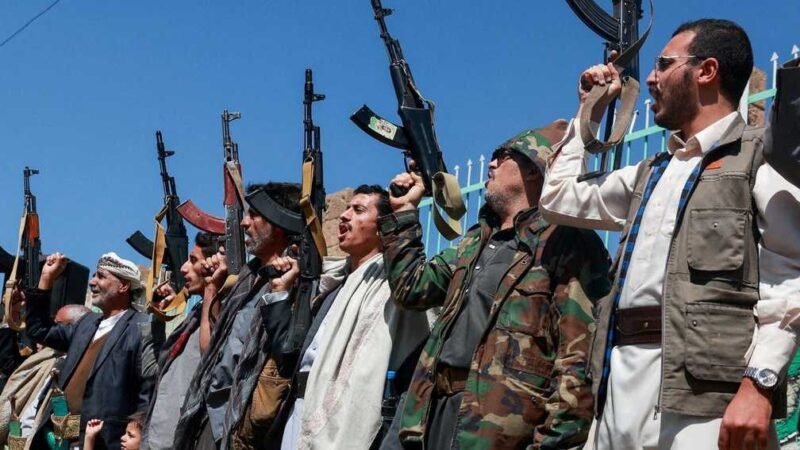
The core of the emerging Israeli security doctrine focuses on the neutralization of these threats, particularly the role of Hezbollah in Lebanon, which remains a primary concern for the Israeli military command. Alongside the situation in Lebanon, the plan accounts for potential escalations involving Houthi forces in Yemen and various armed factions operating within the Gaza Strip.
Military analysts suggest that the integration of these fronts represents a significant shift in regional threat assessments. The Israeli defense establishment is prioritizing the development of robust defensive measures and enhanced operational readiness to manage what it describes as a possible ‘unification of arenas’ by Tehran. By proactively addressing these potential security challenges, the Israeli military aims to improve its ability to respond effectively to hostile actions originating from multiple borders simultaneously.
The strategic planning process reflects an ongoing reassessment of the security landscape in the Middle East. As regional tensions persist, Israel is placing greater emphasis on its capacity to deter and, if necessary, mitigate multi-dimensional threats to its national security. The focus remains on maintaining operational flexibility to handle localized escalations while simultaneously preparing for a more complex, theater-wide contingency that could see coordinated strikes from several of Iran’s regional partners.
These defensive preparations are part of an ongoing effort to ensure that the Israeli armed forces can handle dynamic, fast-moving security challenges across its borders. While the specific tactical details of the plan remain undisclosed, it is clear that the military is placing a premium on intelligence-led operations and technological superiority to neutralize the risks posed by the diverse array of armed groups aligned with Iran. The situation continues to be monitored closely as regional stability remains highly sensitive to shifts in the posture of these non-state actors and their external supporters.