

Lebanese Military Court Charges 13 Over Hezbollah Explosives Case
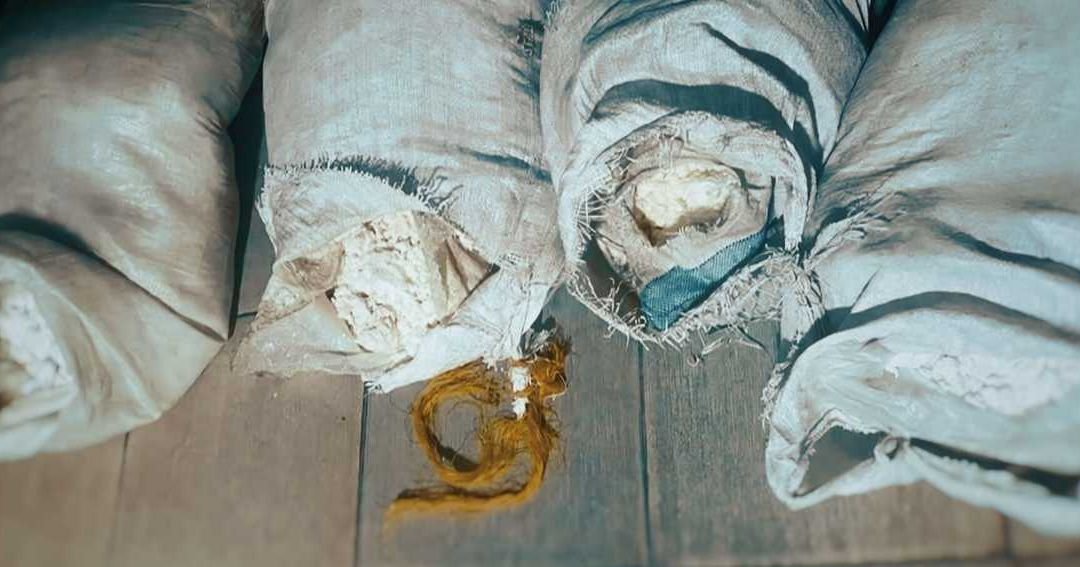
Lebanon’s military judiciary has formally indicted 13 individuals in a high-profile case involving the transport of a significant quantity of explosives. The legal development concerns a shipment of 500 kilograms of explosive material, which the militant group Hezbollah has previously confirmed as its own property. According to a judicial source, the military court is now moving forward with the legal proceedings against those allegedly involved in the logistics and transport of the illicit cargo.
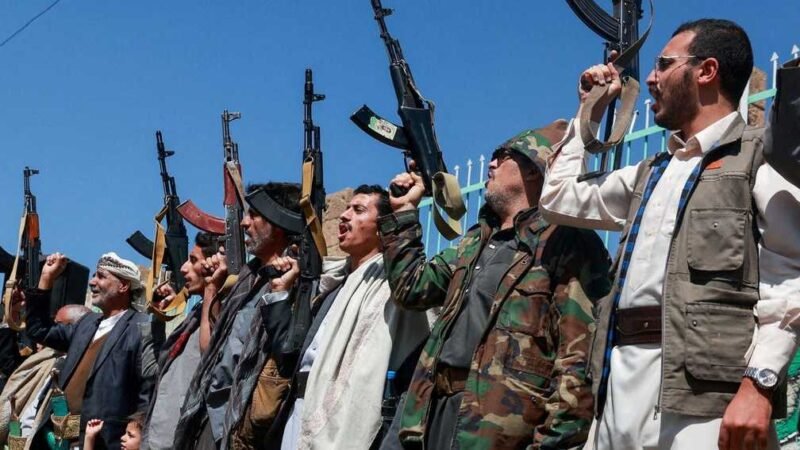
The case has ignited a sharp response from Hezbollah. In an official statement, the group rejected the legal action, describing the indictments as inherently unfair. Furthermore, the organization characterized the court’s decision as being subject to external political dictates, signaling a deepening divide between the country’s legal institutions and the influential armed group. The incident highlights the ongoing tensions regarding the state’s authority versus the activities of non-state actors operating within Lebanese borders.
The military judiciary’s move to prosecute these individuals marks a significant moment in the intersection of Lebanon’s legal framework and the country’s complex security environment. By pursuing charges related to a large cache of explosives, the court is addressing a matter that directly implicates the movement’s declared weapons arsenal. The public acknowledgment by Hezbollah of its ownership of the materials, combined with the subsequent judicial pushback, underscores the delicate and often adversarial relationship between the Lebanese state and its most powerful political and military entity.
As the investigation proceeds, the case is being closely watched for its implications on the country’s fragile political stability. The indictment of 13 suspects suggests a concerted effort by the military court to exert oversight on security matters, despite the resistance and criticism from Hezbollah. The confrontation reflects broader challenges within the Lebanese state, where judicial independence and the enforcement of the rule of law frequently collide with the political realities of a state within a state. There have been no further details provided regarding the identities of the accused or the specific timeline for the judicial hearings. The proceedings remain a point of contention, illustrating the difficulties in navigating security-related legal challenges in a nation grappling with persistent governance issues and sectarian political pressure. The standoff over this explosives shipment is likely to continue as a focal point in the debate over state sovereignty and the role of autonomous military groups within Lebanon.