UN Fact-Finding Mission Warns of Rising Dangers in Sudan
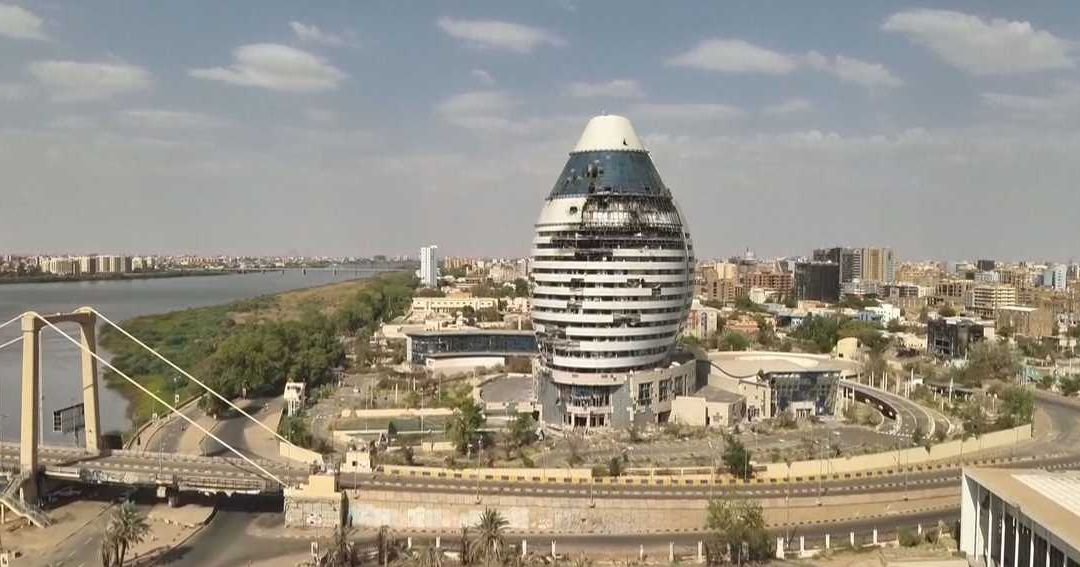
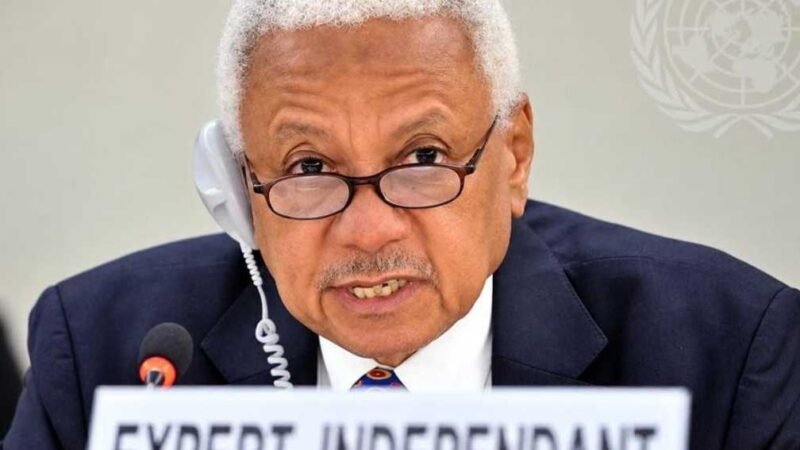
A United Nations independent fact-finding mission has issued a stark warning regarding the deteriorating security and human rights situation in Sudan. The report highlights that the intensifying use of drone strikes, alongside widespread repression and the severe restriction of civil liberties, is imposing a devastating toll on the civilian population. According to the mission, these developments are not only causing immediate humanitarian harm but are also fundamentally undermining the prospects for a genuine and inclusive Sudanese-led dialogue aimed at resolving the ongoing conflict.
The findings underscore the precarious nature of life for millions of Sudanese citizens who continue to bear the brunt of the military confrontation. The report specifically points to the increasing reliance on drone technology, which has exacerbated the risks to non-combatants and complicated efforts to establish humanitarian access in various regions across the country. By targeting areas where civilians are concentrated or seeking refuge, these aerial tactics have significantly heightened the atmosphere of insecurity, hindering the movement of aid and the functioning of essential services.
Furthermore, the fact-finding mission expressed grave concern over the shrinking space for civil society and the suppression of political and human rights discourse. The report argues that for any peace process to be credible, it must be rooted in the active participation of a broad spectrum of Sudanese stakeholders, including civil society organizations, grassroots groups, and community leaders. However, the current environment—characterized by intimidation and the suppression of dissenting voices—is effectively sidelining these essential actors. This restriction of civic space creates a significant barrier to the restoration of institutional trust and the eventual transition toward a stable, democratic future.
The mission warned that if the trend of escalation and repression persists, the potential for a peaceful resolution will continue to recede. The international body emphasized that the current state of affairs is inherently unstable and that immediate de-escalation is required to prevent further fragmentation of the country. Without a commitment to protecting the rights of the civilian population and fostering an environment where dialogue can take place without fear of reprisal, the path to ending the hostilities remains obstructed.
As the conflict enters another challenging phase, the findings serve as a critical reminder of the intersection between military conduct and the political viability of a peace process. The report concludes by calling on all parties to respect their international legal obligations and to prioritize the safety and security of the Sudanese people, which is identified as the prerequisite for any meaningful national conversation. The mission’s assessment aligns with broader regional concerns that the continued volatility in Sudan remains a significant source of instability, necessitating focused international attention to facilitate a sustainable, inclusive, and Sudanese-owned path toward national reconciliation.