Houthi Group Accused of Using Toxic Agents in Taiz
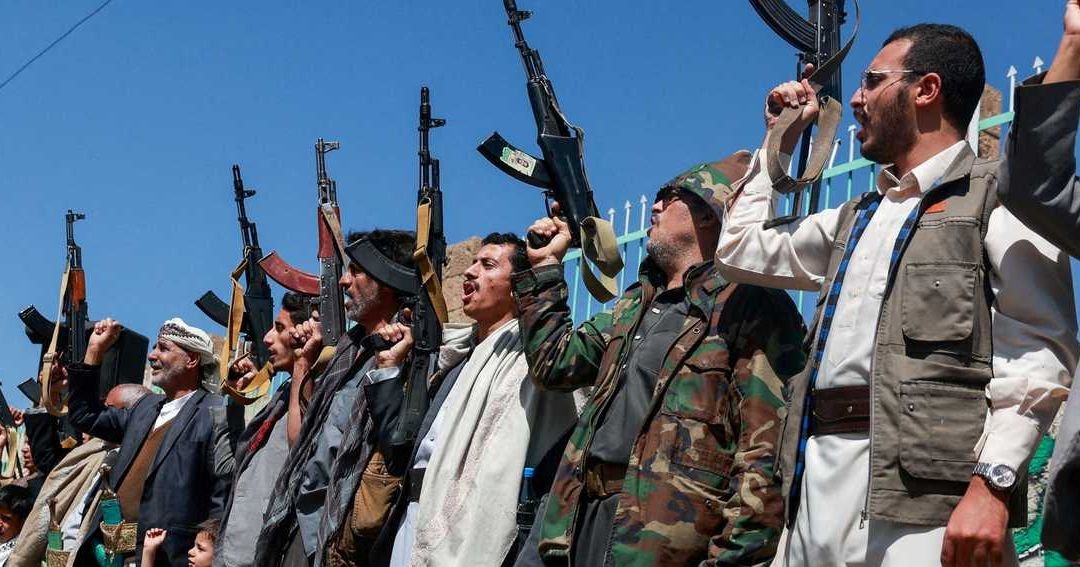
The Houthi group is facing serious allegations involving the use of projectiles suspected of containing toxic substances in Yemen’s Taiz province. These reports follow multiple accounts of civilians and members of the Popular Resistance forces suffering from sudden symptoms of suffocation and loss of consciousness following attacks in the region. The emerging details have sparked widespread concern and heightened calls for an immediate, independent technical investigation to verify the nature of the materials used and to hold the responsible parties accountable.
Local sources indicate that the affected individuals reported experiencing severe respiratory distress and fainting spells, signs often associated with exposure to hazardous chemical agents. These incidents have drawn significant attention from both local observers and international stakeholders who monitor the humanitarian situation in Yemen. The use of such weapons would represent a severe escalation in the ongoing conflict, potentially violating international humanitarian norms regarding the use of prohibited or hazardous armaments in civilian-populated areas.
In response to the mounting reports, there is a growing consensus among local stakeholders and observers that a transparent, international probe is essential. Such an inquiry would be tasked with collecting forensic evidence from the sites of the alleged attacks, analyzing medical data from the victims, and identifying the specific chemical agents involved. The demand for an international presence in these investigations stems from a lack of trust in domestic mechanisms to provide an impartial assessment given the deeply polarized nature of the current conflict.
The situation in Taiz remains precarious, as the province has long been a focal point of intense fighting and humanitarian hardship. The alleged deployment of toxic materials adds a new, alarming dimension to the violence that has plagued the area for years. International human rights organizations have frequently warned that the conduct of various parties in the Yemeni conflict must adhere to the laws of war, which strictly prohibit the use of chemical or toxic weapons. If proven true, these allegations would likely trigger a strong reaction from the international community and intensify the pressure for a formal verification process.
As of now, the call for a technical and international mission to investigate these reports remains the primary objective for those seeking accountability. Determining the origin and the chemical composition of the projectiles is viewed as a critical step in preventing future occurrences and ensuring that the safety of civilians—who are already suffering from the broader impacts of the war—is prioritized. For now, the focus remains on the urgent need for verifiable data to clarify the gravity of these reports and the subsequent diplomatic or legal measures that may follow, depending on the findings of such an investigation.