Former MINURSO Chief Calls for Mission Closure, Backs Moroccan Plan
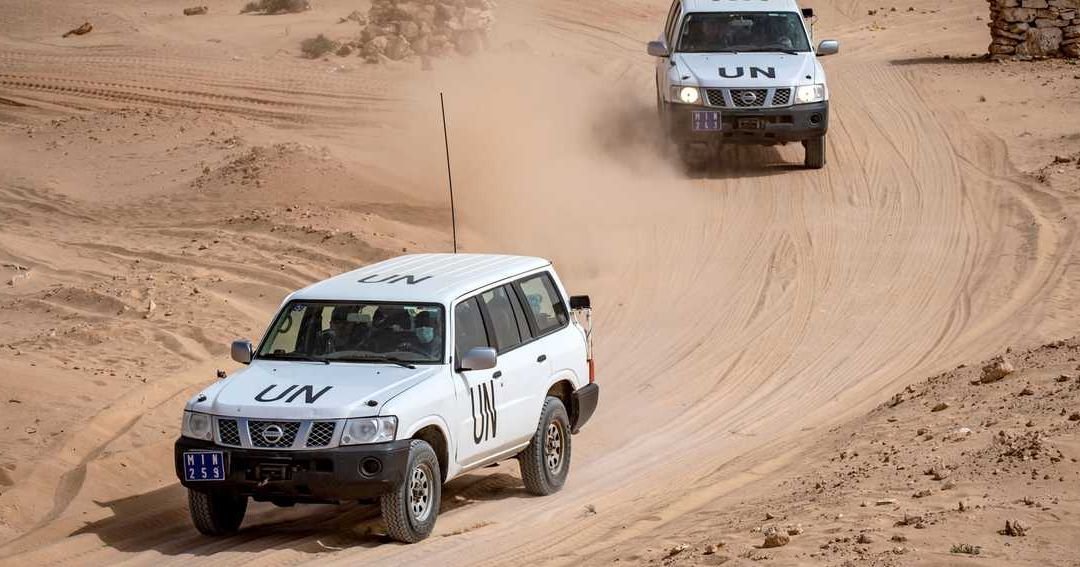
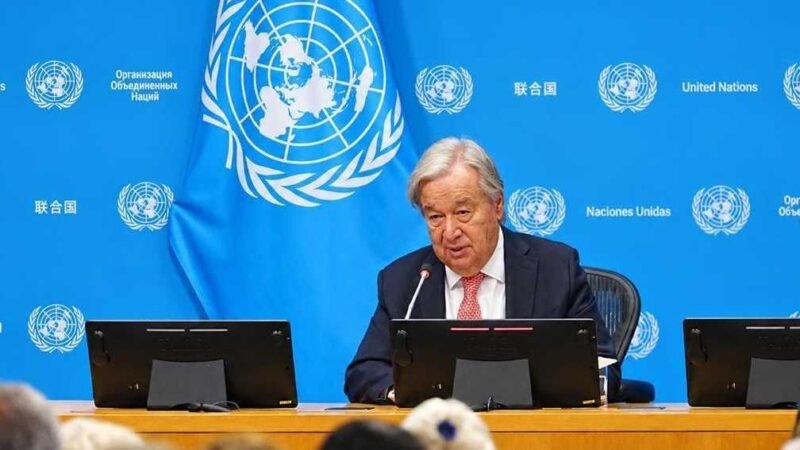
Julian Harston, the former head of the United Nations Mission for the Referendum in Western Sahara (MINURSO), has publicly advocated for the termination of the peacekeeping mission. Harston’s comments reflect a growing debate regarding the long-term effectiveness of the UN presence in the region and the viability of current diplomatic frameworks in resolving the decades-old dispute.
In a recent assessment of the situation, the former mission chief argued that the mandate of MINURSO has effectively run its course. Harston suggested that the mission’s continued operation is no longer the most constructive path forward for achieving a lasting settlement. Instead, he underscored the potential of the Moroccan Autonomy Plan as the most pragmatic and sustainable solution to the conflict.
Under the Moroccan proposal, the Sahara region would operate under a framework of regional autonomy while remaining under the sovereign authority of Morocco. Harston’s endorsement of this model signals a shift in perspective among some high-level international observers who have closely followed the evolution of the dispute. By favoring the autonomy initiative, proponents argue that the focus should shift away from the rigid mechanisms of the past and toward a political solution that provides local governance within the established sovereignty of the Kingdom.
MINURSO was originally established in 1991 to monitor a ceasefire and to facilitate a referendum on self-determination for the territory. However, in the years since, the international community has increasingly moved toward supporting efforts to reach a political, realistic, and mutually acceptable compromise. The Moroccan Autonomy Plan has garnered significant international support from various global powers, who view it as a serious and credible foundation for negotiations aimed at ending the regional impasse.
The call for the closure of the mission highlights the frustration held by many regarding the perceived lack of progress in the UN-led process. Critics of the mission’s ongoing status often point to the high financial and political costs associated with maintaining a presence that has not yielded a final diplomatic breakthrough. For these observers, the priority must be to transition from a status-quo-focused peacekeeping mandate toward a political process that recognizes the contemporary realities of the region and facilitates deeper integration through the proposed autonomy framework.
As the international community continues to weigh the future of the Sahara dispute, the intervention of figures with direct experience in the field, such as Harston, serves to sharpen the focus on alternative solutions. The push for the autonomy plan, coupled with the call to reconsider the utility of the UN mission, remains a central theme in the evolving diplomatic discourse surrounding the future of the territory.