Moroccan Sahara Dispute Stalls Following UN Security Council Session
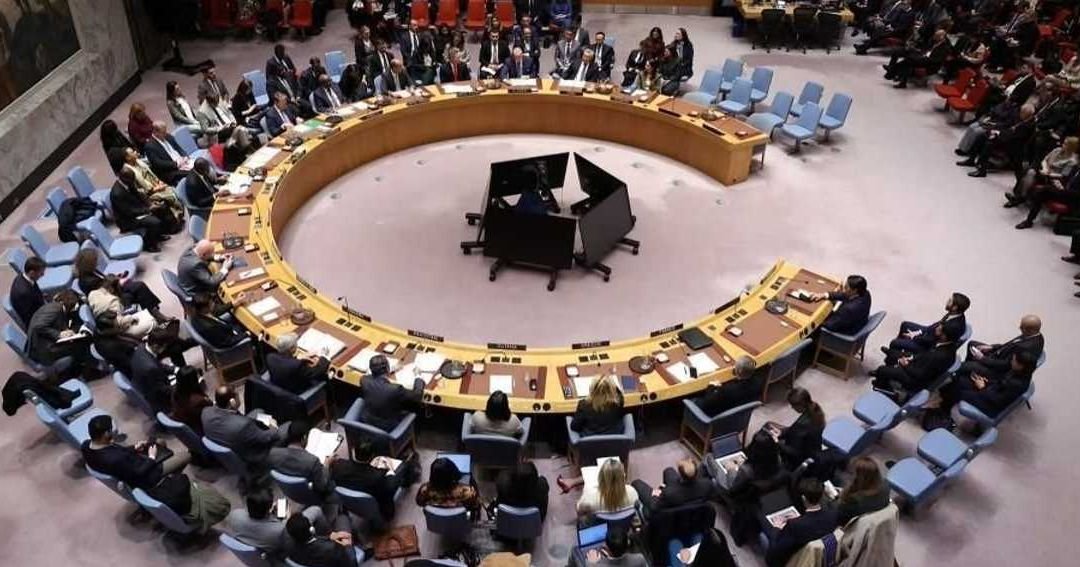
The status of the Moroccan Sahara and the future of the United Nations mission tasked with overseeing the region have entered a period of uncertainty following a recent UN Security Council session. The meeting concluded without the adoption of a draft resolution regarding the mandate and operations of the United Nations Mission for the Referendum in Western Sahara (MINURSO), marking a significant diplomatic impasse within the international body.
The deadlock occurred after the draft resolution, which was put forward by the United States, failed to secure the necessary consensus. Reports indicate that the proposal faced a veto from Russia, which effectively blocked its passage. Conversely, a counter-proposal introduced by Russia also failed to garner the required level of international support among council members, leaving the mission’s immediate path forward without a clear path of consensus.
The diplomatic tensions highlight the ongoing complexities surrounding the international efforts to address the region’s status. MINURSO, which has operated in the territory for decades, remains a critical point of contention in international diplomacy. The inability of the Security Council to align on the text of a resolution underscores the competing geopolitical interests that continue to influence the discourse regarding the Moroccan Sahara and the administration of the mission.
As the international community grapples with this diplomatic gridlock, observers are closely monitoring the next steps for the Security Council. The lack of an adopted resolution leaves the operational parameters and the future framework for the mission in a state of flux. While the session served as a focal point for international deliberation on the issue, the outcome serves as a reminder of the deeply entrenched positions held by various stakeholders within the global arena.
For the time being, the situation remains in a fragile state, with observers waiting to see whether further diplomatic efforts can bridge the gaps that prevented an agreement on the resolution. The failure to reach a consensus reflects the broader challenges that the UN often faces when dealing with longstanding regional disputes, particularly where the interests of major world powers are involved. The coming weeks are expected to be critical as the UN and concerned parties navigate the implications of this recent legislative setback, with the future of MINURSO’s mandate resting on the potential for renewed dialogue and eventual compromise at the Security Council level.