

Trump: Iran Seeks Settlement, No Rush for Military Action
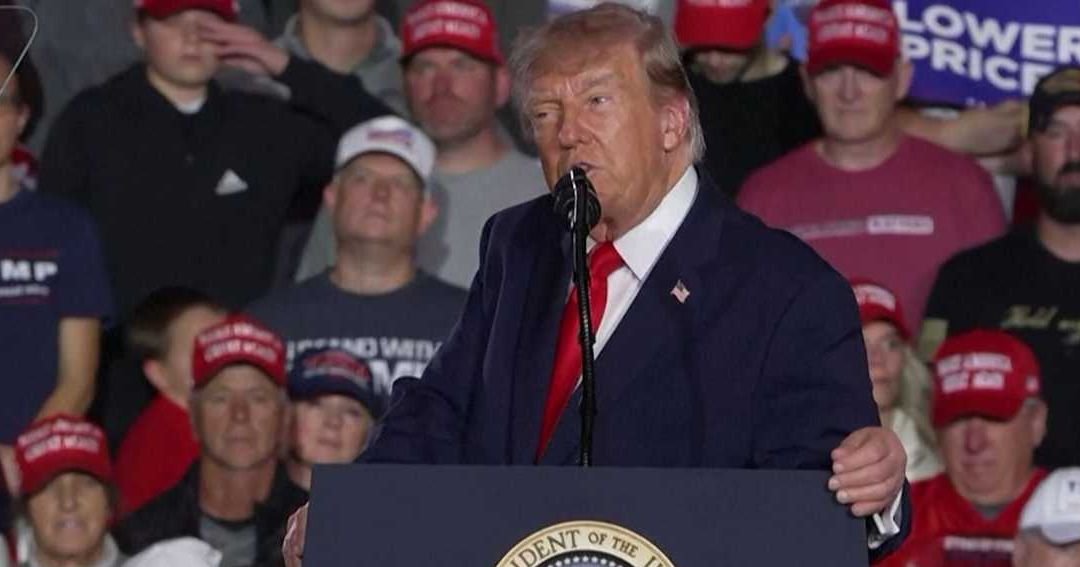
Former US President Donald Trump has suggested that the leadership in Tehran is interested in reaching a settlement with the United States, indicating that there is currently no need to expedite military action against Iran.
In recent remarks regarding the ongoing tensions between Washington and Tehran, the former president emphasized that while the situation remains sensitive, the current climate does not necessitate an immediate escalation of hostilities. His comments highlight a preference for a diplomatic approach to address the underlying frictions that have characterized the relationship between the two nations.
For years, the geopolitical landscape of the Middle East has been defined by the fluctuating state of relations between the United States and Iran. These tensions have frequently centered on Iran’s regional influence, its nuclear program, and the broader security architecture of the Persian Gulf. By stating that Iran ‘wants a settlement,’ Trump points to a potential shift in the regional security calculus, suggesting that the pressure points currently applied may be yielding a willingness from the Iranian side to engage in dialogue.
The emphasis on ‘no need to rush’ regarding a war suggests a strategic pivot, prioritizing the possibility of a negotiated outcome over an active military engagement. This perspective is particularly significant for regional stability, as any military confrontation involving Iran would have extensive consequences for the Middle East, potentially disrupting maritime security, energy supply chains, and the strategic balance of power in neighboring countries such as Iraq and the nations of the Gulf Cooperation Council.
Observers of Middle Eastern affairs have long noted the volatility inherent in the U.S.-Iran relationship. Whether this sentiment from the former president translates into a formal diplomatic framework remains to be seen, but his public assessment underscores a clear acknowledgment of the preference for avoiding a wide-scale conflict. For now, the focus remains on whether these reported overtures can lead to a de-escalation of the tensions that have dominated regional and international discourse for much of the past decade.
The statement serves as a notable update on the rhetoric surrounding one of the most critical geopolitical challenges facing the region. As international and regional actors monitor the situation, the possibility of a diplomatic settlement remains a focal point for those seeking to maintain stability across the Middle East. The developments highlight the ongoing complexities of managing a relationship where security concerns and political interests remain deeply intertwined.