Iran Claims Rational Response to US to Avert Further Conflict
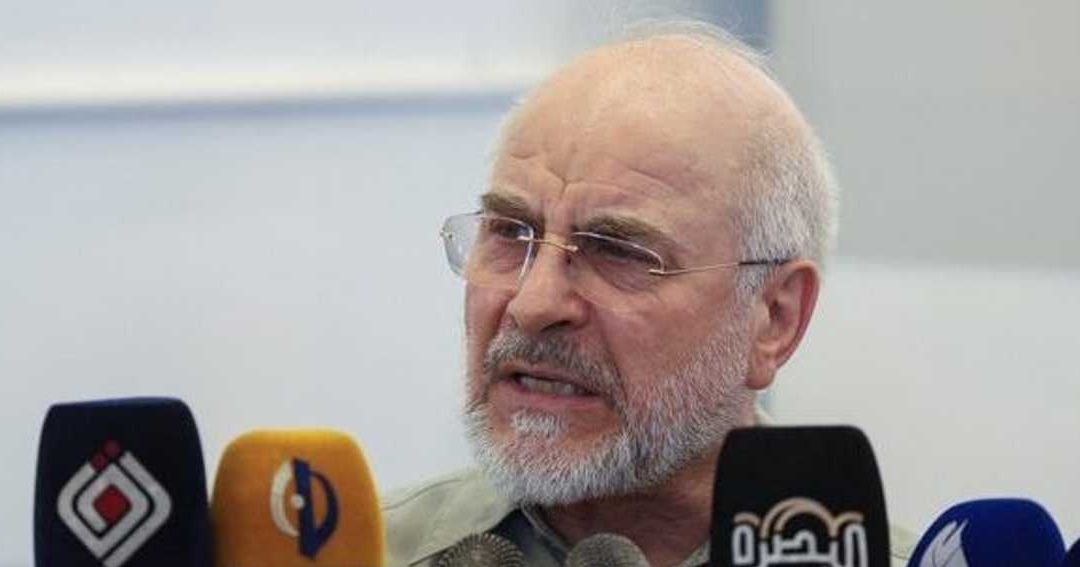
Iranian Parliament Speaker Mohammad Bagher Ghalibaf declared on Tuesday that Tehran has delivered a “strong and rational” response intended to prevent the escalation of hostilities in the region. Speaking in the aftermath of recent diplomatic and security maneuvers, Ghalibaf indicated that the initiative now lies with the United States to de-escalate tensions and prevent the eruption of a broader conflict.
During his address, the parliamentary leader underscored that Iran’s recent actions were calculated and deliberate, aimed at signaling its position while maintaining the possibility of a diplomatic resolution. However, he accompanied this call for restraint with a stern warning regarding the country’s current state of military preparedness. Ghalibaf emphasized that despite the preference for a rational path to avoid war, the Islamic Republic remains fully prepared for a confrontation, stating that the nation’s “finger is on the trigger.”
This statement reflects the delicate balancing act currently characterizing Iran’s foreign and security policy. By framing the government’s recent decisions as a logical and measured response, officials in Tehran appear to be aiming to consolidate domestic sentiment while signaling to international observers that the risks of further escalation are primarily the responsibility of the United States.
The focus on the “ball being in Washington’s court” suggests that Tehran is attempting to leverage its recent actions to put pressure on the Biden administration. The rhetoric from the parliamentary speaker highlights a strategy of projecting strength and readiness to engage in combat if provoked, while simultaneously holding the United States accountable for the future trajectory of regional stability.
The timing of these comments follows a series of regional developments that have kept tensions high. By asserting that its response was rooted in rationality rather than impulsive reaction, the Iranian leadership seeks to portray its current stance as a defensive measure intended to protect national sovereignty and regional influence.
As the situation remains volatile, the message from Tehran remains consistent: that any further escalation will be a consequence of US policies, and that Iran is prepared for any eventuality. Whether this rhetoric will lead to a cooling of tensions or serve as a precursor to further regional friction remains to be seen, as both parties monitor the security landscape closely. For now, the Iranian position is clearly centered on the necessity of a US response to avoid any further deterioration of the security environment, while maintaining a posture of total military readiness should the current diplomatic stalemate break.