

Egypt Faces Drug Price Pressures Amid Currency Fluctuations
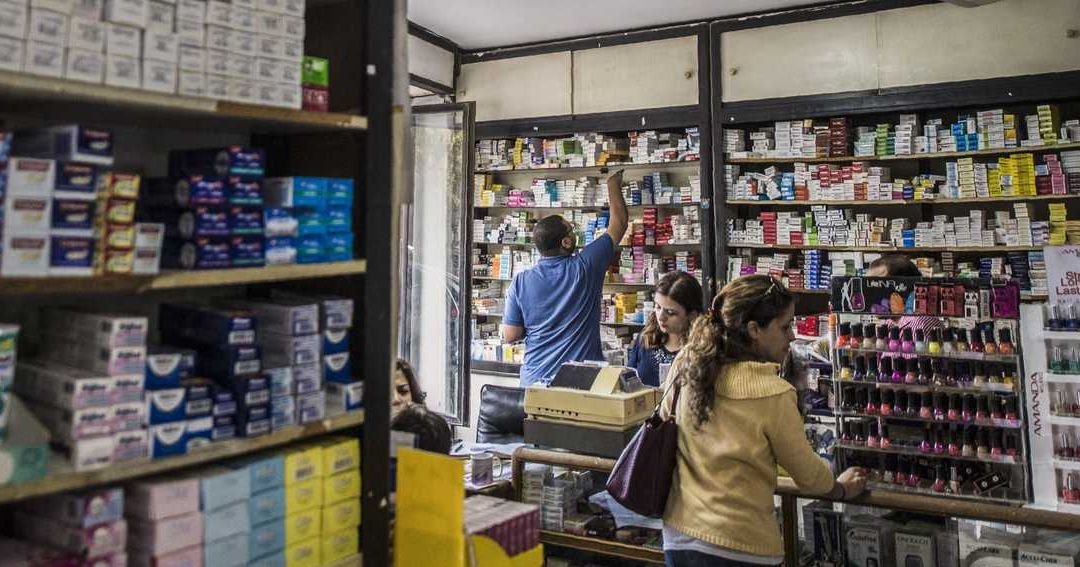
The recent movements in the valuation of the Egyptian pound against major foreign currencies have ignited renewed debate regarding the future of pharmaceutical prices across the country. As the exchange rate fluctuates, concerns are mounting over the potential impact on both the affordability of essential medications for patients and the operational stability of Egypt’s domestic pharmaceutical manufacturing sector.
At the core of the issue is the industry’s significant dependence on global supply chains. A substantial portion of the raw materials and essential components required for the local production of medicines must be imported, necessitating a constant requirement for foreign currency. The reliance on these imports means that any shift in the exchange rate directly influences the overhead costs for manufacturers, who are now grappling with the challenge of maintaining output without placing an unsustainable financial burden on the end consumer.
Industry experts and market observers are closely monitoring whether the local market possesses the necessary resilience to absorb these currency fluctuations. The primary objective for stakeholders remains the prevention of a scenario where cost-push inflation leads to drastic price hikes, which could limit access to vital health treatments. The pharmaceutical sector in Egypt is a critical component of the national healthcare system, and the current economic climate is placing significant pressure on the delicate balance between maintaining accessible pricing for the public and ensuring the commercial viability of pharmaceutical firms.
While the government and regulatory bodies have historically sought to mitigate the impact of economic reforms and currency instability on essential goods, the pharmaceutical sector presents a unique set of challenges. Because medicine is considered a strategic commodity, any disruption in supply or significant escalation in price carries immediate socio-economic implications. Manufacturers are currently assessing the extent to which they can optimize production costs internally to buffer against the broader macroeconomic volatility. However, without a stabilization of the currency, the margin for maneuver continues to tighten.
The situation underscores a broader challenge facing the Egyptian economy: the need to deepen the localization of industrial inputs. As long as the sector remains highly sensitive to international price volatility for raw materials, the specter of periodic price reviews and supply constraints will likely persist. For the millions of Egyptians who rely on the local pharmaceutical industry for their daily health needs, the coming months will be critical in determining how the state and private entities navigate these fiscal pressures while safeguarding public health.