

Skepticism Surrounds Reports of Ahmed Haroun’s Arrest in Sudan
Speculation and skepticism have emerged regarding recent reports claiming that Ahmed Haroun, a prominent figure within the Sudanese Islamic Movement, has been taken into custody. The announcement, which surfaced shortly after Haroun appeared in a recorded media interview, has been met with doubt by regional observers and political analysts.
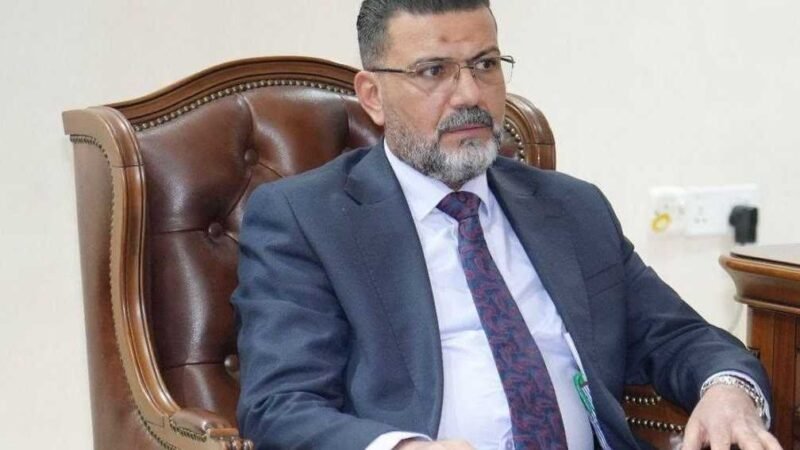
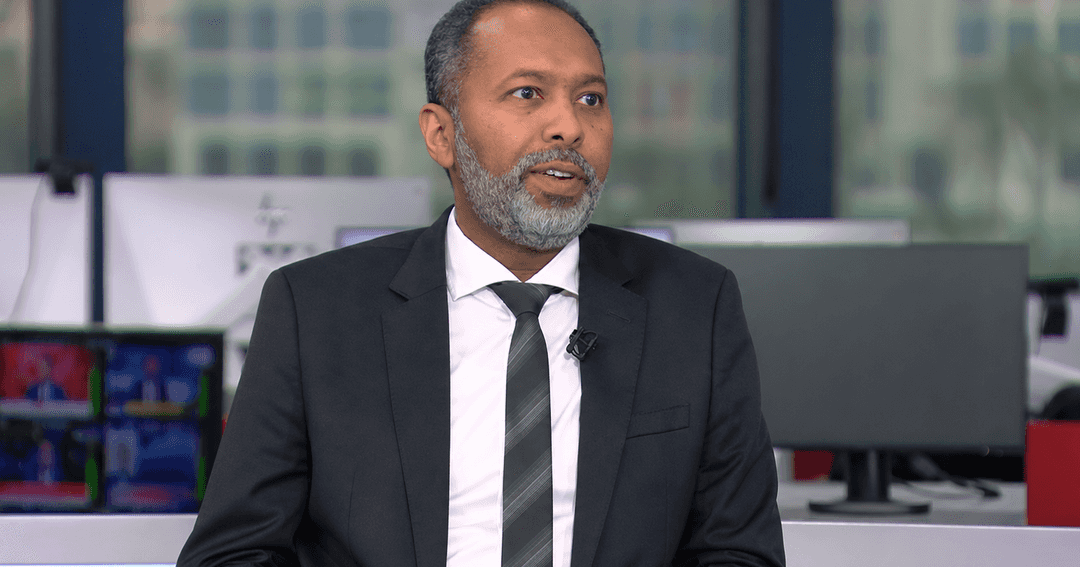
Khaled Omar, a specialist in Sudanese affairs, has publicly questioned the veracity of the arrest reports. According to his assessment, the narrative surrounding Haroun’s supposed detention is likely a calculated maneuver intended to appease growing public dissatisfaction. Omar argues that the timing of these claims, coming directly on the heels of Haroun’s public re-emergence, serves a strategic political purpose for the current military leadership.
Observers suggest that by promoting reports of an arrest, the Sudanese Armed Forces (SAF), currently led by General Abdel Fattah al-Burhan, may be attempting to distance themselves from the remnants of the former regime associated with the National Congress Party. For the military leadership, distancing its current operations from the political baggage of the Bashir-era Islamic Movement is considered a vital step in managing the intense scrutiny and anger currently directed at the military from both domestic and international fronts.
Ahmed Haroun remains a highly controversial figure in Sudan’s political landscape. His association with the Islamic Movement and his history during the previous administration have made him a focal point for those seeking accountability for the country’s political crises. His sudden appearance in a recorded interview earlier this week caught many by surprise, as his whereabouts and status had been subject to intense speculation for months. The subsequent claims of his arrest are viewed by critics not as a genuine security development, but as a symbolic gesture designed to project an image of change and non-alignment with the former power structure.
As the internal power struggle in Sudan continues, the narrative control exercised by the warring parties remains a central component of the conflict. The skepticism expressed by analysts underscores the deep mistrust of official military announcements as the country navigates a protracted period of instability. While the military continues to face pressure to demonstrate a clear separation from the political actors of the past, the validity of such security updates remains, for many, deeply suspect.
At the time of this report, there has been no independent verification of Haroun’s status, leaving the political climate in Khartoum increasingly volatile as stakeholders continue to grapple with the complexities of the transition and the influence of various political factions.