G7 Urges Sudan’s Warring Parties to End Hostilities
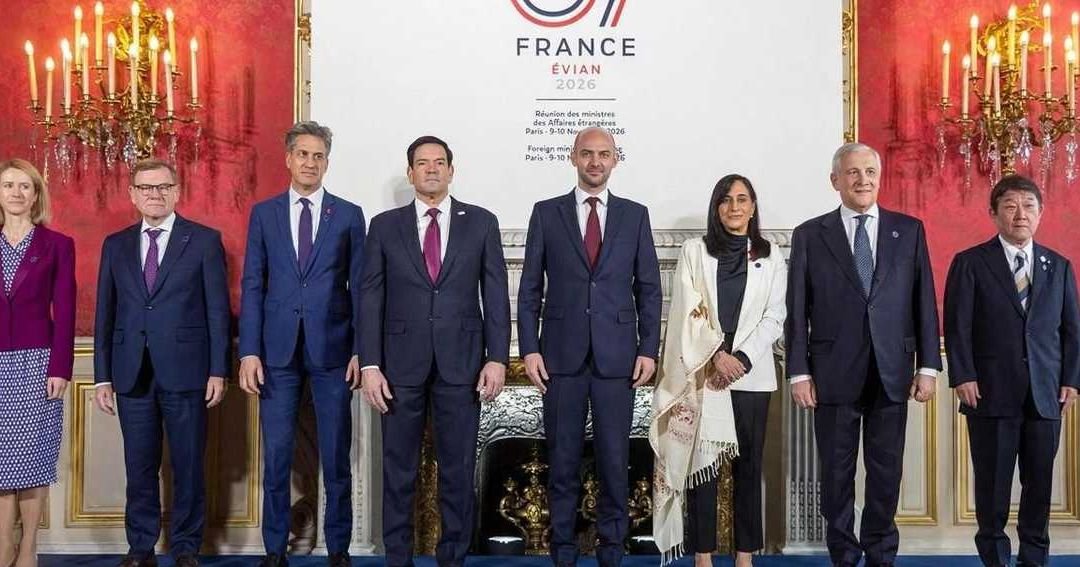
The Group of Seven (G7) has issued a formal appeal to the warring factions in Sudan, demanding an immediate cessation of hostilities and a commitment to international humanitarian law. In a recent statement, the bloc urged both the Sudanese Armed Forces (SAF) and the Rapid Support Forces (RSF) to halt the ongoing violence that has devastated the country and sparked a severe regional humanitarian crisis.
Following months of intensifying conflict, the G7 underscored the urgent need for a transition toward a sustainable political process. The international coalition called for the implementation of a permanent ceasefire and the immediate opening of humanitarian corridors to ensure that life-saving assistance can reach affected civilian populations without obstruction. The call marks a significant diplomatic push to address the deteriorating conditions on the ground, where millions remain displaced and face acute food and medical shortages.
Central to the G7’s position is the expectation that both military parties must adhere to their obligations under international law. The bloc highlighted the imperative to protect non-combatants and put an end to the widespread human rights violations that have characterized the conflict since it erupted last year. By advocating for a structured, civilian-led dialogue, the G7 aims to create a viable pathway out of the current power struggle, which has consistently hindered diplomatic efforts to restore stability.
This call for a civilian-inclusive dialogue reflects growing international pressure to prioritize political stability over military dominance. The G7 emphasized that a lasting resolution to the crisis cannot be achieved solely through military action, and that the parties must engage in meaningful negotiations to chart a peaceful future for Sudan. The statement serves as a stern reminder of the international community’s concern regarding the potential for further fragmentation and instability within the region.
The G7’s intervention aligns with broader diplomatic efforts to stabilize the situation, focusing on humanitarian relief and the re-establishment of civil authority. As the humanitarian situation continues to reach critical levels, the international demand for the protection of aid routes and the cessation of attacks on civilians remains a focal point of global policy regarding Sudan. The warring factions are now under increased pressure to respond to these demands, as the world looks toward an inclusive political dialogue as the only sustainable solution to end the suffering of the Sudanese people.