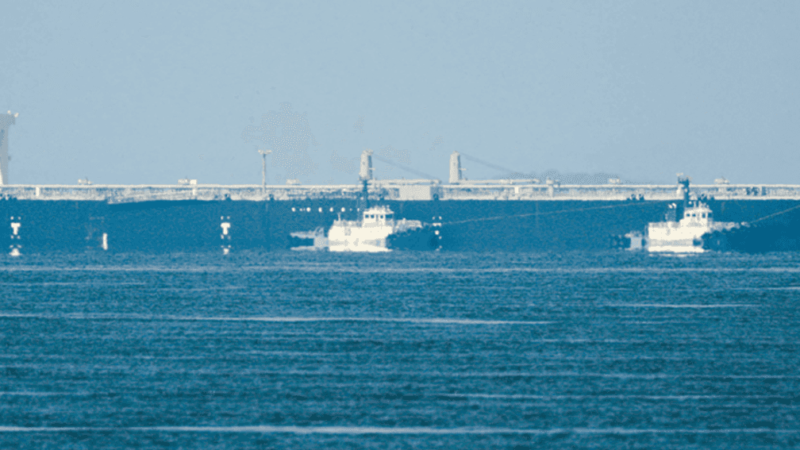
Iraq Transports Up to 150,000 Barrels of Oil Daily via Syria
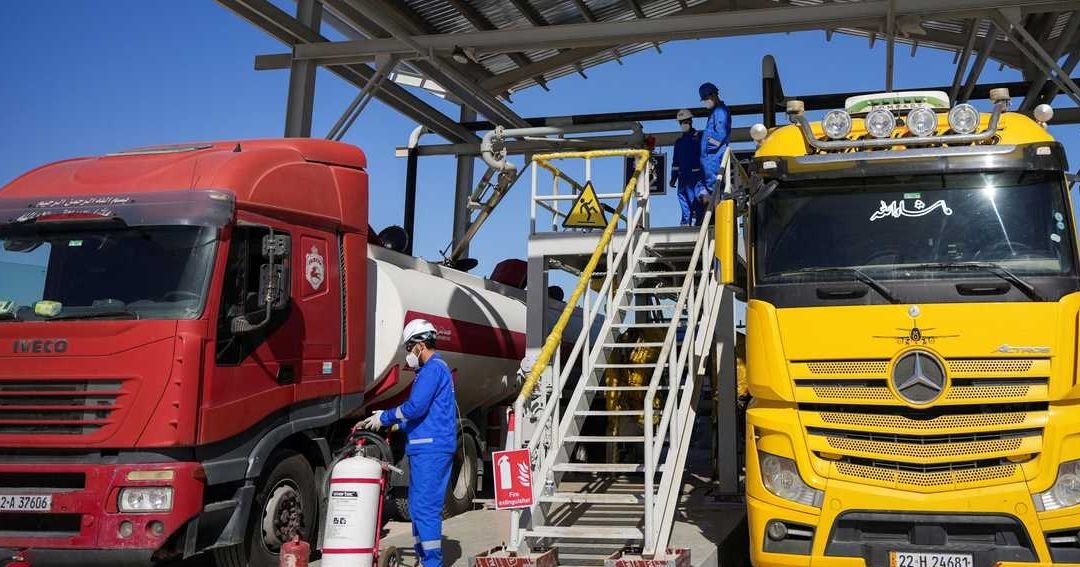
Iraq is currently facilitating the transportation of a significant volume of its crude oil production through Syrian territory, according to Basem Abdul Karim, the Director-General of the state-owned Basra Oil Company. The daily transit, which relies on a fleet of trucks, ranges between 120,000 and 150,000 barrels.
This logistical operation involves moving the raw commodity from Iraq’s southern oil fields to the Banias terminal on the Syrian coast of the Mediterranean Sea. The use of road transport for such substantial daily quantities highlights the ongoing complexities and strategic adjustments within Iraq’s energy export infrastructure.
While Iraq maintains extensive pipeline networks, the utilization of truck-based transit underscores the reliance on alternative methods to bridge the gap between southern production sites and regional export hubs. The port of Banias serves as a critical maritime gateway in this arrangement, allowing Iraqi crude to reach the Mediterranean market via Syrian transit routes.
The disclosure regarding these export volumes provides insight into the cross-border energy cooperation between the two nations, despite the various challenges facing the regional infrastructure landscape. The transportation of up to 150,000 barrels per day represents a notable contribution to the daily movement of Iraqi energy resources, impacting the broader distribution network of the country’s petroleum output.
As global energy markets continue to navigate supply chain fluctuations, the ability of Iraq to maintain consistent export flows via land and sea routes remains a key element of its national economic strategy. This current operation, as detailed by officials from the Basra Oil Company, reflects the practical measures taken to ensure the steady throughput of crude from fields in the south to the Mediterranean export terminal. The arrangement serves as a functional component of Iraq’s broader energy export capacity, utilizing Syrian territory to facilitate access to international maritime shipping lanes.