Tunisia Repatriates Over 10,000 Irregular Migrants in Ten Months
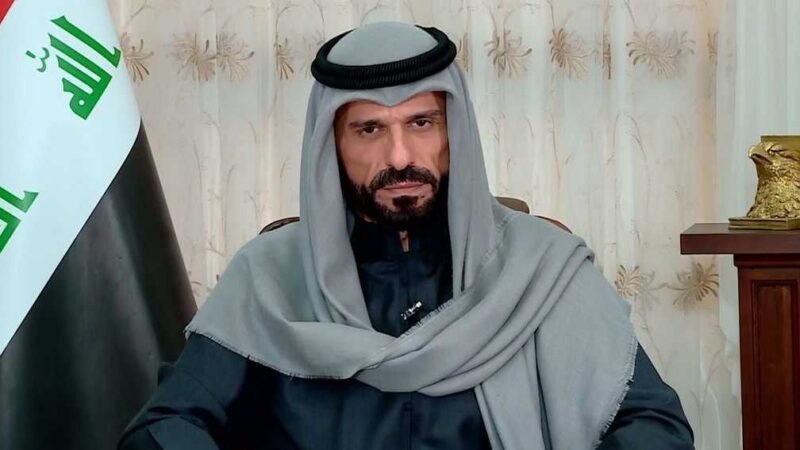
Tunisia has reported a significant uptick in its efforts to manage irregular migration, with official government figures indicating that over 10,000 individuals have been returned to their countries of origin within the first ten months of this year. The announcement was made by Tunisian Minister of Interior, Khaled Nouri, who confirmed that the repatriation process has been a focal point of the ministry’s security and migration agenda throughout 2024.
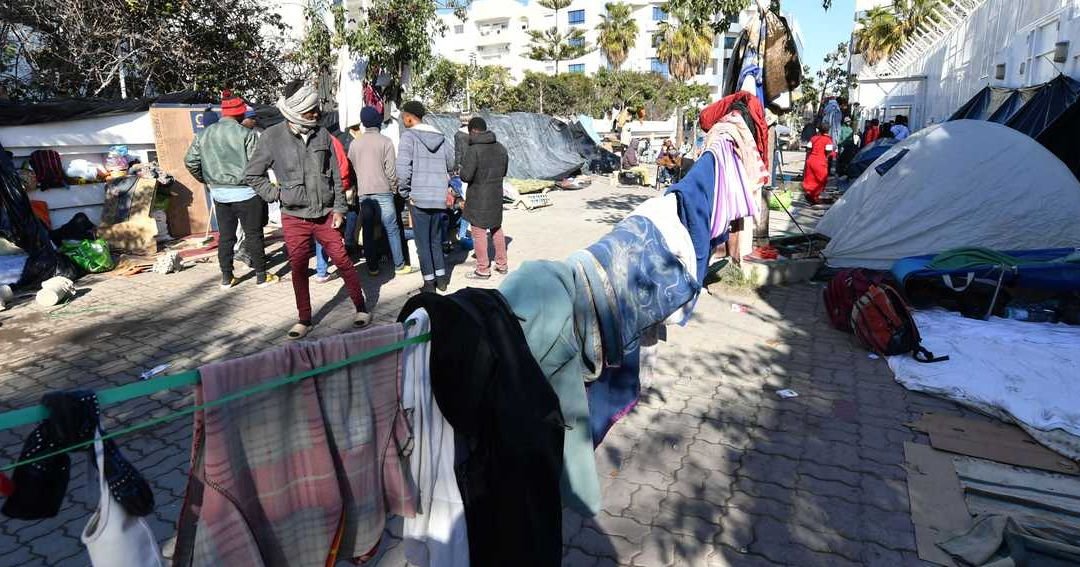
According to the data provided by the Ministry of Interior, a total of 10,254 individuals who were identified as residing in the country without valid legal status were repatriated between January 1 and October 31. The figures underscore a consistent push by Tunisian authorities to address the growing complexities surrounding irregular migration flows that have heavily impacted the North African nation in recent years.
Speaking on the government’s approach to the ongoing migration crisis, Minister Nouri noted that the operations have been carried out in accordance with national regulations and legal frameworks. The minister further highlighted that these efforts are expected to intensify in the coming period. While the government has not disclosed specific details regarding the origin of the migrants or the specific logistics of the individual return operations, the statement reflects the state’s determination to maintain oversight of its national borders and migration status within its territory.
The surge in irregular migration has presented significant administrative and security challenges for Tunisia. As a primary departure point for many attempting to reach European shores via the Mediterranean, the country has frequently found itself at the center of international discussions regarding migration management and border security. The Tunisian government has consistently signaled that it is prioritizing the regulation of residency status for those within its borders and is working to deter unauthorized entries.
These recent figures represent the latest development in a broader strategy aimed at addressing the socio-economic and security implications of irregular migration. Officials have suggested that the current pace of repatriation operations is likely to be sustained as the government seeks to manage the flow of individuals entering and residing in the country. The Ministry of Interior continues to monitor the situation, with the expectation that the number of repatriated individuals will see further growth as additional enforcement measures are implemented by security services across the country.
While the government maintains that these measures are essential for the rule of law and national security, the situation remains a complex issue that intersects with international humanitarian considerations and regional diplomatic relations. The Tunisian authorities appear set on continuing their current policy trajectory, maintaining a robust stance on the enforcement of immigration laws through the end of the year and into the future.