

Israel Concludes Ground Operation in Central Gaza
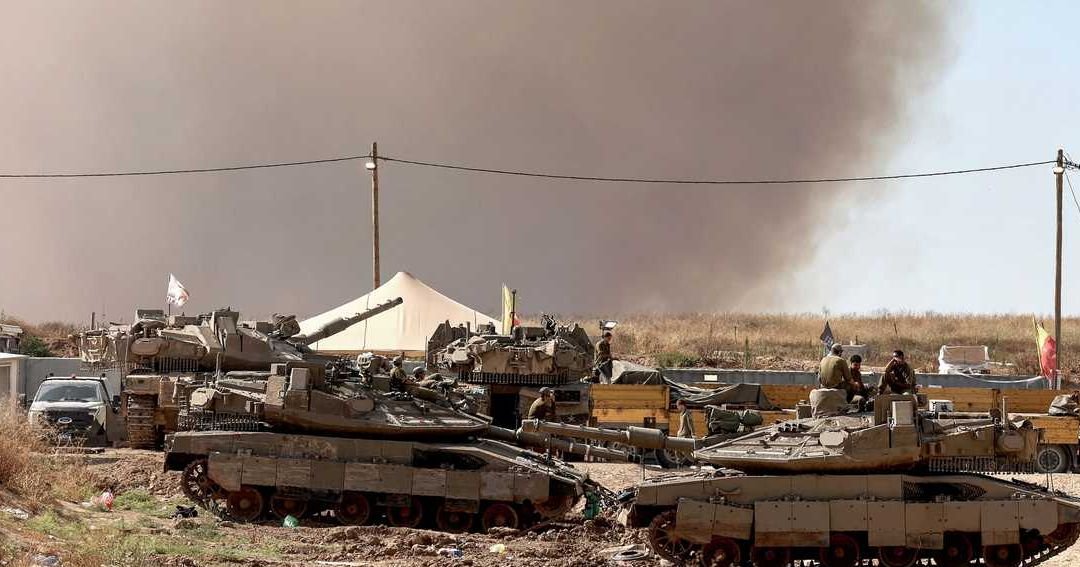
The Israeli military announced on Thursday the conclusion of a ground operation that had been launched the previous day in central Gaza. The maneuver, which took place outside the designated “Yellow Line” zone, has drawn immediate condemnation from Hamas, which accused the Israeli forces of breaching the existing ceasefire agreement.
The operation, which spanned less than 48 hours, has reignited tensions regarding the operational parameters governing the current truce. While the Israeli military maintains that its actions were necessary for security objectives, Palestinian officials in the Gaza Strip have signaled that the deployment represents a direct challenge to the de-escalation efforts currently in place. The “Yellow Line” is a critical designation in the ongoing conflict, often utilized as a reference point for humanitarian zones and operational boundaries intended to minimize civilian exposure during military movements.
Hamas issued a formal statement following the military’s withdrawal, asserting that the movement of ground troops into the central sector of the territory serves as a blatant violation of the established ceasefire terms. The group highlighted that such incursions undermine the fragile stability that international mediators have been working to maintain. Despite the intensity of the friction caused by this incident, the military operation has now officially ended, with forces reportedly repositioning away from the area.
The region continues to face significant volatility as both sides trade accusations regarding the breach of trust and the violation of agreements. The incursion into central Gaza is part of a broader, complex security environment where military maneuvers are frequently scrutinized for their impact on civilian safety and diplomatic relations. As the dust settles from this latest episode, the discourse between the involved parties remains focused on the status of the ceasefire and the implications of such localized operations on the broader security architecture of the Gaza Strip.
This incident underscores the precarious nature of the current security situation in the region, where military actions often carry heavy political weight. The immediate aftermath of the operation sees both local authorities and international observers assessing the long-term impact of these renewed hostilities on the continuity of the pause in fighting. For now, the focus shifts back to the diplomatic channels attempting to navigate these recurrent flare-ups and ensure that agreements on the ground are honored by all participating actors. The situation remains fluid, with ongoing scrutiny on how such tactical decisions influence the overall stability of the Palestinian territories and the wider security landscape in the Middle East.