


Cholera Outbreak Claims 13 Lives in Chad as Cases Climb
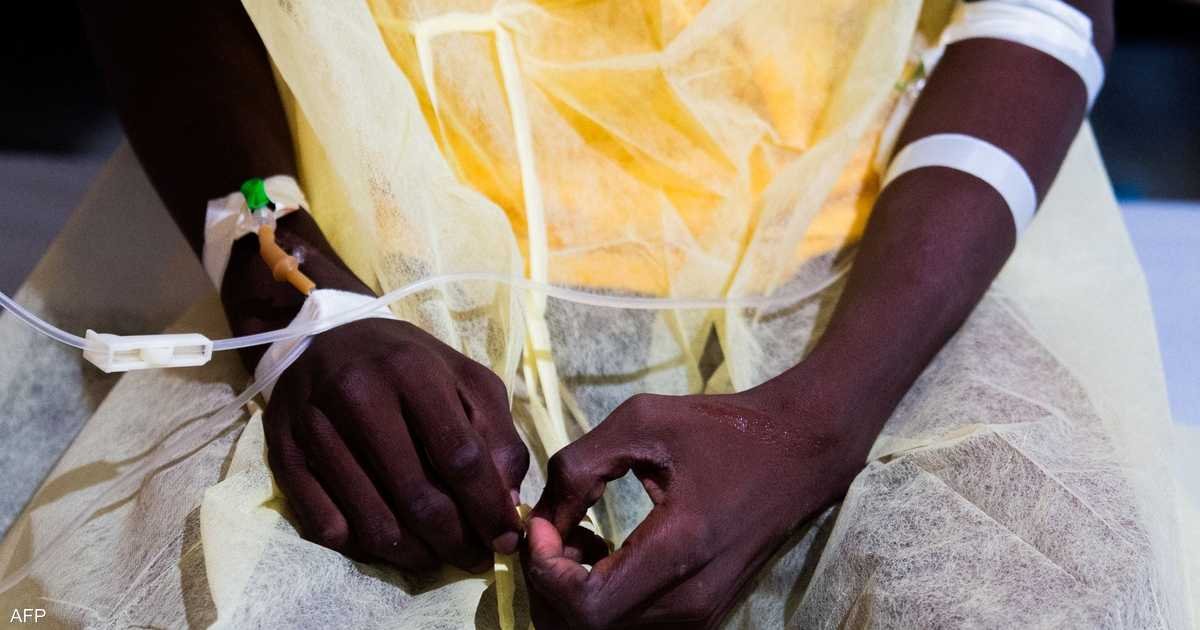
Chad is currently grappling with a concerning resurgence of cholera, with health authorities reporting a steady rise in infections and fatalities. The Chadian Ministry of Health confirmed that the death toll has reached 13, following an official declaration of the outbreak in late July. Data released by the government indicates that the number of registered cases across the country has now climbed to 239.
The outbreak presents a significant challenge to Chad’s public health infrastructure, which is already strained by wider regional instability and shifting humanitarian needs. Cholera, an acute diarrheal infection caused by the ingestion of food or water contaminated with the bacterium Vibrio cholerae, can rapidly become fatal if left untreated. The government and international humanitarian partners are currently working to contain the spread, focusing on improving water, sanitation, and hygiene (WASH) services in affected communities.
The current situation highlights the persistent vulnerability of the Sahel region to waterborne diseases. Fluctuations in seasonal weather patterns, coupled with limited access to clean water in remote or displaced populations, often exacerbate the risk of transmission. Public health officials are urging citizens to maintain strict hygiene practices and to seek medical assistance immediately upon experiencing symptoms such as severe dehydration or acute diarrhea.
While the current caseload of 239 remains within the manageability of national health response systems, the trend is being closely monitored by regional health observers. The cross-border nature of population movements in the Sahel means that localized outbreaks in one nation often necessitate heightened vigilance in neighboring countries. Chad’s neighbors are assessing their own preparedness levels to prevent the potential regionalization of the contagion.
Efforts to curb the outbreak are prioritizing early detection and rapid response measures, including the deployment of medical kits and the establishment of dedicated treatment centers in the hardest-hit areas. Health authorities are also intensifying public awareness campaigns to educate residents on preventative measures, such as the boiling of water and the proper handling of food items.
As the government continues to aggregate data from various provinces, the focus remains on preventing a larger epidemic. The Ministry of Health has signaled its intention to coordinate closely with international partners to secure additional resources, including vaccines and oral rehydration supplies, to ensure the health of the most vulnerable segments of the population. The persistence of these outbreaks remains a recurring priority for regional health agencies operating across North and Central Africa.