

Strait of Hormuz Negotiations Enter Critical Phase
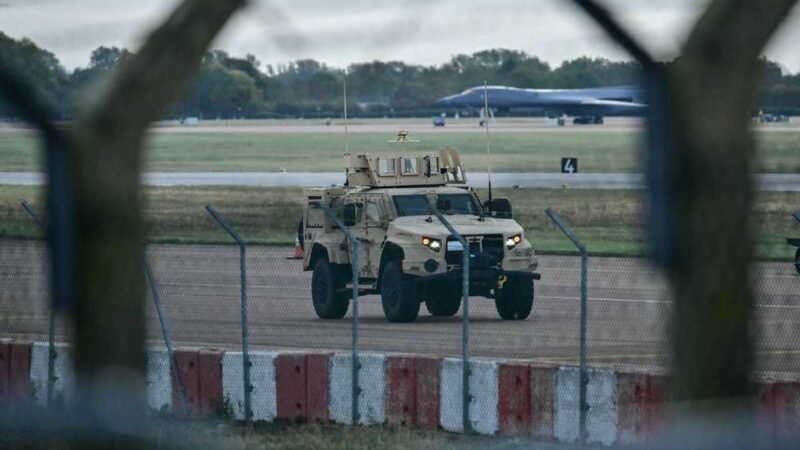
The diplomatic standoff surrounding the Strait of Hormuz has entered an exceptionally delicate phase, defined by the stark duality of Washington’s foreign policy toward Tehran. While recent rhetoric from the White House suggests that a potential agreement could be within reach, the administration continues to maintain that military action remains a viable, albeit last-resort, option to ensure the security of this vital energy chokepoint.
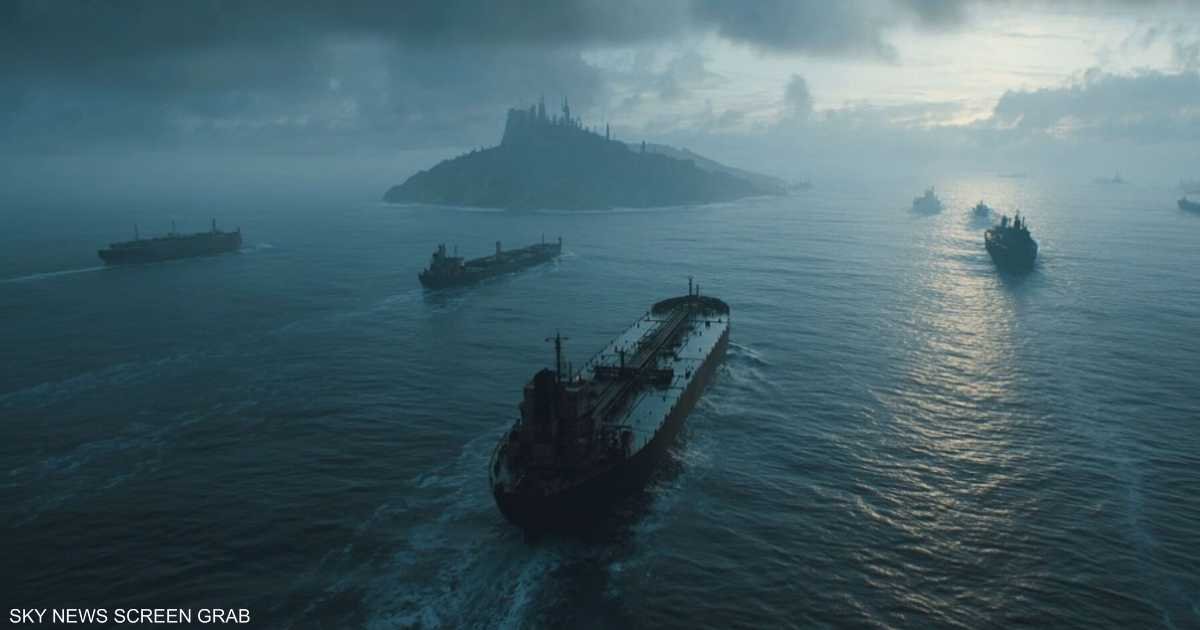
This strategic waterway, through which a significant portion of the world’s oil supply passes, has become the primary theater for the ongoing confrontation between the United States and Iran. The current diplomatic maneuvering is characterized by high-stakes signaling, where the prospect of de-escalation is consistently tempered by the specter of kinetic engagement. Analysts observe that the fluidity of the situation reflects the deep-seated mistrust that has long hampered bilateral communications, leaving regional stakeholders to navigate a landscape of extreme uncertainty.
For the United States, the objective remains twofold: preventing Iranian regional hegemony and securing the unhindered flow of international commerce. By balancing the possibility of a negotiated settlement against a credible military deterrent, Washington aims to compel Tehran to curb its provocative activities, which the U.S. and its regional allies characterize as destabilizing. Conversely, the Iranian leadership has frequently signaled that it views U.S. pressure as an existential threat, often responding to economic and diplomatic isolation by asserting its influence over the maritime corridor.
The significance of these negotiations cannot be overstated. Should a breakthrough occur, it would mark a major turning point in Middle Eastern security architecture, potentially easing the risk of miscalculation that has repeatedly brought the region to the brink of conflict. However, the reliance on military readiness as a primary tool of statecraft suggests that the margin for error remains thin. Any disruption to the status quo in the Strait of Hormuz would have immediate and severe global economic consequences, particularly regarding energy pricing and maritime insurance costs.
As the negotiations proceed, the international community remains focused on whether the dual-track approach—combining intensive diplomacy with the threat of force—can yield a sustainable framework for maritime security. While the desire for a diplomatic resolution appears evident, the core disagreements regarding nuclear oversight and regional security posture continue to loom large over the talks. For now, the region remains in a state of high alert, with both sides weighing the costs of continued confrontation against the complexities of a negotiated peace.