

Middle East Space Ambitions Grow Following 100-Day Isolation Study
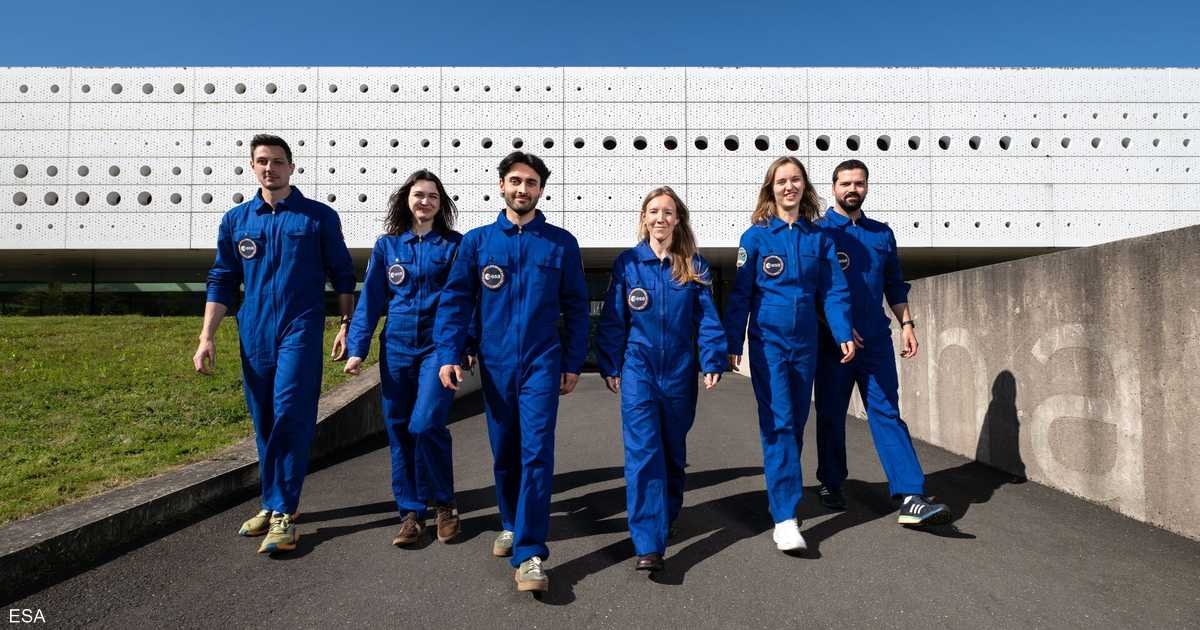
A six-member multinational crew has successfully concluded a rigorous 100-day isolation study, emerging from a simulated confined environment designed to mirror the extreme conditions of deep-space missions. This milestone provides critical data for the future of space exploration, including upcoming endeavors to the Moon and Mars—arenas where countries in the Middle East and North Africa are increasingly establishing a strategic presence.
The study, which confined participants to a specialized facility lit exclusively by artificial light, served as a psychological and physiological proving ground. By isolating the crew from the outside world and restricting their movement, researchers aimed to observe how humans maintain performance and group cohesion under the stress of long-duration space travel. These insights are essential for international space agencies that are currently collaborating with regional players in the Middle East, including the United Arab Emirates and Saudi Arabia, both of which have recently accelerated their national space programs.
The UAE, through the Mohammed Bin Rashid Space Centre, has emerged as a leader in regional space exploration, having successfully executed lunar and Martian missions. For these regional powers, understanding the limitations of human endurance is a matter of strategic national interest. As the global space race moves toward sustainable lunar bases and eventual human landings on Mars, the data gathered from isolation experiments serves as a blueprint for the rigorous training required for future Arab astronauts participating in international joint missions.
Beyond the scientific findings, this 100-day experiment highlights the growing necessity for international synergy. Space exploration has evolved from a Cold War-era competition into a complex, collaborative enterprise. MENA nations, which have historically invested heavily in satellite technology and orbital research, are now positioning themselves as essential partners in the global aerospace supply chain and mission planning. The physiological data obtained from this study will likely be integrated into training protocols for upcoming deep-space missions, potentially shaping how astronauts from around the world prepare for the psychological toll of long-term isolation.
As the international community sets its sights on the moon, the technical and logistical challenges—such as recycling life support, managing space-bound food security, and maintaining crew mental health—remain the primary hurdles. The completion of this study signals a transition toward more intensive preparatory phases for long-duration space flight. For the Middle East, this represents not just a scientific achievement but a validation of the region’s commitment to remaining at the forefront of the technological and exploratory frontiers that define the 21st century.