

Archaeologists Uncover Ancient Necropolis and Settlement in Nile Delta
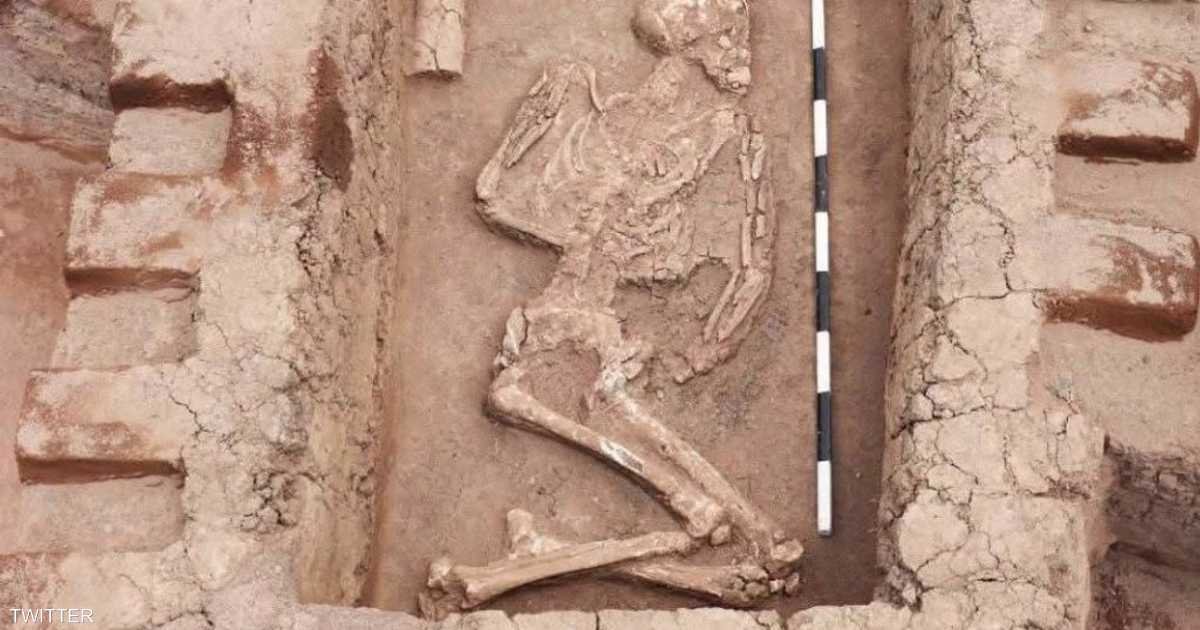
Archaeologists working under the auspices of Egypt’s Supreme Council of Antiquities have unearthed significant remnants of an ancient civilization at the Tell el-Khuljan site in the Dakahlia Governorate. The discovery provides a rare, layered look at Egyptian history, as findings span several millennia of human occupation in the Nile Delta region.
The expedition uncovered a sprawling necropolis that highlights the continuity of burial practices in the area. According to preliminary findings, the site’s usage dates back to the Predynastic period—the era preceding the unification of Egypt under the first pharaonic dynasties—and persists through the subsequent historical phases, including the Greco-Roman period. This extensive timeline offers researchers a unique opportunity to study the evolution of burial rites and social structures over thousands of years within a single geographical context.
In addition to the funerary structures, the team identified the remains of a residential area dating back to the Second Intermediate Period. This era, which saw the Delta region under the influence of the Hyksos, remains a critical subject of study for historians seeking to understand the socio-political dynamics and migration patterns that defined Ancient Egypt during times of foreign influence and internal political fragmentation.
The findings at Tell el-Khuljan are part of a broader, ongoing national initiative by the Egyptian Ministry of Tourism and Antiquities to survey and excavate key sites across the Nile Delta. While much of Egypt’s most famous archaeological heritage is located in Upper Egypt, such as Luxor and Aswan, the Delta region is increasingly recognized as a vital repository of the country’s pre-dynastic and transition-era history. Excavations in the Delta are often more challenging due to the higher water table and the density of modern agricultural activity; however, they are considered essential for reconstructing a complete picture of the development of early Egyptian society.
Experts suggest that the presence of both a long-standing necropolis and a domestic settlement implies that Tell el-Khuljan served as an important hub for trade and local administration during its peak. The artifacts recovered from the site, which include pottery, stone tools, and burial offerings, are expected to provide further insights into the daily lives, economic habits, and technological capabilities of the communities that inhabited the Delta centuries ago.
The Ministry of Tourism and Antiquities continues to prioritize these excavations as part of its strategy to promote cultural tourism and preserve Egypt’s national identity. By cataloging these remains, researchers hope to better understand how ancient populations adapted to the unique environmental conditions of the Nile Delta, a region that served as the northern gateway for trade and cultural exchange between Africa and the Mediterranean world.