

CENTCOM Chief Visits Israel for Strategic Talks on Gaza and Iran
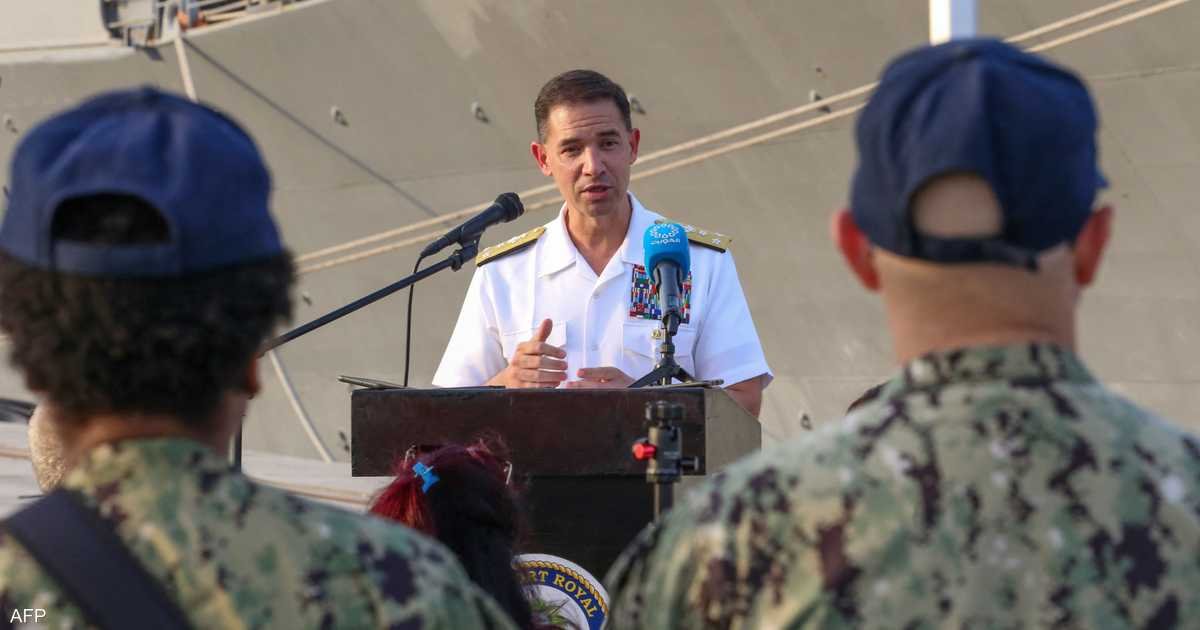
The commander of the United States Central Command (CENTCOM), General Michael Erik Kurilla, arrived in Israel on Saturday for a series of high-level meetings with the country’s political and security leadership. The visit underscores the ongoing coordination between the United States and Israel regarding the evolving security challenges across the Middle East, with the situations in Gaza and Iran reportedly topping the agenda.
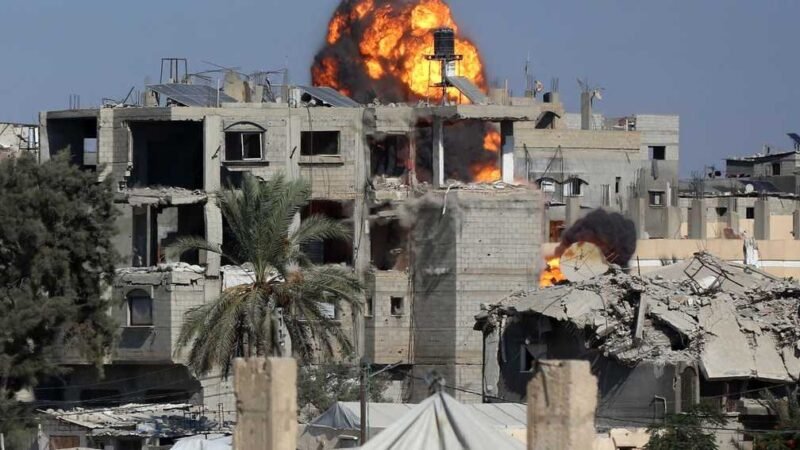
According to official reports, General Kurilla’s trip is intended to facilitate direct discussions on regional stability, defense cooperation, and strategic threat assessments. As head of CENTCOM, which oversees American military operations across the Middle East, including the Levant and the Gulf, his visit comes at a time of heightened regional volatility. The dialogue between the American military official and his Israeli counterparts is expected to focus on managing the operational complexities of the war in Gaza, as well as addressing broader regional security concerns, specifically those involving the Iranian government and its regional influence.
While details regarding the specific itinerary have not been fully disclosed, such visits typically involve discussions on intelligence sharing, military readiness, and the coordination of defense posture in light of potential escalations. The focus on Iran suggests a deepening emphasis on the interconnected nature of regional security, where local conflicts are increasingly viewed through the lens of wider geopolitical dynamics. The United States maintains a significant military presence in the region, and its alliance with Israel remains a central pillar of its regional strategy, particularly concerning deterrence and the monitoring of regional actors.
General Kurilla’s presence in Israel reflects a long-standing pattern of high-level military communication between the two nations, aimed at ensuring that both Washington and Tel Aviv are aligned on their strategic objectives. The inclusion of Iran in the discourse highlights Washington’s concern over potential spillover effects and the broader threat landscape currently impacting the region. The security talks arrive as both nations continue to navigate a delicate period marked by ongoing humanitarian and military crises, with neither party providing immediate specifics on potential shifts in policy or tactical deployment following these deliberations.
As the situation in the Middle East remains fluid, the meetings are being interpreted by regional observers as a necessary step in maintaining a cohesive security architecture in the face of multiple, overlapping threats. The discussions are expected to conclude with a reinforced understanding of the shared priorities that define the current US-Israel security relationship, particularly as both nations manage the complex political and military dimensions of the ongoing regional strife.