

Russian Strike on Kyiv Triggers Renewed Global Security Concerns
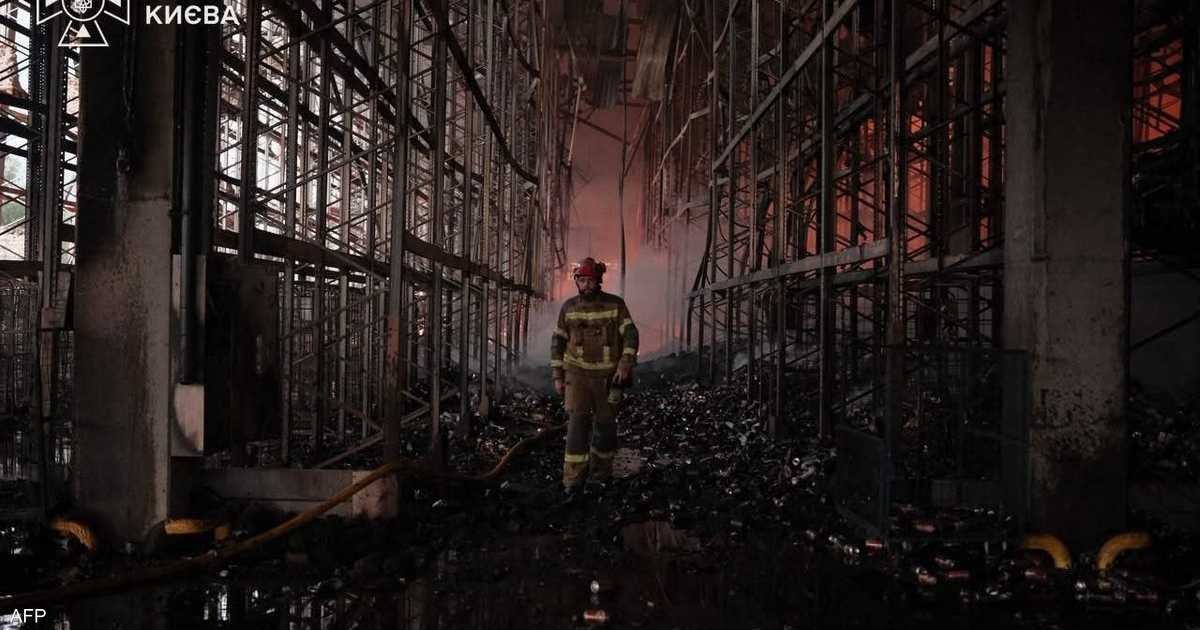
A significant overnight aerial assault by Russian forces against Kyiv has resulted in the deaths of at least three individuals, including a child, local officials reported on Saturday. The attack marks another escalation in the protracted conflict, which continues to exert substantial influence on global geopolitical dynamics, including those within the Middle East and North Africa (MENA) region.
The strike, which utilized a combination of drones and missiles, hit residential areas of the Ukrainian capital, causing widespread damage and civilian casualties. Emergency services spent the early hours of Saturday navigating the debris to rescue survivors and secure the affected sites. While the tactical goal of the Russian offensive remains focused on Ukrainian infrastructure, the persistence and intensity of these attacks have broad implications for the international security architecture.
The conflict between Russia and Ukraine has consistently intersected with the interests of MENA nations. Countries across the region have faced complex diplomatic challenges, balancing their relationships with Moscow—a key player in regional security and energy markets—and Western allies. The continued escalation of hostilities complicates regional efforts to mitigate the spillover effects of the war, particularly concerning food security and energy price volatility.
For many MENA nations, the war serves as a barometer for global stability. The disruption of agricultural exports from the Black Sea region, often facilitated by fragile humanitarian corridors, remains a pressing concern for states heavily dependent on grain imports. The latest fatalities in Kyiv highlight the volatility of the situation and the difficulty of reaching a negotiated settlement, an outcome that many Middle Eastern mediators have sought to encourage to stabilize global supply chains.
Furthermore, the ongoing intensity of the conflict impacts the strategic calculations of regional powers. As Russia continues its military operations, the involvement of various actors in the defense of Ukraine has prompted discussions about regional alignment and the future of military cooperation. The humanitarian cost, now underscored by the loss of civilian lives, continues to place diplomatic pressure on regional governments to take firmer stances or accelerate mediation efforts.
As the situation in Kyiv stabilizes following the latest assault, the international community continues to monitor the impact of these strikes on broader diplomatic efforts. The tragedy, which claimed the lives of a child and two adults, serves as a stark reminder of the human cost of the conflict and the imperative for de-escalation. For the MENA region, which is deeply integrated into the global economic system, the ongoing violence in Eastern Europe remains a critical factor in shaping future security and economic stability policies.