


US Tightens Travel Restrictions Over Ebola Concerns in Sudan
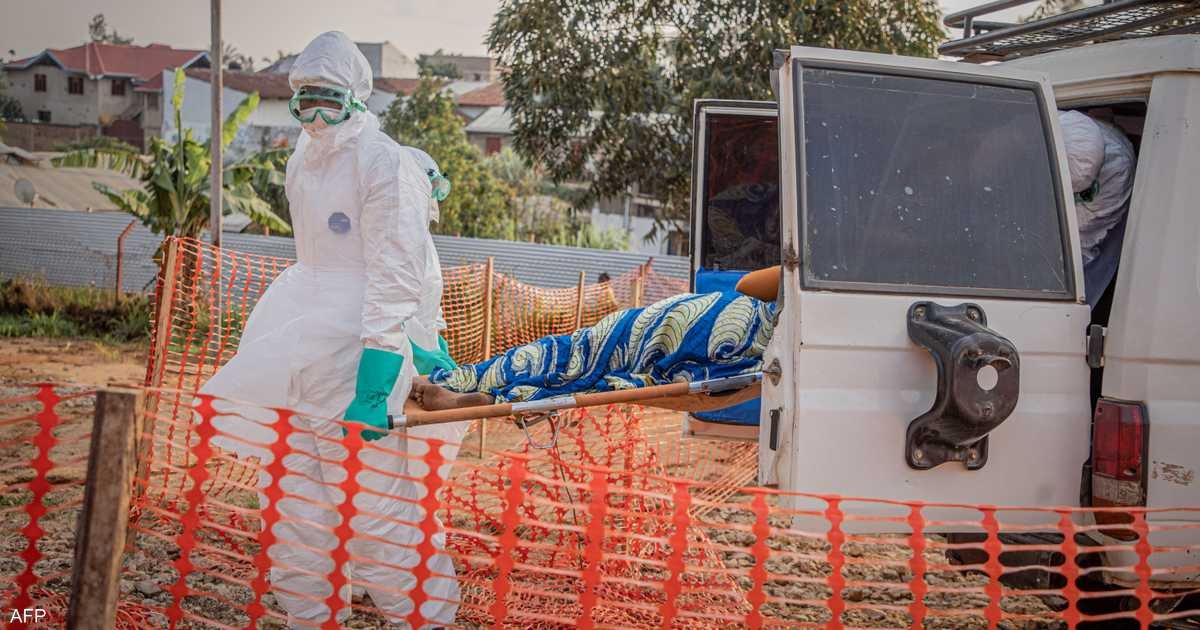
The United States government has announced the implementation of temporary, stringent travel restrictions targeting individuals arriving from several African nations, including Sudan, as part of a broader public health strategy to contain the threat of the Ebola virus. This policy shift reflects intensified global concern regarding the potential for transcontinental transmission of the viral hemorrhagic fever.
The updated security and health protocols specifically target travelers who have recently visited regions identified as having active or high-risk Ebola outbreaks. By mandating stricter screening processes and controlled entry points, Washington aims to monitor the health status of incoming passengers from these specific zones, ensuring that any individual showing signs of infection is identified and isolated before they can circulate within the broader population.
Sudan’s inclusion in these measures highlights the interconnected nature of modern travel and international health security. While the restrictions are framed as temporary, they pose immediate implications for diplomatic and humanitarian travel between Sudan and the United States. Khartoum, which continues to navigate a complex internal security and political landscape, now faces an additional layer of logistical complexity in its international engagement efforts.
The decision to prioritize travel oversight comes amid growing apprehension about the portability of regional health crises. For many nations in North Africa and the Sahel, the stability of public health systems is viewed as a vital component of national security. The U.S. intervention serves as a preemptive measure to avoid the logistical and economic strains that major infectious disease outbreaks can impose on international commerce and diplomatic ties.
Public health experts note that such measures are standard procedure when dealing with highly contagious and lethal pathogens. However, the move also underscores the strategic necessity for countries like Sudan to maintain transparent reporting mechanisms and robust internal health surveillance. The U.S. government maintains that these protocols are not intended as punitive measures but as essential safeguards to protect global health networks, which remain highly vulnerable to the rapid spread of viral agents in an era of high-frequency international air travel.
Regional observers suggest that while these travel restrictions may be limited in scope, they serve as a reminder of the fragility of the regional health infrastructure. The collaboration between the United States and affected nations will be critical in managing the current situation and preventing the long-term disruption of transit corridors that are essential for the movement of aid, diplomats, and international personnel currently stationed throughout North and East Africa.
As the situation evolves, the U.S. Department of State and the Centers for Disease Control and Prevention are expected to continue monitoring the epidemiological data from the designated zones. Adjustments to these travel requirements will remain contingent upon the success of containment efforts in Sudan and neighboring nations, with Washington signaling a commitment to recalibrating its policy as the local risk environment stabilizes.